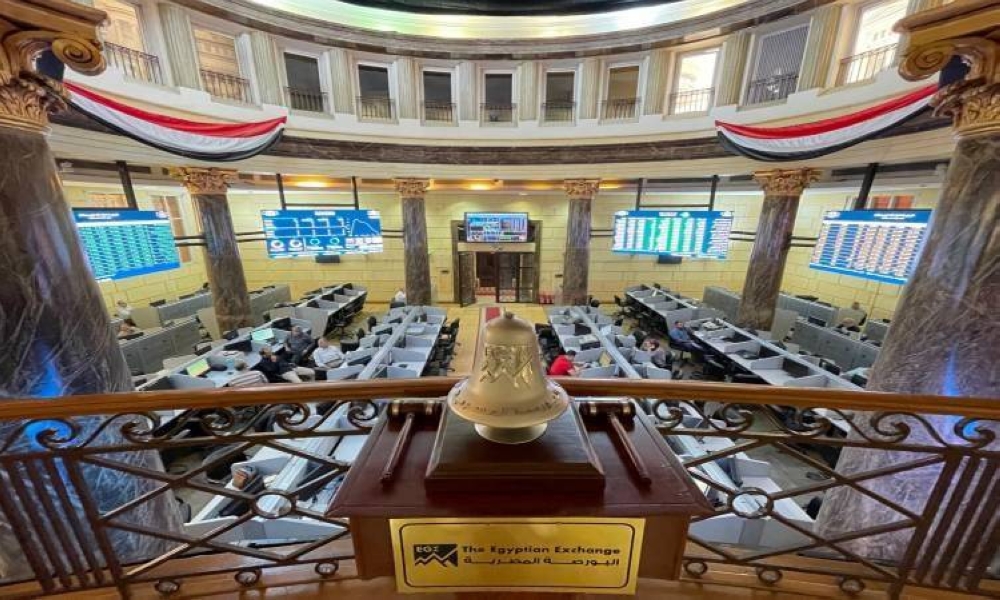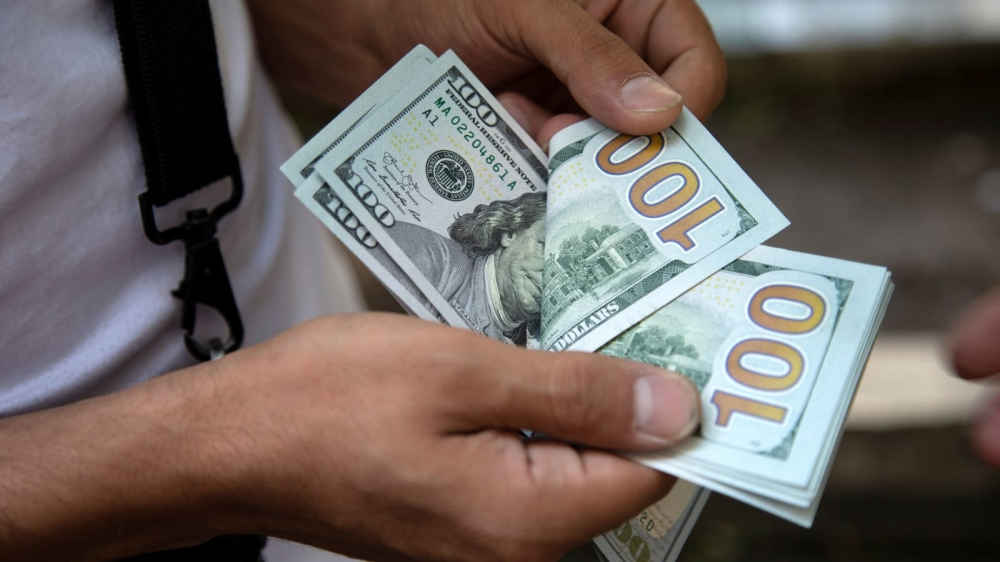
The Egyptian economic landscape is undergoing continuous transformations, with the US dollar its notable rise against the Egyptian pound in Egyptian banks during trading on Thursday. The American currency steadily approached the 53-pound mark by the close of trading in both public and private banking institutions. This shift reflects the dynamics of supply and demand in the local market and comes at a time when financial circles are anticipating greater financial stability amidst global challenges.
Economic context and history of exchange rate liberalization
Historically, the Egyptian economy has undergone several pivotal moments regarding foreign exchange policies. In early 2024, the Central Bank of Egypt took a decisive step towards liberalizing the exchange rate and allowing market mechanisms to determine the value of the Egyptian pound. This move aimed to eliminate the parallel market (black market), which had negatively impacted foreign currency inflows for years. This strategic step was supported by extensive agreements with the International Monetary Fund and significant foreign investment inflows, contributing to macroeconomic restructuring and bolstering the country's foreign currency reserves. The current rise in exchange rates is part of the natural fluctuations expected under the flexible exchange rate system adopted by the Central Bank to ensure the sustainability of dollar resources and meet market needs.
Dollar exchange rate updates in Egyptian banks
Exchange rates varied slightly between different financial institutions, and the details of today's rates are as follows:
- The Central Bank of Egypt: The average exchange rate recorded 52.52 Egyptian pounds for buying and 52.66 Egyptian pounds for selling.
- National Bank of Egypt: The dollar was priced at 52.75 Egyptian pounds for buying and 52.85 Egyptian pounds for selling.
- Bank of Egypt: The price stabilized at 52.74 Egyptian pounds for buying and 52.84 Egyptian pounds for selling.
- Bank of Alexandria: The dollar recorded 52.75 Egyptian pounds for buying and 52.85 Egyptian pounds for selling.
- Suez Canal Bank: The price reached 52.78 Egyptian pounds for buying and 52.88 Egyptian pounds for selling.
- Commercial International Bank (CIB): The dollar reached 52.73 Egyptian pounds for buying and 52.83 Egyptian pounds for selling.
- Faisal Islamic Bank: The price reached 52.75 pounds for buying, and 52.85 pounds for selling.
- Abu Dhabi Islamic Bank: Recorded its highest rates relatively at 52.77 pounds for buying and 52.87 pounds for selling.
- National Bank of Kuwait (NBK): Stable at 52.75 Egyptian pounds for buying and 52.85 Egyptian pounds for selling.
- Qatar National Bank (QNB): Recorded 52.74 Egyptian pounds for buying and 52.84 Egyptian pounds for selling.
Expected effects of fluctuations in the greenback
This exchange rate movement has far-reaching implications and effects on multiple levels. Domestically, the rising value of the dollar directly impacts the cost of imports, which could be reflected in inflation rates and the prices of basic commodities in Egyptian markets. However, it simultaneously enhances the value of remittances from Egyptians working abroad when converted to local currency, which is one of the country's most important sources of national income.
At the regional and international levels, Egypt's commitment to a flexible exchange rate sends strong reassuring messages to foreign investors and international financial institutions, enhancing the attractiveness of the Egyptian market for both direct and indirect investments. These developments are also closely influenced by global monetary policies, particularly the US Federal Reserve's interest rate decisions, which impact capital flows across emerging markets.