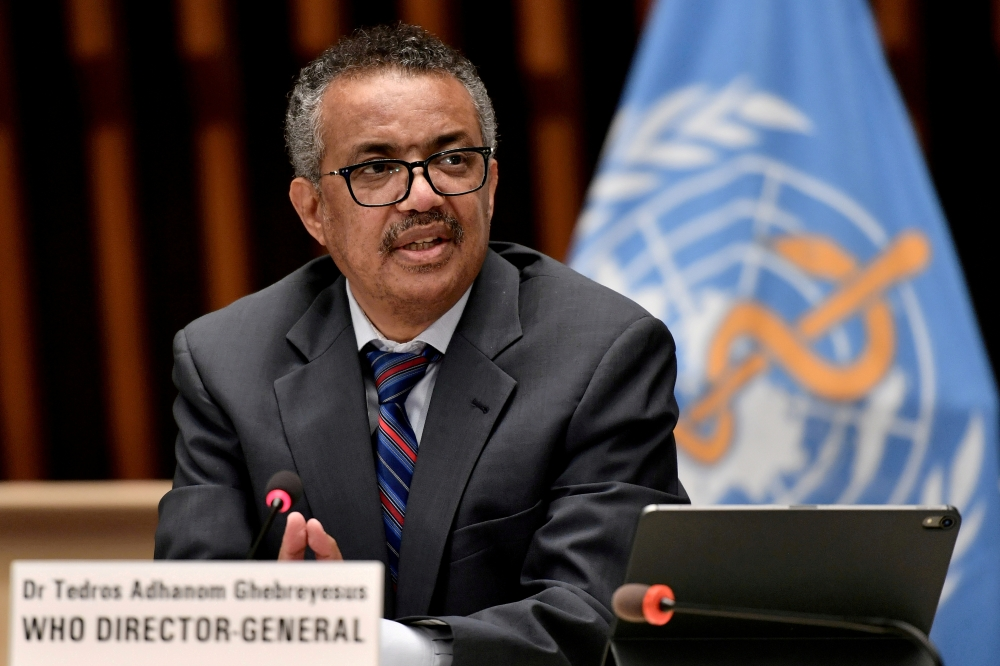
The Director-General of the World Health Organization, Tedros Adhanom Ghebreyesus, issued strong warnings about the repercussions of the Trump administration's decision to withdraw from the organization, describing the move as an existential threat not only to the United States but to the entire world. The UN official expressed his deep hope that Washington would reconsider and reverse this decision, which comes at a critical time when the world is facing growing health challenges.
Background to the decision and its sensitive timing
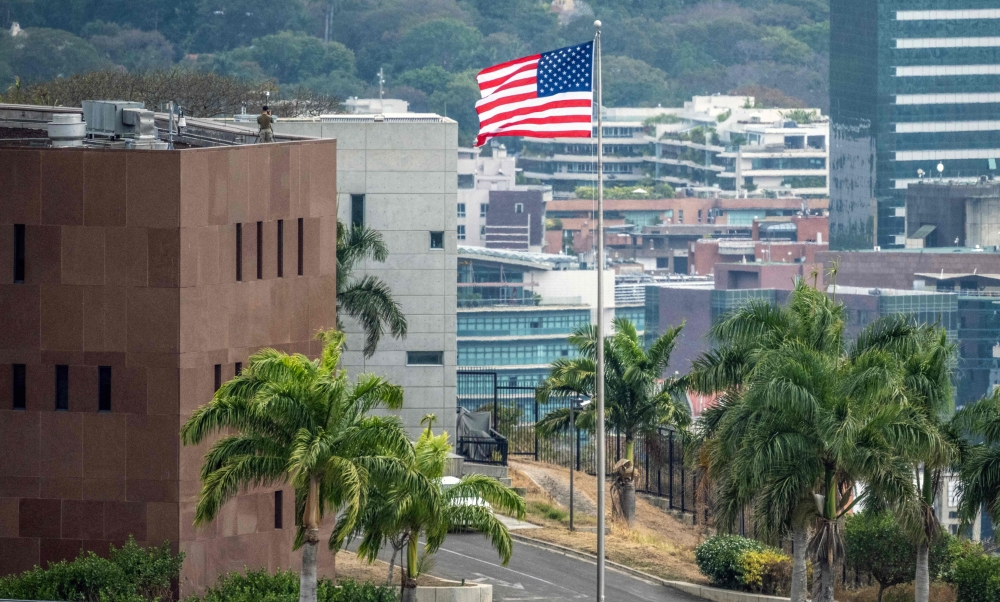
The crisis stems from the executive order signed by US President Donald Trump just hours after returning to the White House on January 20, 2025, terminating his country's membership in the international organization. With the decision set to officially take effect next week, following the expiration of the one-year legal deadline, Tedros Adhanom Ghebreyesus told reporters at the organization's headquarters in Geneva that this withdrawal represents "a strategic loss for the United States and a significant loss for the international community." He emphasized that isolation will not bring security, but will instead make the United States and the world "less safe" in the face of cross-border pandemics.
Legal and financial dimensions of withdrawal
Procedurally, Steve Salomon, the organization's chief legal advisor, revealed the complexities surrounding the actual withdrawal date. He explained that while the organization's constitution does not contain an explicit withdrawal clause, the United States had stipulated specific conditions upon joining in 1948 that allowed it to do so. These conditions required one year's prior notice, which was given, in addition to another crucial requirement: the settlement of all outstanding financial obligations.
In this context, Salomon pointed to a legal obstacle represented by Washington's current failure to pay its subscriptions for 2024 and 2025. He stressed that member states would have to consider whether Washington met the conditions for withdrawal in light of these financial arrears, without specifying the exact value of the amounts required.
The impact of American absence on the global health system
The impact of the US withdrawal extends far beyond the political sphere, striking at the very heart of global health infrastructure. The United States has historically been the WHO's largest donor and an indispensable technical partner in areas such as epidemiological surveillance and the fight against intractable diseases. Experts fear this vacuum will weaken the organization's ability to respond to health emergencies and disrupt vital programs like polio eradication and malaria control, leaving a funding and logistical gap that will be difficult to fill.
In closing, Tedros Adhanom stressed that his call for the United States to rejoin was not merely a request for financial support, saying, "When I call on Washington to re-engage, I am not doing so solely for money." He added, reaffirming the organization's core principle: "What matters most is international solidarity and cooperation, and our shared preparedness to face any future contingencies against a common enemy that knows no borders, such as COVID-19 or any future pandemics.".