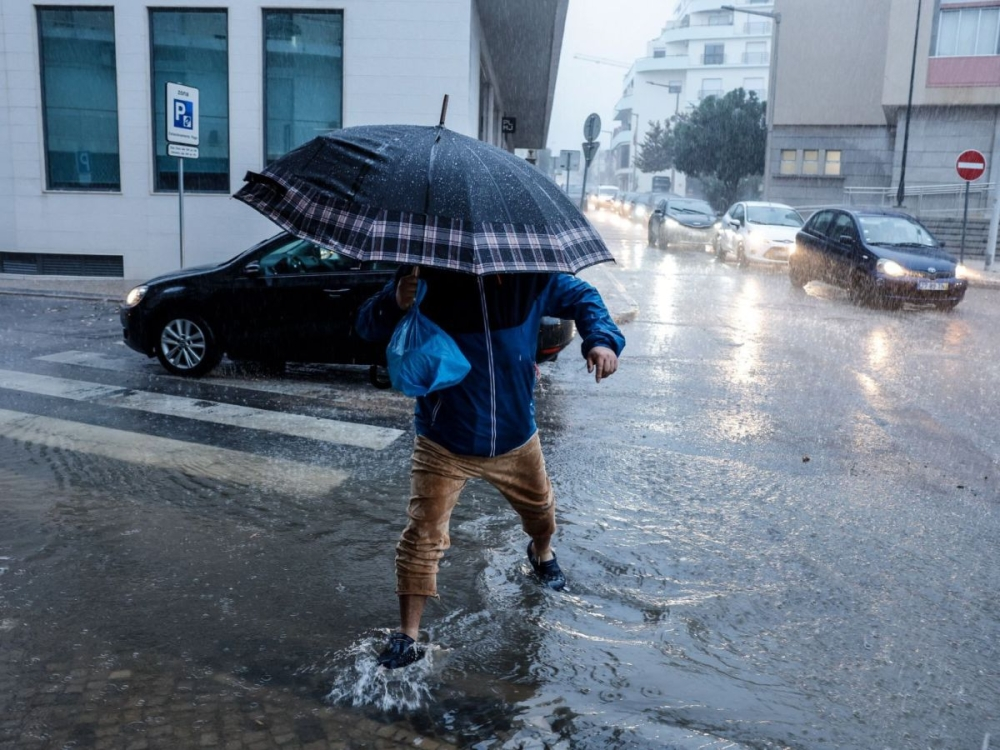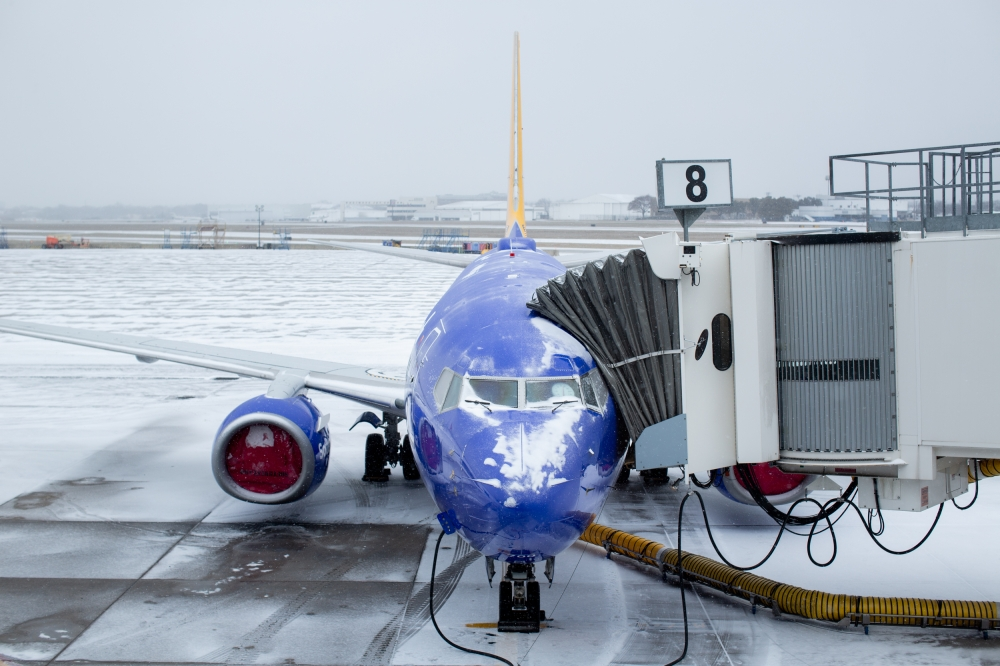
A violent winter storm swept across large areas of the United States, leaving more than 730,000 homes and businesses without power and causing widespread travel chaos, with conditions expected to worsen as the storm moved eastward toward major population centers such as New York, Philadelphia, and Washington.
Southern states, particularly Mississippi, Louisiana, and Texas, were among the hardest hit in the storm's initial phase, with high winds, heavy snow, and ice downing power lines and trees, leaving hundreds of thousands without electricity and freezing temperatures. Authorities warned that nearly 190 million people—more than half the nation's population—were in the storm's path and faced potential disruptions, making it one of the worst winter storms to hit the country in years.
Background on winter storms and their impact on infrastructure
Winter storms are a frequent weather phenomenon in the United States, particularly in the Northeast and Midwest. However, the intensity and geographic reach of this storm, stretching nearly 3,000 kilometers from New Mexico in the south to Maine in the north, place immense strain on America's infrastructure. Historically, extreme weather events have exposed significant weaknesses in the U.S. power grid, much of which dates back decades. The grid relies heavily on overhead transmission lines that are vulnerable to damage from ice buildup or strong winds, which explains why widespread power outages occur during such severe weather conditions.
The importance and expected effects of the storm
The effects of this storm extend far beyond power outages. Locally and regionally, the weather has brought transportation to a near standstill, with thousands of flights canceled at major airports, disrupting the travel plans of millions. Highways have become extremely dangerous, prompting authorities to advise residents to stay home. Economically, this situation is leading to business and school closures, disrupted supply chains, and significant costs for emergency operations and damage repairs.
In response to the severity of the situation, several states declared a state of emergency, a measure that allows for the faster mobilization of government resources, including the National Guard, and the request for federal assistance. The National Weather Service said the storm would bring a dangerous mix of heavy snow, freezing rain, and ice, increasing the risk of power outages and accidents. The greatest impact, however, remains the threat to public safety, as residents without heating face the risk of hypothermia, while the risk of carbon monoxide poisoning increases due to the unsafe use of generators.