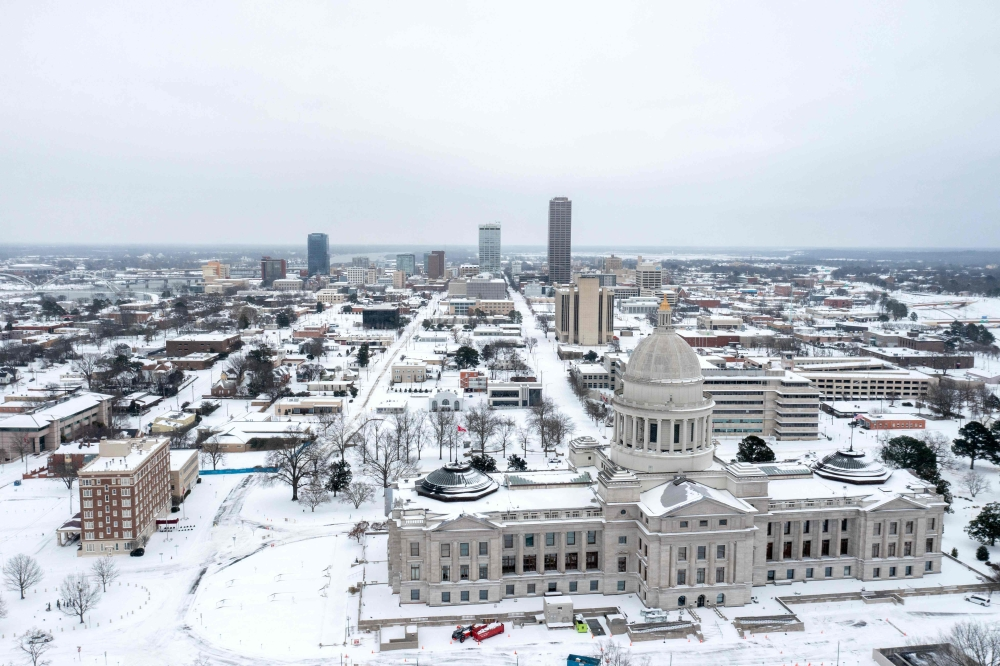
A severe winter storm struck large swaths of the United States, from the South to the Northeast, causing widespread chaos in the aviation sector, with more than 11,400 flights canceled or delayed. This extensive disruption not only affected domestic travelers but also sent ripples through the global aviation network, highlighting the vulnerability of critical infrastructure to extreme weather events.
Direct impact on major airports
The storm's greatest impact was concentrated on major airports along the East Coast. In New York, LaGuardia Airport saw 91% of its flights canceled, totaling 436 flights. John F. Kennedy International Airport fared no better, with 466 flights canceled, representing 80% of its schedule. In Philadelphia, the numbers were even more severe, with a 94% cancellation rate affecting 326 flights. In Washington, D.C., airlines made the sweeping decision to cancel all 421 flights departing from Ronald Reagan Washington National Airport as a precautionary measure to ensure the safety of passengers and crew.
The general context of winter storms in America
Winter storms, sometimes called "nor'easters" when they affect the northeastern coast, are a recurring weather phenomenon in the United States. These powerful storms form when cold air from the Arctic meets warm, moist air from the Gulf of Mexico or the Atlantic Ocean. This collision results in heavy snowfall, freezing rain, and strong winds, creating extremely hazardous conditions for aviation, as visibility is reduced and ice forms on aircraft wings and runways, making takeoff and landing impossible.
Importance and economic and logistical impacts
The impact of canceling such a massive number of flights goes far beyond mere inconvenience for travelers. Economically, airlines are incurring substantial financial losses, estimated in the millions of dollars, due to lost revenue, rebooking costs, accommodation for stranded passengers, and salaries for idle crews. Airports are also negatively affected, losing landing fees and service charges. More broadly, this paralysis of air traffic disrupts supply chains that rely on express air freight, impacting business and leisure travel and leaving a negative mark on the national economy. Internationally, the impact is cascading, as delays or cancellations at a major hub like John F. Kennedy International Airport inevitably affect connecting flight schedules in Europe, Asia, and around the world.