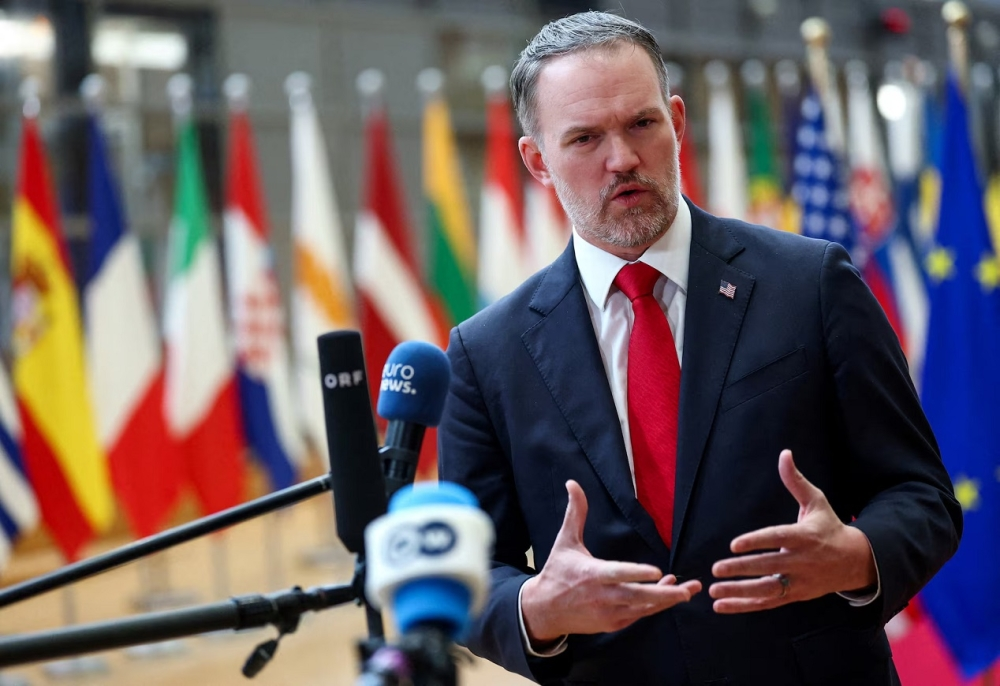
حذرت الولايات المتحدة، على لسان ممثلها التجاري جيميسون جرير، الدول الأوروبية من العواقب الوخيمة التي قد تترتب على تفعيل أداة “مكافحة الإكراه” التجارية، وذلك ردًا على الاهتمام الذي أبداه الرئيس الأمريكي السابق دونالد ترامب بضم إقليم جرينلاند الدنماركي. وأكد جرير خلال تصريحاته في منتدى دافوس الاقتصادي أن اتخاذ خطوة أوروبية مماثلة سيكون “غير حكيم”، مشددًا على أن لكل دولة الحق في التصرف بما يخدم مصالحها الوطنية، وأن لمثل هذه القرارات “عواقب طبيعية”.
خلفية النزاع وأهمية جرينلاند الاستراتيجية
تعود جذور هذا التوتر إلى إعلان الرئيس ترامب اهتمامه بشراء جرينلاند، أكبر جزيرة في العالم، والتي تتمتع بحكم ذاتي ضمن مملكة الدنمارك. هذا الاهتمام ليس جديدًا بالكامل، فقد سبق للرئيس الأمريكي هاري ترومان أن عرض شراء الجزيرة عام 1946 مقابل 100 مليون دولار. تكمن الأهمية الاستراتيجية لجرينلاند في موقعها الجغرافي الحيوي في القطب الشمالي، والذي يمثل بوابة لممرات ملاحية جديدة تظهر مع ذوبان الجليد، بالإضافة إلى احتوائها على موارد طبيعية هائلة من المعادن النادرة والنفط والغاز، فضلاً عن أهميتها العسكرية حيث تستضيف قاعدة ثول الجوية الأمريكية.
الأداة الأوروبية لمكافحة الإكراه
جاء التحذير الأمريكي في سياق دعوة الرئيس الفرنسي إيمانويل ماكرون للاتحاد الأوروبي باستخدام “أداة مكافحة الإكراه”، وهي آلية دفاعية تهدف إلى حماية التكتل من الضغوط الاقتصادية التي تمارسها دول أخرى لتحقيق أهداف سياسية. تسمح هذه الأداة للاتحاد بفرض إجراءات مضادة، مثل فرض رسوم جمركية أو قيود على التجارة والخدمات. وكان ترامب قد لوّح بفرض رسوم جمركية قد تصل إلى 25% على 8 دول أوروبية عارضت مساعيه، مما دفع ماكرون إلى المطالبة برد أوروبي موحد وحازم.
تأثيرات محتملة على العلاقات الدولية
إن تفعيل هذه الأداة للمرة الأولى، خاصة ضد حليف استراتيجي كالولايات المتحدة، من شأنه أن يمثل تصعيدًا خطيرًا في العلاقات التجارية عبر الأطلسي، والتي شهدت توترات بالفعل خلال إدارة ترامب. على الصعيد المحلي، رفضت كل من الدنمارك وحكومة جرينلاند فكرة البيع بشكل قاطع، مؤكدتين أن الجزيرة ليست للبيع. أما على الصعيد الدولي، فإن هذا النزاع يسلط الضوء على التنافس الجيوسياسي المتزايد في منطقة القطب الشمالي، حيث تسعى قوى عالمية أخرى مثل روسيا والصين إلى تعزيز نفوذها. وأشار وزير التجارة الأمريكي هاورد لوتنيك إلى أن أي رسوم انتقامية من الاتحاد الأوروبي “لن تصب في مصلحة أوروبا”، داعيًا إلى خفض التوتر. وأكد جرير أن الشركاء التجاريين يجب ألا يفترضوا أن “السوق الأمريكية ستكون متاحة للجميع بشكل دائم”، مما يضيف عنصر عدم اليقين إلى مستقبل التجارة العالمية.