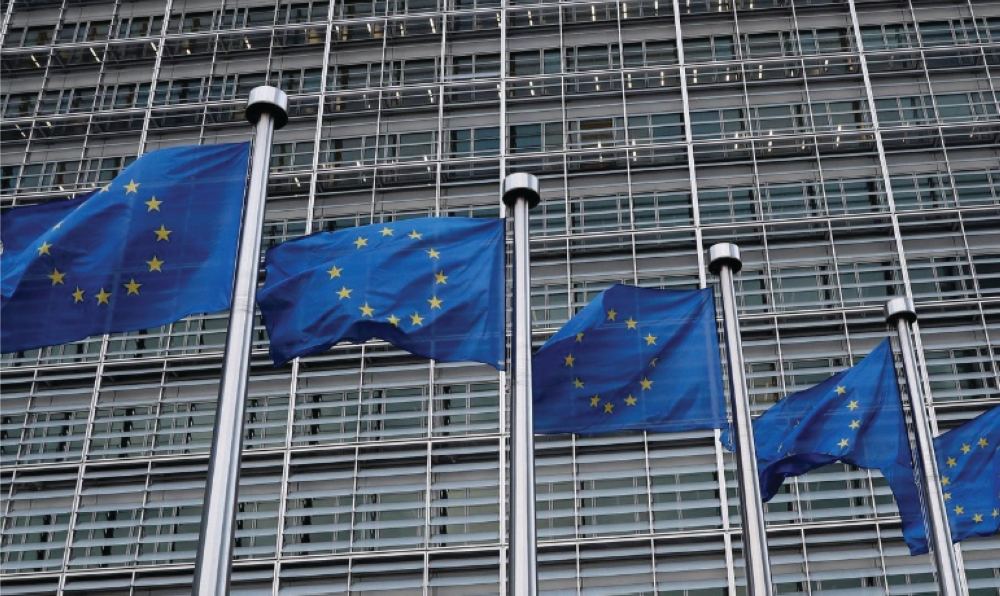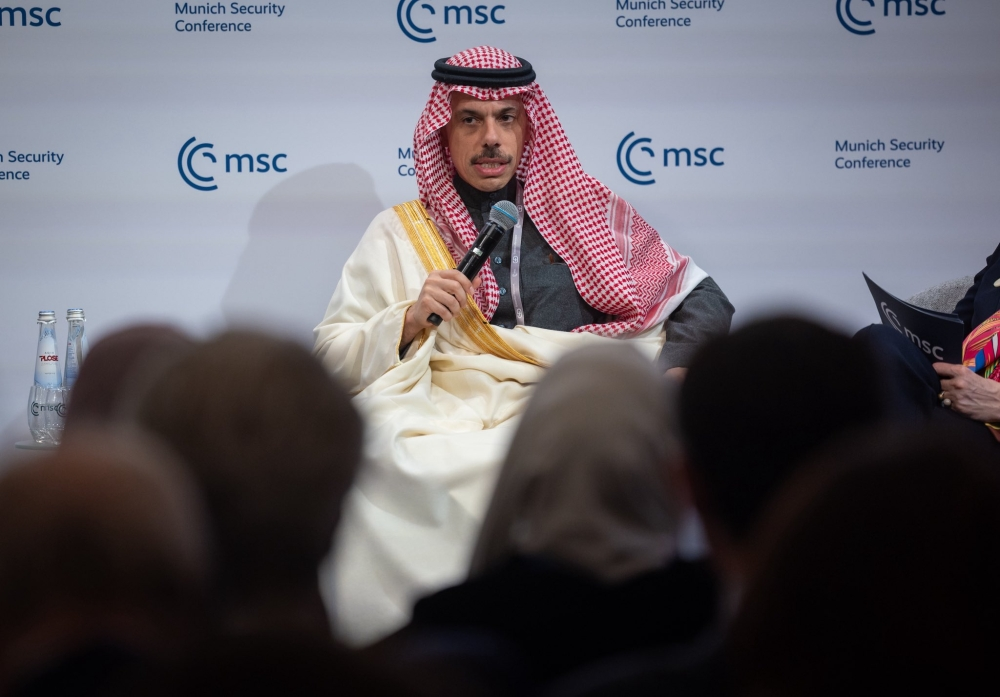
In a speech reflecting the likely policy directions of a future US administration, prominent political figures in Washington have explicitly called for a "renewal" of the global order, focusing on restructuring the historic relationship between the United States and Europe. This call, made amidst lively discussions at international forums such as the Munich Security Conference, urges Europeans to join the United States in this endeavor, emphasizing the need to build a "strong Europe" capable of shouldering its responsibilities in a changing world.
Historical background of the transatlantic alliance
The current world order was founded in the aftermath of World War II, with the United States leading efforts to establish a security and economic architecture designed to prevent a recurrence of such devastating conflicts. The North Atlantic Treaty Organization (NATO), established in 1949, was the cornerstone of this order, forming a joint defense alliance between North America and Europe to counter the Soviet threat. For decades, this transatlantic alliance served as the primary guarantor of security and stability in the West, underpinned by shared democratic values and economic interests.
Contemporary challenges and a vision for renewal
With the end of the Cold War and the emergence of new challenges such as international terrorism, the rise of China as a global power, and cyber warfare, cracks began to appear in this alliance. The administration of former President Donald Trump witnessed notable tensions, as his “America First” policy emphasized the need for a fairer burden-sharing arrangement, demanding that European allies increase their defense spending to 2% of GDP, a commitment already agreed upon within NATO. This call for renewal is not seen as a move towards secession, but rather as an attempt to revive an “old friendship” on new, more balanced foundations and to forge a “renewed alliance of strength” capable of meeting the challenges of the 21st century.
The importance of the call and its expected impact
The significance of this vision lies in its reflection of a deeper debate within the United States about its role in the world. Instead of the traditional role of “world policeman,” this vision proposes a strategic partnership in which Europe is a key and independent player in its own security. Regionally, a militarily strong Europe would transform the continent’s security dynamics, particularly in the face of threats from Russia. Internationally, a unified and revitalized Western front, operating on the basis of shared sovereign interests, could counterbalance China’s growing influence. This is not merely political rhetoric; it is a strategic vision for the future of a “proud, sovereign, and vibrant civilization” seeking to lead a global “restoration and renewal.”.