US escalation against the International Energy Agency
The United States has renewed its threats to withdraw from the International Energy Agency (IEA), a move reflecting growing tensions between President Donald Trump's administration and international organizations focused on climate change. Washington has accused the agency of prioritizing the climate agenda over its core mission of ensuring global energy security.
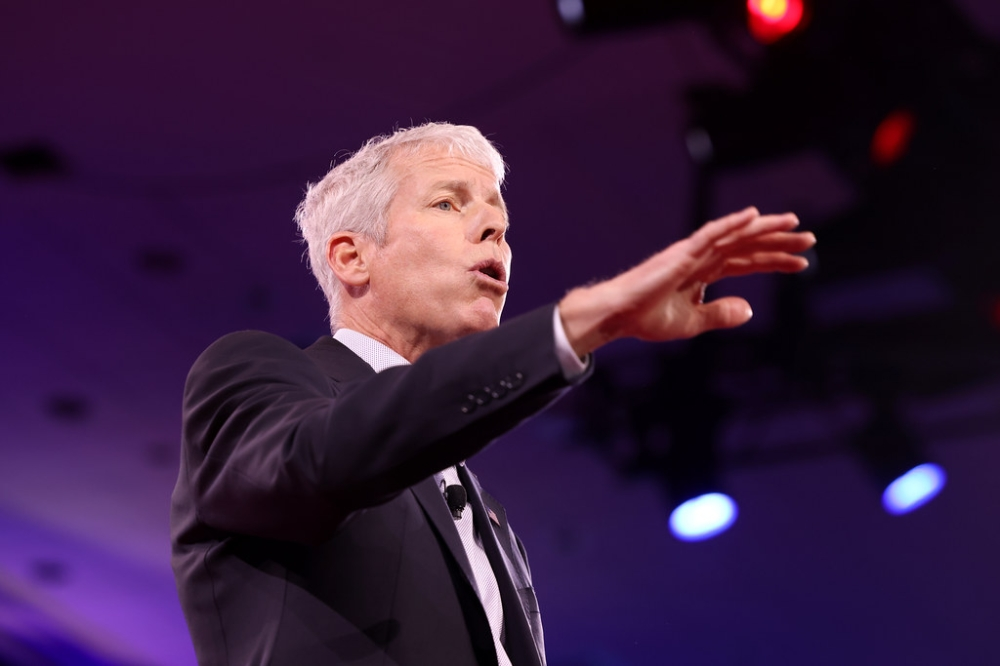
In sharp remarks ahead of an IEA ministerial meeting, U.S. Energy Secretary Chris Wright said, “We are not satisfied at all.” He added that the International Energy Agency must undertake fundamental reforms “for the United States to remain a member in the long term.” Wright explained that Washington wants the agency to return to its traditional role as a leading organization in data collection and analysis, with a focus on energy security and vital minerals, rather than being “completely dominated by climate issues.” He warned that if this shift does not occur, the United States “will withdraw.”.
Historical background and the role of the International Energy Agency
The International Energy Agency (IEA) was founded in 1974 in the wake of the 1973 oil crisis, with the primary goal of helping industrialized nations coordinate a collective response to major oil supply disruptions. Over the decades, the agency’s role has evolved and expanded beyond oil security, focusing on what is known as the “three pillars”: energy security, economic development, and environmental protection. This evolution has made the IEA a key player in the global debate on the transition to clean energy and combating climate change, a shift that the current US administration views as a departure from its original mission.
The impact of a potential withdrawal and its international dimensions
The American threat is of paramount importance given that the United States is a founding member and a major funder of the agency, contributing approximately $6 million annually, or about 14% of its budget. Washington's withdrawal would not only create a significant funding gap but would also weaken the agency's standing and its ability to coordinate energy policies globally.
This stance comes within the broader context of the Trump administration's policy, which has already withdrawn from numerous international climate agreements and organizations, most notably the Paris Climate Agreement. This approach reflects a clash between two opposing visions for the future of energy: one that supports fossil fuels and considers them fundamental to economic and national security, and another that calls for accelerating the transition to renewable energy sources to address the existential challenge of climate change. The future role of the International Energy Agency remains uncertain amidst this sharp global polarization.