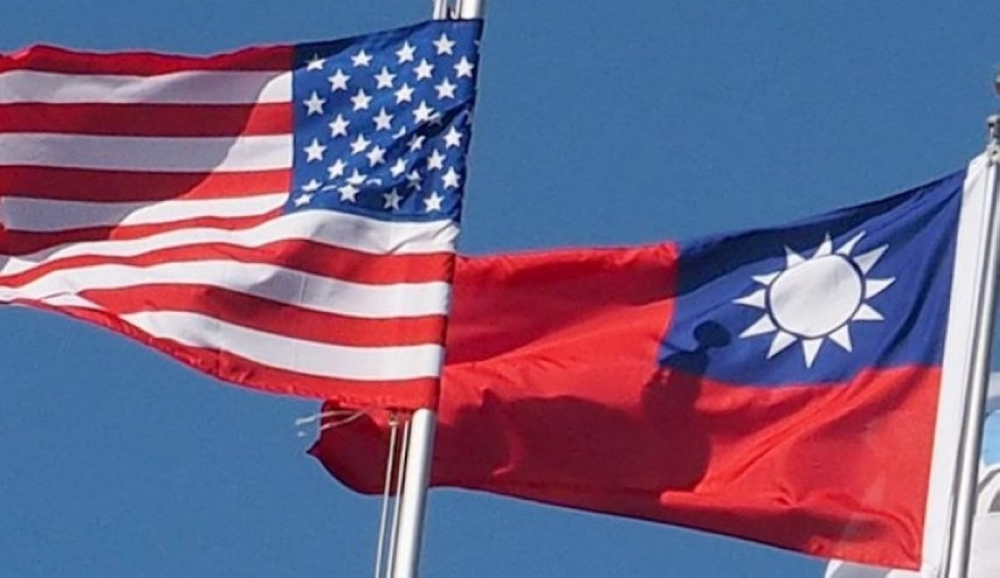
In a move reflecting the depth of the strategic and economic partnership between Washington and Taipei, the U.S. Department of Commerce announced a new trade agreement with the Taiwanese government. This agreement aims to revise previous trade policies, reducing tariffs imposed during the administration of former President Donald Trump from 20% to 15%, thus placing Taiwanese products on par with those from Japan and the European Union in the U.S. market.
Details of the massive investment deal
Under this landmark agreement, Taiwan committed to massive investments in the United States to bolster its technological infrastructure. The agreement stipulates that leading Taiwanese semiconductor companies will invest at least $250 billion to develop direct production lines within the United States. In addition, a further $250 billion investment package was allocated to strengthen the supply chain and operational environment of the semiconductor industry, bringing the total investment commitments to half a trillion dollars.
The importance of semiconductors in the global economy
This agreement comes at a time when the semiconductor (electronic chip) industry is gaining paramount importance, as these chips are considered the “oil of the 21st century” and the primary engine of all modern industries, from smartphones and electric cars to advanced military systems and artificial intelligence. Taiwan is the world’s leading supplier of this technology, making securing its supply chains a priority for US national security.
Economic and strategic dimensions of the agreement
This agreement carries profound economic and political implications. Economically, the tariff reduction will help alleviate inflationary pressures on American consumers and lower the cost of technological goods. Strategically, relocating a significant portion of the chip industry to the United States aims to achieve self-sufficiency, reduce reliance on imports amidst global geopolitical tensions, and ensure the uninterrupted flow of these vital components to American industry.
Historical background on customs duties
It is worth noting that the tariffs being reduced today were part of broader protectionist policies previously implemented to safeguard domestic industry and reduce the trade deficit. However, subsequent developments have demonstrated the United States' need for close technological alliances with reliable partners like Taiwan to address rapidly evolving technological challenges and fierce international competition in the high-tech sector.