In a landmark ruling, the U.S. Supreme Court determined that former President Donald Trump exceeded his constitutional authority when he imposed a wide range of tariffs that disrupted global trade. The 6-3 decision brought to a halt one of his administration's most controversial economic policies and sets an important precedent regarding the limits of presidential power in trade policy.
Background to the trade war and the 'America First' policy
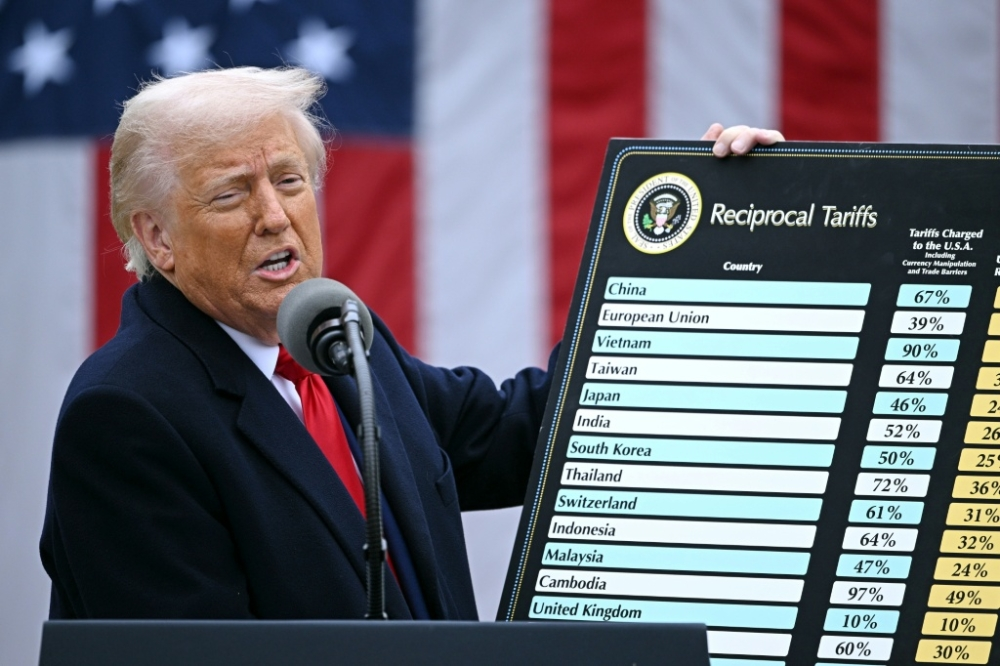
These tariffs came in the context of Trump’s “America First” policy, which aimed to protect domestic industries and reduce the US trade deficit. Beginning in 2018, Trump used his unprecedented powers to impose tariffs on billions of dollars’ worth of goods from major trading partners, primarily China, as well as close allies such as Canada, Mexico, and the European Union. The administration justified these measures by invoking the International Emergency Economic Powers Act (IEEPA), claiming national security threats such as illegal immigration and drug trafficking, to legitimize the tariffs as a tool of political and economic pressure.
Basis of the judicial ruling: Restricting executive power
The majority opinion of the Court clarified that the International Emergency Economic Powers Act does not grant the President sweeping authority to impose tariffs as a comprehensive regulatory tool. The justices affirmed that the power to impose taxes and fees, including tariffs, is a primary prerogative of Congress under the Constitution. The ruling stated that if Congress had intended to grant the President such “extraordinary and significant power,” it would have done so explicitly in the text of the Act, which it did not. In doing so, the ruling reaffirmed the principle of separation of powers, limiting the executive branch’s ability to use emergency powers to circumvent Congress’s legislative role in trade.
Expected effects of the ruling, both locally and internationally
This decision has broad economic and legal implications. Domestically, the ruling opens the door for thousands of American companies that paid these tariffs to seek billions of dollars in refunds, potentially providing a boost to many sectors that have been hurt by higher import costs. It also establishes a legal precedent that will make it difficult for future administrations to employ the same aggressive trade tactics without clear legislative approval.
Internationally, the decision was welcomed by the United States' trading partners, who considered the tariffs unjustified and a violation of free trade rules. The ruling is seen as a step toward restoring stability and predictability to the global trading system. While the decision does not automatically cancel all the tariffs imposed by Trump, such as those on steel and aluminum which were based on other laws, it represents a major victory for proponents of multilateral trade and a blow to protectionist policies.