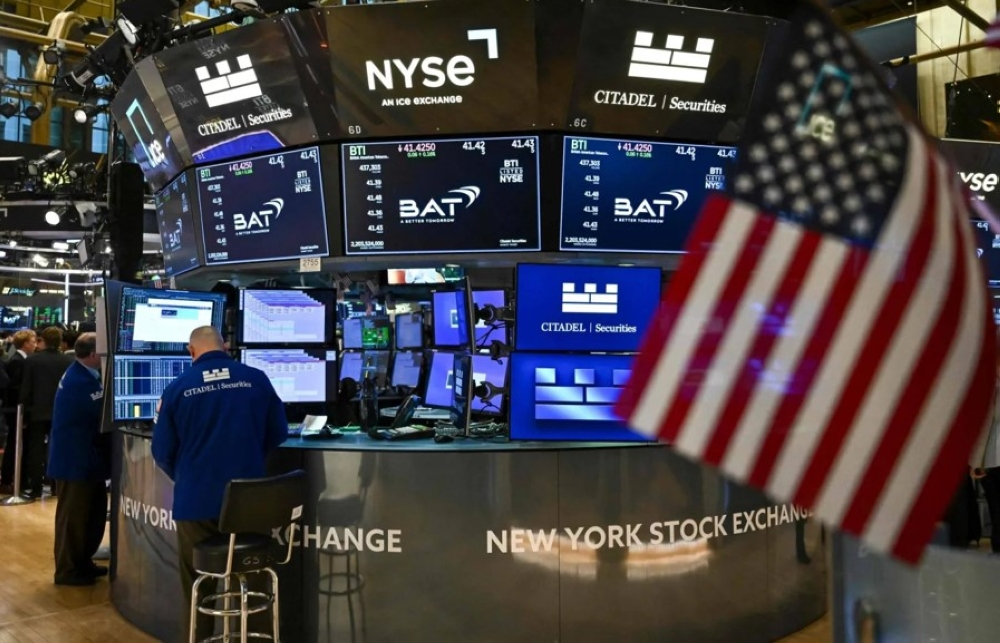
شهدت أسواق المال في الولايات المتحدة الأمريكية حالة من التباين الملحوظ خلال تعاملات اليوم، حيث استقرت مؤشرات الأسهم الأمريكية بالقرب من مستوياتها القياسية، في مشهد يعكس حالة الترقب والحذر التي تسيطر على المستثمرين. يأتي هذا الأداء عقب صدور أحدث بيانات التضخم، التي تلعب دوراً محورياً في رسم ملامح السياسة النقدية المستقبلية لأكبر اقتصاد في العالم.
تأثير بيانات التضخم على قرار الفيدرالي
تكتسب التحركات الحالية في وول ستريت أهمية خاصة نظراً لارتباطها الوثيق بتوقعات أسعار الفائدة. تشير البيانات الاقتصادية الأخيرة إلى أن التضخم بدأ يتخذ مساراً قد يسمح لمجلس الاحتياطي الفيدرالي (البنك المركزي الأمريكي) بتبني سياسة نقدية أكثر مرونة. ويرى المحللون أن استقرار الأسعار أو تراجع وتيرة التضخم يبقي الباب مفتوحاً أمام صناع السياسة النقدية لخفض أسعار الفائدة في وقت لاحق من هذا العام، وهو ما يعتبر وقوداً رئيسياً لارتفاع أسواق الأسهم، حيث أن خفض الفائدة يقلل من تكلفة الاقتراض للشركات ويعزز من جاذبية الأصول ذات المخاطر العالية.
أداء المؤشرات الرئيسية
على صعيد الأداء الفني للمؤشرات، واصل مؤشر (ستاندرد آند بورز 500)، الذي يعتبر المقياس الأوسع والأكثر دقة لأداء السوق الأمريكي، تحقيقه للأرقام القياسية. فقد ارتفع المؤشر بنسبة 0.1% في بداية التداولات، مسجلاً أعلى مستوى له على الإطلاق، مما يعكس ثقة المستثمرين في متانة الشركات الكبرى وقدرتها على تحقيق النمو رغم التحديات الاقتصادية العالمية.
في المقابل، سجل مؤشر (داو جونز) الصناعي تراجعاً طفيفاً، حيث انخفض بمقدار 90 نقطة، أي ما يعادل نسبة 0.2%. ويعكس هذا الانخفاض تباين أداء القطاعات الصناعية التقليدية مقارنة بقطاعات التكنولوجيا والنمو. أما مؤشر (ناسداك) المجمع، الذي تغلب عليه شركات التكنولوجيا، فقد سار في الاتجاه الإيجابي مرتفعاً بنسبة 0.2%، مستفيداً من التفاؤل بقطاع التكنولوجيا والذكاء الاصطناعي الذي يقود قاطرة النمو في الأسواق حالياً.
الأهمية الاقتصادية والسياق العام
تأتي هذه التحركات في سياق اقتصادي عالمي يترقب ما يعرف بـ “الهبوط الناعم” للاقتصاد الأمريكي، وهو السيناريو الذي ينجح فيه الفيدرالي في كبح التضخم دون التسبب في ركود اقتصادي. إن استقرار الأسهم الأمريكية قرب قممها التاريخية يرسل إشارات إيجابية للأسواق العالمية، بما في ذلك الأسواق الناشئة وأسواق المنطقة، حيث غالباً ما ترتبط تحركات رؤوس الأموال العالمية باتجاهات البوصلة في نيويورك. ويبقى المستثمرون في حالة ترقب لأي تصريحات جديدة من مسؤولي الفيدرالي قد تؤكد أو تنفي قرب موعد التخفيض الأول للفائدة.