Wall Street declined across the board, led by technology stocks
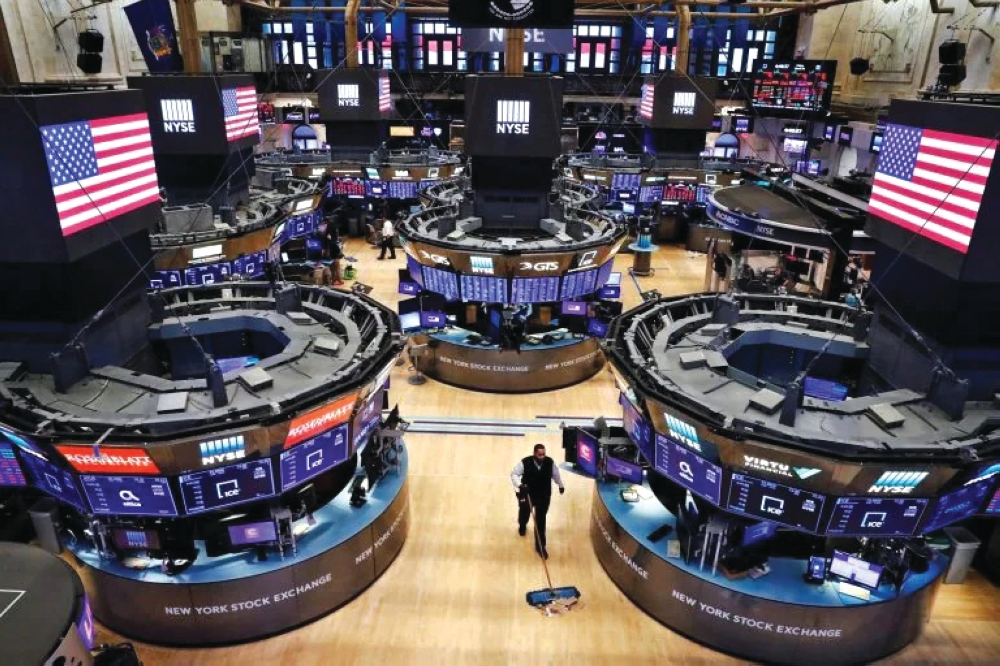
US stock indices on Wall Street experienced a sharp decline at the close of trading on Thursday, with the technology sector leading the broad market losses. This downturn came as investors intensified their selling of shares in major technology companies and exited other sectors such as transportation, amid growing concerns about the potential disruption that artificial intelligence technologies could cause to traditional business models. After opening higher, sentiment turned negative, reflecting increasing caution among investors.
Major indexes declined sharply. The S&P 500 lost 108 points, or 1.57%, to close at 6,832.62. The tech-heavy Nasdaq Composite saw an even steeper drop, falling 469.32 points, or 2.02%, to 22,600.85. The Dow Jones Industrial Average also fell, dropping 668.88 points, or 1.33%, to 49,453.61. This shift in market sentiment reflects investor concerns about high valuations and a search for safer havens.
General context: Between the AI boom and economic concerns
This decline comes after a period of strong market gains, driven primarily by the artificial intelligence boom that boosted the shares of tech giants, particularly semiconductor companies. This momentum propelled major indices to record highs, but simultaneously raised questions about the sustainability of these gains and whether the markets were experiencing a new bubble, prompting some investors to take profits in anticipation of a potential price correction.
On a broader economic level, global financial markets remain sensitive to the uncertainty surrounding the Federal Reserve's (the US central bank) monetary policy. While investors hope for interest rate cuts to stimulate the economy, inflation and economic growth data remain the primary determinants of the bank's decisions. Any signs of persistent inflation could prompt the Fed to keep interest rates high for longer, which would put downward pressure on stock prices, particularly growth stocks in the technology sector that rely on low-cost financing.
Expected impacts on global markets
The Wall Street sell-off has repercussions far beyond the United States, given its status as the world's largest financial market. A sharp decline in US stocks typically triggers risk aversion in global markets, negatively impacting stock exchanges in Europe and Asia. It can also lead to currency market volatility, as investors may flock to the US dollar as a "safe haven," affecting other economies, particularly emerging markets that rely on foreign capital inflows. Ultimately, Thursday's decline reflects the tension between high optimism surrounding the prospects of artificial intelligence and underlying concerns about economic challenges and high valuations, keeping investors on edge.