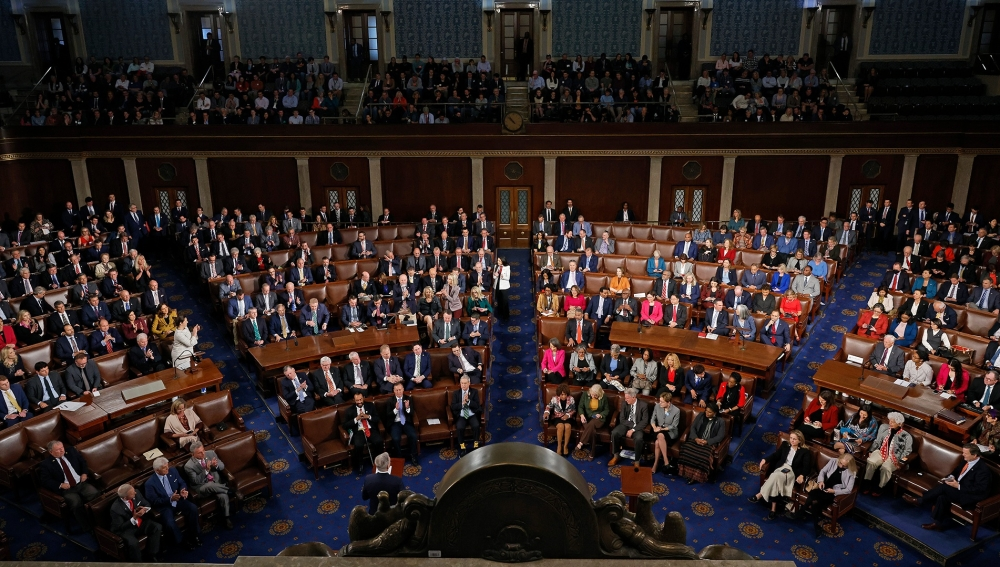
في خطوة حاسمة تهدف إلى ضمان استمرارية عمل المؤسسات الحكومية، أقر مجلس الشيوخ الأمريكي مشروع قانون تمويل مؤقت يهدف إلى تجنب “إغلاق حكومي” وشيك كان من شأنه أن يتسبب في شلل جزئي للخدمات الفيدرالية. ويمثل هذا الإجراء حلاً قصير الأمد، حيث من المقرر أن ينتقل التشريع الآن إلى مجلس النواب للتصويت عليه قبل إرساله إلى الرئيس للتوقيع النهائي ليصبح قانونًا نافذًا.
السياق العام: ما هو الإغلاق الحكومي الأمريكي؟
تعتبر أزمات التمويل والإغلاق الحكومي ظاهرة متكررة في المشهد السياسي الأمريكي، وتحدث عندما يفشل الكونغرس (بمجلسيه الشيوخ والنواب) في إقرار مشاريع قوانين الإنفاق السنوية اللازمة لتمويل عمليات الحكومة الفيدرالية. فبموجب الدستور الأمريكي، لا يمكن إنفاق الأموال الحكومية دون موافقة تشريعية. وعندما ينتهي الموعد النهائي للسنة المالية (30 سبتمبر من كل عام) دون التوصل إلى اتفاق، تدخل الوكالات الفيدرالية التي لم يتم تمويلها في حالة إغلاق، مما يعني توقف جميع الخدمات “غير الأساسية” وإرسال مئات الآلاف من الموظفين الفيدراليين إلى إجازة إجبارية بدون أجر.
خلفية تاريخية للصراعات المالية
تاريخيًا، غالبًا ما تستخدم مفاوضات الميزانية كأداة ضغط سياسي بين الحزبين الديمقراطي والجمهوري لتحقيق أهداف سياسية لا علاقة لها بالميزانية نفسها. شهدت الولايات المتحدة عدة حالات إغلاق حكومي بارزة، مثل الإغلاق في عامي 1995-1996 خلال إدارة الرئيس بيل كلينتون بسبب خلافات حول مستويات الإنفاق، والإغلاق في عام 2013 بسبب الخلاف حول قانون الرعاية الصحية (أوباما كير)، والإغلاق الأطول في تاريخ البلاد في 2018-2019 خلال إدارة الرئيس دونالد ترامب بسبب الخلاف حول تمويل جدار حدودي مع المكسيك.
الأهمية والتأثيرات المتوقعة
إن تجنب الإغلاق الحكومي له أهمية قصوى على عدة مستويات. على الصعيد المحلي، يمنع هذا الإجراء تعطيل حياة ملايين المواطنين الأمريكيين، ويضمن استمرار الخدمات الحيوية مثل معالجة طلبات الضمان الاجتماعي، وعمليات مراقبة الحركة الجوية، واستمرار عمل الأجهزة الأمنية. كما أنه يجنب الموظفين الفيدراليين وعائلاتهم حالة من عدم اليقين المالي. اقتصاديًا، يؤدي الإغلاق إلى تباطؤ النمو الاقتصادي، حيث يتوقف الإنفاق الحكومي وينخفض الاستهلاك بسبب فقدان الأجور، مما يؤثر سلبًا على الشركات التي تعتمد على العقود الحكومية أو على إنفاق الموظفين الفيدراليين. وعلى الصعيد الدولي، يُنظر إلى الإغلاق الحكومي على أنه مؤشر على عدم الاستقرار السياسي في واشنطن، مما قد يهز ثقة المستثمرين والأسواق العالمية في الاقتصاد الأمريكي وقدرة قيادته على إدارة شؤونها بفعالية. ورغم أن هذا القانون يوفر حلاً مؤقتاً، إلا أنه يؤجل المواجهة السياسية الحتمية حول أولويات الإنفاق، مما يعني أن شبح الإغلاق قد يعود للظهور مجددًا في المستقبل القريب.