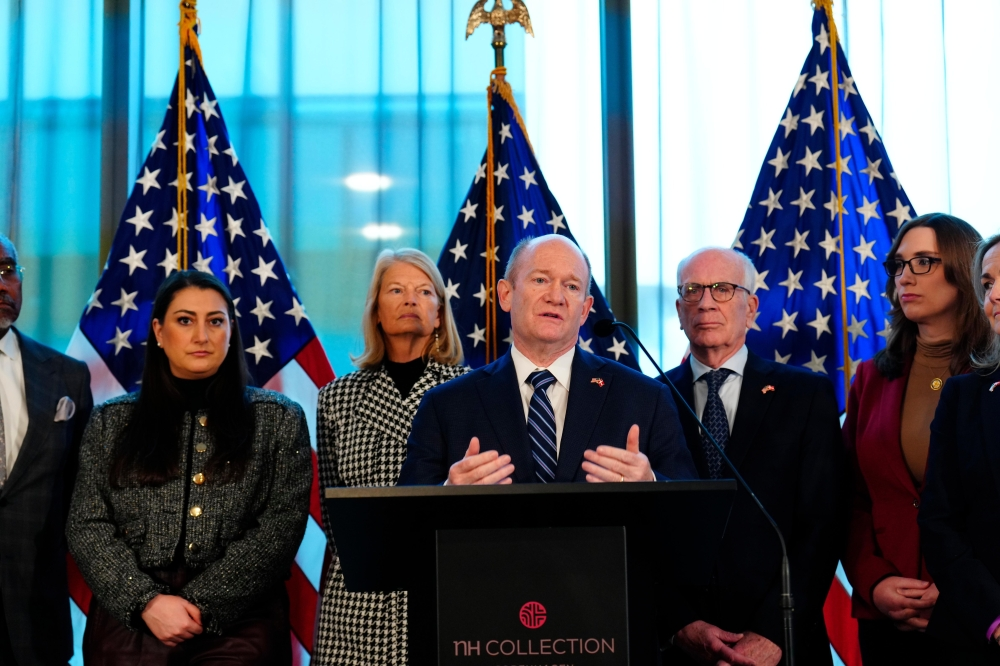
In a diplomatic move aimed at repairing relations and rebuilding trust, a high-level delegation from the US Senate visited Greenland. This visit followed tensions sparked by former President Donald Trump's offer to purchase the island, a move that was firmly rejected by both Greenland and Denmark and triggered a brief diplomatic crisis.
The delegation, which included members from both the Republican and Democratic parties, sought to emphasize the depth of the historical relationship and the strategic importance of the partnership between the United States and Greenland. Republican Senator Lisa Murkowski, who was part of the delegation, told reporters, “With a few sentences and a few words, the trust we built since World War II has been eroded and shattered, and we must work to rebuild it.” She added, “We are here to remind you that our president can make statements, but we also have a role to play as members of Congress.”.
Historical background of US-Greenland relations
The relationship between the United States and Greenland spans decades and is largely centered on the island's military importance. Since World War II, the United States has maintained a strategic military presence at Thule Air Base (recently renamed Petavik Space Base), which served as a vital early warning point during the Cold War. Trump's offer was not unprecedented; in 1946, President Harry Truman offered to purchase the island from Denmark for $100 million, but the offer was rejected.
The growing strategic importance of Greenland
Greenland's importance today extends far beyond its military location. With climate change accelerating and Arctic ice melting, the island is emerging as a gateway to new shipping routes that could significantly shorten distances between Asia and Europe. Furthermore, its vast, largely unexplored territory is believed to hold immense wealth of natural resources, including rare earth minerals, oil, and gas—resources for which global demand is growing.
International competition in the Arctic
These promising prospects have made the Arctic a new arena for competition among major global powers. Russia seeks to bolster its military and economic presence in the region, while China has declared itself a “subpolar state” and is working to integrate the region into its “Arctic Silk Road” initiative. In this context, US moves, including this diplomatic visit and the reopening of the US consulate in Nuuk, are part of a broader strategy to counter Chinese and Russian influence and secure American interests in this vital part of the world. Thus, the delegation’s visit was not merely an attempt to repair the damage caused by Trump’s statements, but rather a confirmation that Washington recognizes Greenland’s growing geopolitical importance and intends to play a pivotal role in the future of the Arctic.