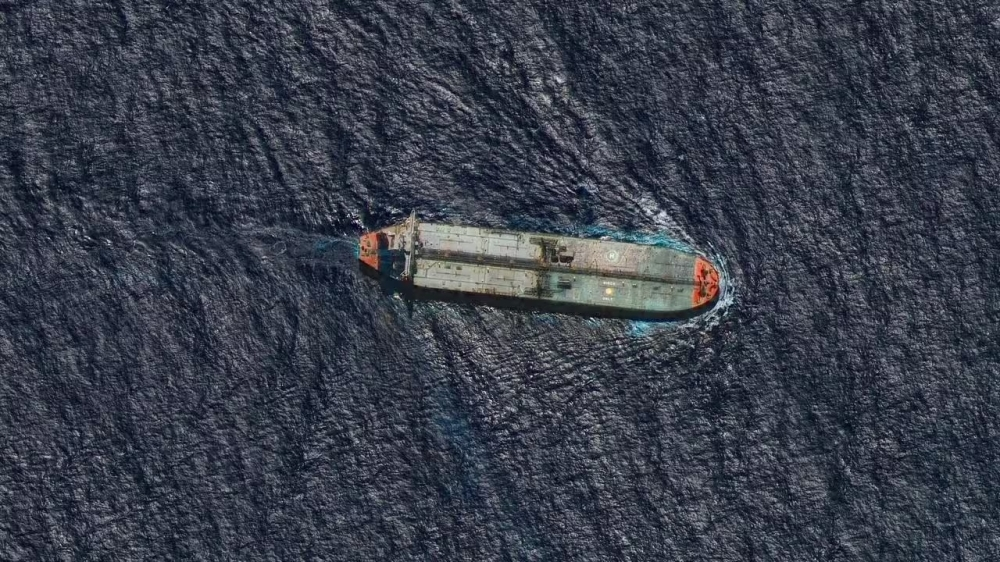
أعلنت القيادة الجنوبية للولايات المتحدة، في خطوة تصعيدية جديدة ضمن حملة الضغط الأقصى على فنزويلا، عن احتجاز ناقلة نفط سابعة في مياه البحر الكاريبي. وأوضحت القيادة في بيان لها أن السفينة، التي تحمل اسم “ساجيتا”، تم اعتراضها واحتجازها “دون أي حوادث”، مشيرة إلى أنها كانت تتحدى الحصار الذي فرضته إدارة الرئيس السابق دونالد ترامب على السفن الخاضعة للعقوبات والمتجهة من فنزويلا أو إليها.
خلفية الحصار الأمريكي على فنزويلا
تأتي عملية الاحتجاز هذه في سياق سياسة “الضغط الأقصى” التي انتهجتها واشنطن بهدف الإطاحة بحكومة الرئيس نيكولاس مادورو. فمنذ عام 2019، فرضت الولايات المتحدة سلسلة من العقوبات الاقتصادية الشديدة التي استهدفت بشكل أساسي قطاع النفط الفنزويلي، الذي يمثل شريان الحياة لاقتصاد البلاد. شملت هذه العقوبات حظرًا على شركة النفط الحكومية الفنزويلية (PDVSA) ومنعها من التعامل مع الكيانات الأمريكية، بالإضافة إلى ملاحقة السفن والشركات التي تنقل النفط الفنزويلي في تحدٍ للعقوبات.
في ديسمبر من العام الذي سبق هذه الحادثة، أعلن الرئيس ترامب عن فرض حصار بحري فعلي، حيث تم نشر قوة بحرية أمريكية كبيرة في منطقة الكاريبي. وبررت واشنطن هذا الانتشار بأنه يهدف إلى مكافحة عمليات تهريب المخدرات التي تتهم مسؤولين في حكومة مادورو بالتورط فيها، لكن الهدف الأوسع كان واضحًا: خنق صادرات النفط الفنزويلية بالكامل وقطع مصادر الدخل عن الحكومة.
الأهمية والتأثيرات المتوقعة للعملية
يمثل احتجاز الناقلة السابعة رسالة سياسية وعسكرية واضحة من واشنطن بأنها جادة في تطبيق عقوباتها ومنع أي محاولة للالتفاف عليها. وعلى الصعيد المحلي، تزيد هذه الإجراءات من تفاقم الأزمة الاقتصادية والإنسانية في فنزويلا، حيث أدى تدهور قطاع النفط إلى نقص حاد في الوقود والسلع الأساسية، مما أثر بشكل مباشر على حياة المواطنين اليومية.
إقليميًا، أثار الانتشار العسكري الأمريكي في الكاريبي قلق دول الجوار وزاد من حدة التوتر في المنطقة. أما دوليًا، فقد أدت هذه السياسة إلى مواجهات جيوسياسية، خاصة مع دول مثل إيران وروسيا، التي حاولت كسر الحصار عبر إرسال ناقلات وقود ومساعدات إلى فنزويلا، مما وضع القوى العالمية في مواجهة مباشرة في مياه الكاريبي. وتؤكد واشنطن أن “النفط الوحيد الذي سيغادر فنزويلا هو ذلك المنسّق بشكل صحيح وقانوني”، في إشارة إلى أن أي مبيعات نفطية يجب أن تتم تحت إشراف السلطات التي تعترف بها، وليس حكومة مادورو.