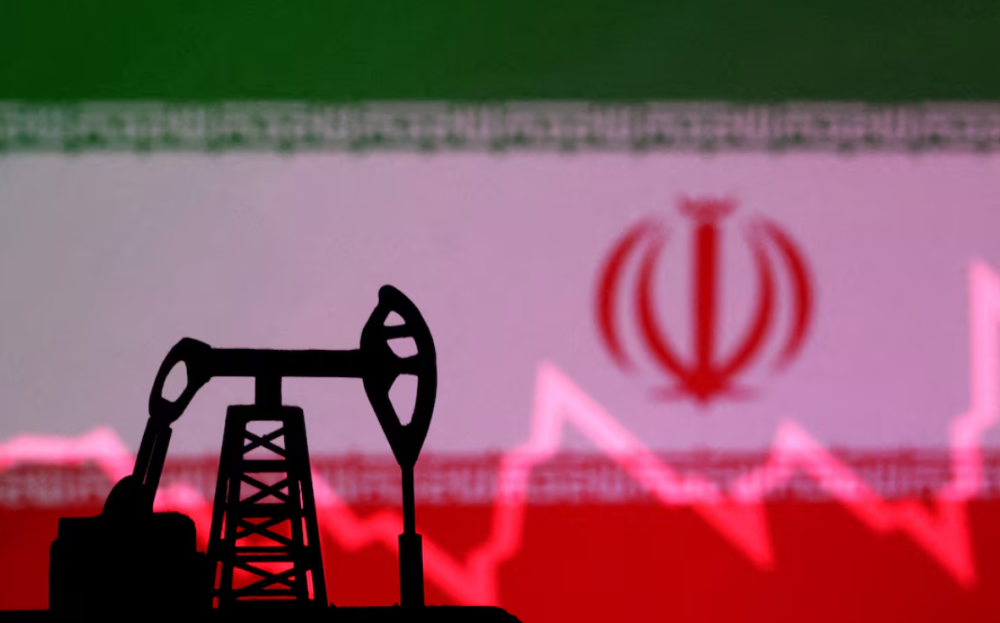
In a move reflecting its continued maximum pressure campaign, the United States announced a new round of sanctions targeting Iran's vital oil sector. This action follows a round of indirect talks between US and Iranian officials, mediated by Oman, further complicating the already tense diplomatic landscape between the two countries.
Historical background of the conflict and sanctions
US sanctions against Iran have been a key foreign policy tool in Washington for decades, but they gained renewed momentum after the Trump administration withdrew from the nuclear agreement (Joint Comprehensive Plan of Action) in 2018. The agreement, signed in 2015, aimed to curb Iran’s nuclear program in exchange for the easing of economic sanctions. However, the US withdrawal reinstated all previous sanctions and added new ones as part of a “maximum pressure” campaign designed to cripple the Iranian economy and force it to negotiate a new agreement on US terms.
Details of the new package and its implications
The US State Department explained in its statement that the new sanctions target a broad network of 15 entities and two individuals, as well as 14 oil tankers, all involved in facilitating the illicit trade of Iranian oil and petrochemicals. The State Department spokesperson affirmed that the President is “committed to reducing the Iranian regime’s oil and petrochemical exports,” accusing Tehran of using the proceeds to fund “destabilizing activities around the world and intensify its repression within Iran,” instead of investing in the well-being of its people.
Importance and expected effects
The timing of the announcement, which followed talks in Muscat described by the Iranian side as “positive,” carries a dual message. On the one hand, Washington is reaffirming that it will not abandon its economic pressure tactics while exploring diplomatic avenues. On the other hand, the sanctions aim to further strain the Iranian economy, which is already suffering from inflation and currency devaluation, potentially impacting the regime’s ability to finance its regional allies. Internationally, these sanctions expose companies and countries dealing with Iran’s energy sector to the risk of secondary US sanctions, complicating global oil trade and destabilizing energy markets. This move comes at a sensitive time, as Oman plays a historically significant role as a trusted mediator between Tehran and the West, and the success of these diplomatic efforts hinges on the ability of both sides to build trust and make mutual concessions.