In a new escalation reflecting deep US concern over growing military cooperation between its adversaries, the United States announced a new package of stringent sanctions targeting military trade networks between Tehran and Caracas. These sanctions focus primarily on the trade of drones and the development of missile programs, as part of Washington's strategy to intensify pressure on the regime of Venezuelan President Nicolás Maduro and its Iranian ally.
Details of sanctions and targeted entities
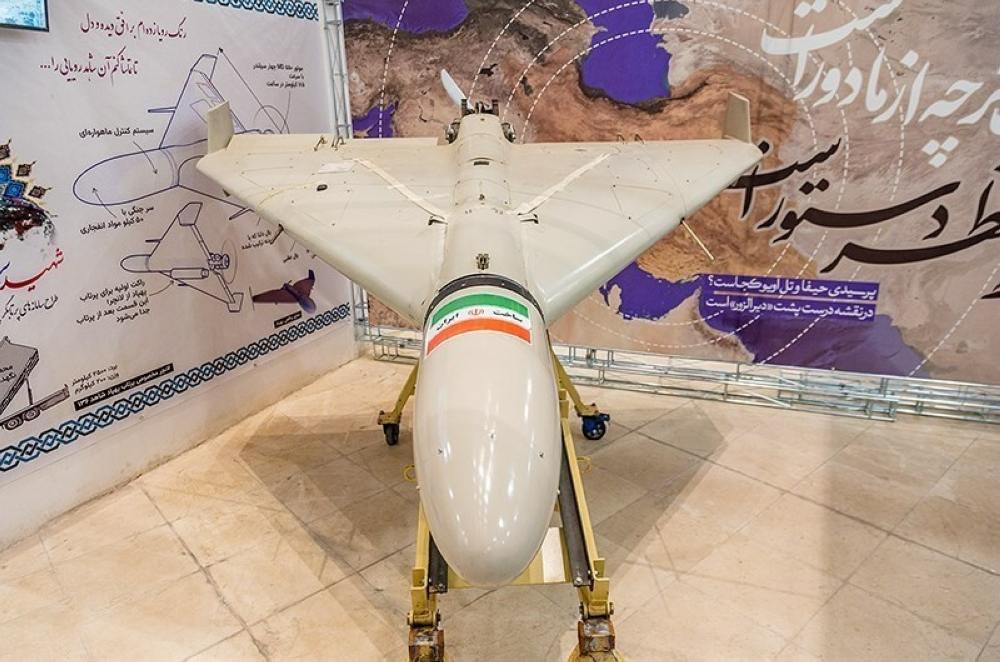
The U.S. Treasury Department, in its latest decision, targeted 10 individuals and entities operating in both Iran and Venezuela. These punitive measures stem from their involvement in facilitating the purchase of Iranian-made drones for Venezuela, as well as their persistent efforts to acquire chemicals and precision equipment used in the manufacture and development of ballistic missiles. John Hurley, Under Secretary of the Treasury for Terrorism and Financial Intelligence, affirmed that this action is intended to hold both countries accountable for their "continued and reckless proliferation of deadly weapons," emphasizing that Washington will act swiftly to deny any entity facilitating the activities of Iran's military-industrial complex access to the U.S. financial system.
Background of the strategic alliance and its impact
This event cannot be understood in isolation from the historical and geopolitical context of relations between Tehran and Caracas. Both countries are subject to harsh US sanctions, which has led them to form a strategic alliance based on shared interests in countering US influence. Washington fears that the arrival of Iranian military technology, particularly drones, in Latin America poses a direct threat to US national security and that of its allies in the region, potentially transforming Venezuela into a forward operating base for Iranian influence in the Western Hemisphere.
Escalating pressure under Trump
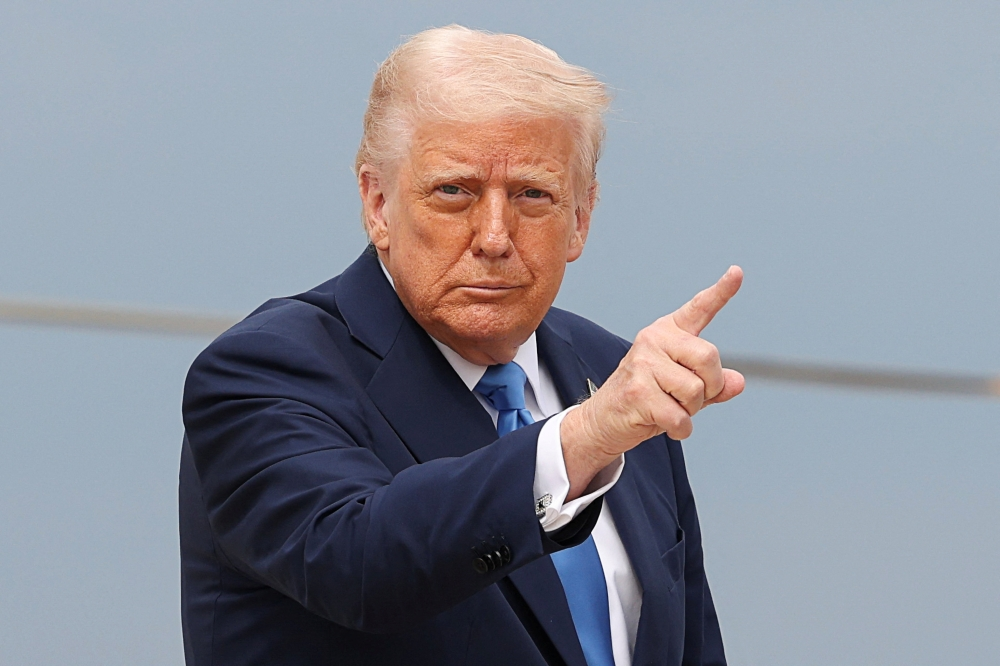
The announcement of these sanctions coincided with a significant escalation by President Donald Trump's administration against the Maduro regime. In this context, Trump cited military operations targeting ports believed to be used for drug trafficking, signaling a broadening of the confrontation to include security and counter-narcotics aspects as part of the "maximum pressure" campaign. The US administration views Venezuelan-Iranian military cooperation as an additional pretext for tightening the economic and military noose around Caracas.
Threat to navigation and regional security
For its part, the Treasury Department explained that these measures support efforts to prevent the proliferation of weapons, noting that Iran's drone and missile programs not only threaten Venezuela and the United States, but also extend their risks to destabilize commercial shipping in vital waterways such as the Red Sea, and threaten Washington's allies in the Middle East. Among the most prominent entities targeted by the sanctions is the Venezuelan company Impresa Aeronautica Nacional SA, which was accused of acquiring Iranian combat drones worth millions of dollars, something the State Department considered a clear threat to American interests in the region.