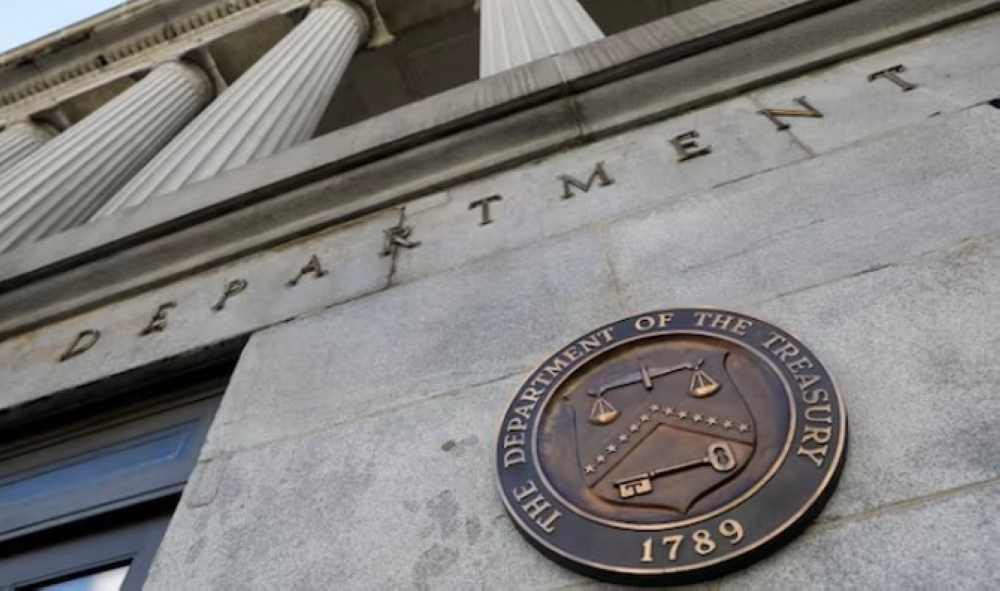
في خطوة تصعيدية جديدة تهدف إلى تجفيف منابع التمويل للجماعات المسلحة في اليمن، أصدرت إدارة الرئيس الأمريكي دونالد ترامب، اليوم الجمعة، حزمة عقوبات واسعة النطاق استهدفت شبكات التمويل المعقدة التابعة لجماعة الحوثي. وأعلن مكتب مراقبة الأصول الأجنبية (OFAC) التابع لوزارة الخزانة الأمريكية أن الإجراءات العقابية طالت 21 فرداً وكياناً، بالإضافة إلى سفينة واحدة، متورطين في تسهيل الأنشطة المالية واللوجستية للجماعة.
استهداف “جنة الأنهار” في الإمارات
من بين أبرز الكيانات المشمولة بالعقوبات، برز اسم شركة “جنة الأنهار للتجارة العامة” (Janat Al Anhar General Trading LLC)، المسجلة في دولة الإمارات العربية المتحدة. وتُشير التقارير الاستخباراتية والمالية إلى أن هذه الشركة تمثل حلقة وصل حيوية في السلسلة المالية للحوثيين خارج اليمن.
ووفقاً لمصادر مطلعة، لا تمارس الشركة نشاطاً تجارياً تقليدياً بقدر ما تعمل كغرفة مقاصة لحوالات السوق السوداء. وتُستخدم حسابات الشركة لتصفية الأموال التي يضخها تجار مرتبطون بالجماعة لشراء سلع مهربة، قطع غيار حساسة، معدات تقنية، وحتى شحنات يُشتبه بصلتها بالتسليح قادمة من الصين ودول آسيوية أخرى. وتسمح هذه الآلية للحوثيين بإدارة تدفقات مالية ضخمة خارج النظام المصرفي الرسمي، مما يجعل تتبعها أمراً بالغ الصعوبة.
سياق الصراع وأزمة البحر الأحمر
تأتي هذه العقوبات في وقت تشهد فيه المنطقة توتراً غير مسبوق، حيث يواصل الحوثيون شن هجماتهم على السفن التجارية في البحر الأحمر ومضيق باب المندب، وهي هجمات تبررها الجماعة بأنها تضامن مع قطاع غزة، بينما تراها واشنطن وحلفاؤها تهديداً مباشراً لحرية الملاحة والتجارة العالمية.
وتاريخياً، اعتمدت الجماعة على شبكة معقدة من الوسطاء والشركات الوهمية المنتشرة في دول المنطقة للالتفاف على العقوبات الدولية، مما مكنها من استيراد الوقود والمعدات العسكرية وتطوير قدراتها الصاروخية والمُسيّرة التي باتت تهدد الأمن الإقليمي.
الأهمية الاستراتيجية للعقوبات وتأثيرها
يحمل هذا القرار دلالات سياسية واقتصادية هامة على عدة مستويات:
- محلياً: تهدف العقوبات إلى إضعاف القدرة المالية للحوثيين على دفع رواتب مقاتليهم وتمويل المجهود الحربي، مما قد يساهم في تقليص عملياتهم العسكرية في الداخل اليمني.
- إقليمياً: يُظهر إدراج شركة مقرها الإمارات في القائمة تنسيقاً أمنياً واستخباراتياً دقيقاً لملاحقة الأموال غير المشروعة، حتى تلك التي تحاول الاختباء داخل اقتصادات دول حليفة للولايات المتحدة.
- دولياً: تبعث واشنطن برسالة حازمة مفادها أن النظام المالي العالمي لن يكون ملاذاً آمناً لممولي الهجمات التي تهدد سلاسل الإمداد العالمية.
الموقف الأمريكي الرسمي
وفي تعليقه على القرار، صرح وزير الخزانة الأمريكي سكوت بيسنت قائلاً: “يهدد الحوثيون الولايات المتحدة من خلال ارتكاب أعمال إرهابية ومهاجمة السفن التجارية العابرة للبحر الأحمر”. وأكدت الوزارة أن هذه الخطوة هي استكمال لسلسلة من الضغوط الاقتصادية الرامية لتفكيك شبكات التهريب وتوليد الإيرادات التي تمكن الجماعة من زعزعة الاستقرار الإقليمي.