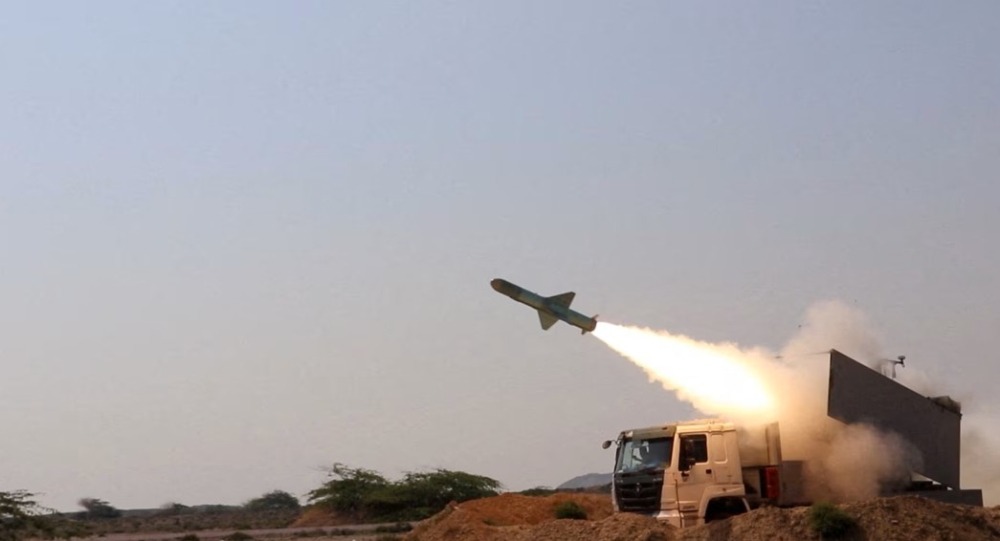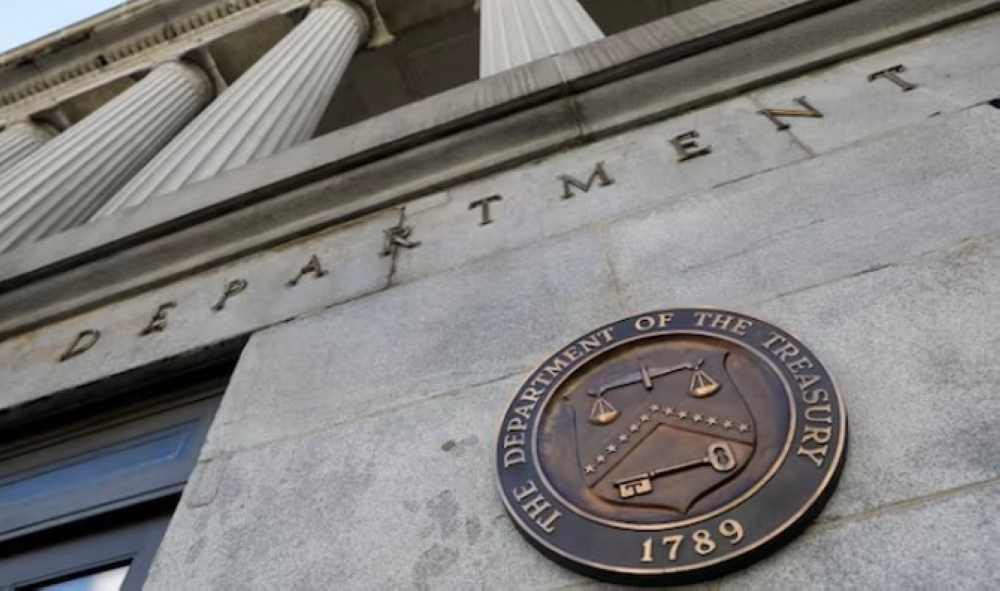
In a new escalation aimed at cutting off funding to armed groups in Yemen, the administration of US President Donald Trump issued a wide-ranging package of sanctions on Friday targeting the financial infrastructure of the Houthi group. The US Treasury Department’s Office of Foreign Assets Control (OFAC) announced that the punitive measures targeted 21 individuals and entities, as well as one vessel, as part of Washington’s maximum pressure strategy.
Targeting the UAE's "clearing house"
Among the most notable additions to the new blacklist is Janat Al Anhar General Trading LLC, a company registered in the United Arab Emirates. According to the US statement and informed sources, this company is considered one of the most dangerous links in the Houthis' financial supply chain.
Intelligence and field reports indicate that this company not only engages in traditional commercial activity but also effectively functions as a "clearing house" for black market money transfers. The company plays a pivotal role in money laundering and settling financial accounts used by traders linked to the group to purchase smuggled goods, sensitive spare parts, and equipment, as well as facilitating payments for arms shipments originating from China and other countries, making it a vital lifeline for the group's ongoing military operations.
Context of escalation: The Red Sea crisis
These sanctions come at a time of unprecedented tensions in the region, as the Houthis continue their attacks on commercial vessels in the Red Sea and the Bab al-Mandab Strait. These attacks have not only threatened the safety of international navigation but have also disrupted global supply chains and driven up shipping and insurance costs, prompting the United States and its allies to take deterrent measures that go beyond direct military operations to include economic warfare.
In this context, U.S. Treasury Secretary Scott Bisent stated, "The Houthis threaten the United States and the international community by committing acts of terrorism and attacking commercial vessels transiting the Red Sea." He emphasized that these sanctions send a clear message that Washington will not tolerate the networks that provide financial cover for these attacks.
Financial strangulation strategy
This move is the latest in a series of actions taken by the US Treasury to undermine the Houthis' ability to generate revenue. These complex networks, linking traders in Sana'a to financial channels in regional countries, manage parallel financial flows outside the formal banking system, making traditional international oversight more difficult.
The US decision aims to isolate these entities from the global financial system, freeze any assets they have under US jurisdiction, and prevent international companies from dealing with them, thus tightening the noose on the Houthis’ ability to finance their regionally destabilizing activities and purchase the components needed to manufacture missiles and drones.