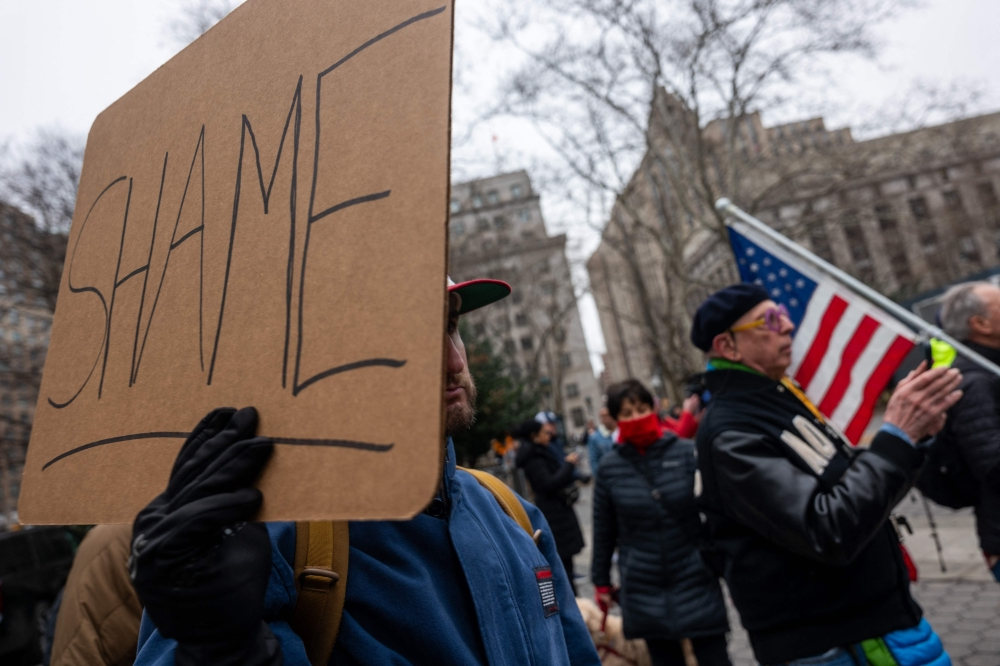
تستعد الولايات المتحدة الأمريكية لموجة جديدة من الاحتجاجات الشعبية الواسعة خلال عطلة نهاية الأسبوع، وذلك تنديداً بمقتل المواطنة رينيه نيكول غود (37 عاماً) برصاص عنصر تابع لإدارة الهجرة والجمارك (ICE) في مدينة مينيابوليس. وتأتي هذه التظاهرات في وقت يتصاعد فيه التوتر بين السلطات المحلية في ولاية مينيسوتا والوكالات الفدرالية، وسط اتهامات للأخيرة بعرقلة العدالة واستبعاد المحققين المحليين من مسرح الجريمة.
تفاصيل الحادثة والروايات المتضاربة
أفاد منظمو الحراك الشعبي بأنهم يتوقعون خروج أكثر من ألف تظاهرة في مختلف أنحاء البلاد، تعبيراً عن الغضب إزاء مقتل “غود” التي قضت برصاص العنصر جوناثان روس من مسافة قريبة جداً يوم الأربعاء الماضي. وبحسب الروايات الأولية، كانت الضحية تحاول الفرار بسيارتها عندما أُطلق عليها النار. وقد وثق مقطع فيديو، يُعتقد أن الشرطي نفسه قام بتصويره، لحظات التوتر التي سبقت إطلاق النار، حيث ظهر الشرطي يدور حول سيارة الضحية التي قالت له: “أنا لست غاضبة منك”، قبل أن يُسمع صوت إطلاق الرصاص بالتزامن مع محاولتها الانطلاق بالمركبة.
صراع الصلاحيات والتدخل الفدرالي
في تطور لافت يعكس عمق الأزمة المؤسسية، انتقد مسؤولون في ولاية مينيسوتا بشدة استبعاد أجهزة إنفاذ القانون المحلية من مجريات التحقيق. وكشف مدعٍ عام محلي أن محققين فدراليين قاموا بمصادرة الأدلة الجوهرية، بما في ذلك سيارة الضحية وفوارغ الرصاص، مما يثير تساؤلات قانونية حول الشفافية وحدود الصلاحيات بين الولاية والسلطة الفدرالية. هذا التدخل يعيد إلى الأذهان نقاشات دستورية قديمة حول استقلالية الولايات في القضايا الجنائية التي تقع ضمن نطاقها الجغرافي.
السياق السياسي وتصريحات البيت الأبيض
اتخذت القضية بعداً سياسياً حاداً، حيث سعت إدارة الرئيس دونالد ترامب إلى تبني موقف متشدد، واصفة الضحية بأنها “إرهابية محلية”، في محاولة لتبرير تصرف عنصر الهجرة بأنه “دفاع عن النفس”. وعزز نائب الرئيس جاي دي فانس هذا الموقف بتصريحه بأن العنصر يتمتع بـ”حصانة مطلقة”، وهو مبدأ قانوني يثير جدلاً واسعاً بين الحقوقيين والمدعين العامين الذين طعنوا في صحة هذا الادعاء.
مينيابوليس.. تاريخ من التوتر
لا يمكن فصل هذا الحدث عن السياق التاريخي والجغرافي لمدينة مينيابوليس، التي شهدت في عام 2020 مقتل جورج فلويد، الحادثة التي فجرت أكبر موجة احتجاجات حقوقية في تاريخ أمريكا الحديث. عودة التوتر إلى هذه المدينة تحديداً، وبهذا الشكل الدموي، ينذر بتداعيات اجتماعية قد تتجاوز حدود الولاية، حيث يُنظر إلى ممارسات أجهزة الشرطة والهجرة بحساسية مفرطة من قبل المجتمع المحلي والمنظمات الحقوقية.
وتشير ملفات قضائية سابقة إلى أن العنصر المتورط، جوناثان روس، له سوابق في التعامل العنيف، حيث سُحل لمسافة 91 متراً في حادثة سابقة تعود ليونيو 2025، مما يطرح تساؤلات حول آليات تقييم المخاطر وقواعد الاشتباك المعتمدة لدى الوكالات الفدرالية.