In a crucial diplomatic move aimed at defusing the escalating crisis in the Middle East, media reports have revealed a US proposal to end the conflict with Iran. Through this initiative, the United States seeks to establish a new framework for de-escalation. The proposal includes imposing strict and rigorous restrictions on Iran's nuclear program in exchange for concrete steps such as reopening the strategic Strait of Hormuz and lifting economic sanctions, in an attempt to contain the dangerous repercussions that have recently plagued the region.
The historical roots of the crisis and the escalation of confrontations
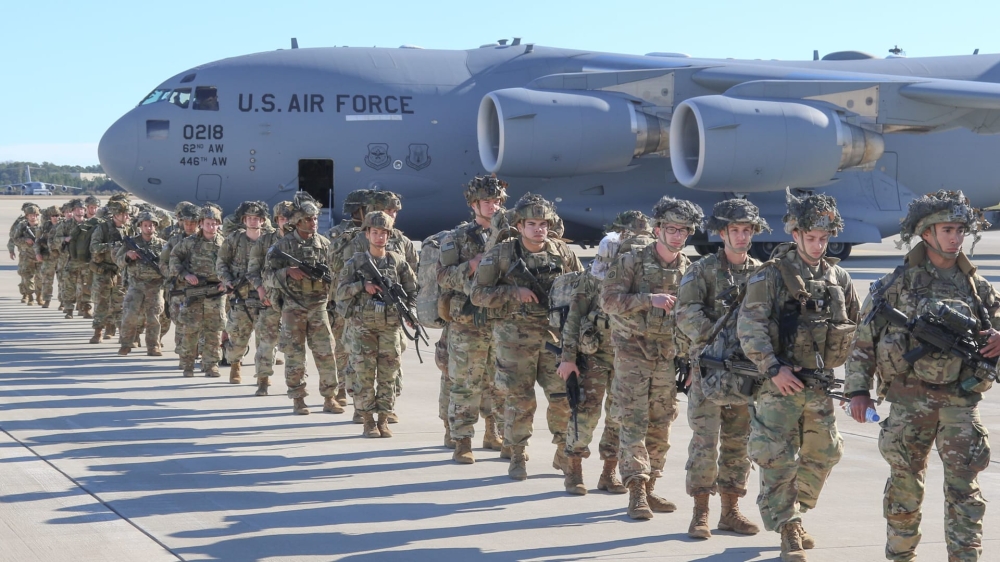
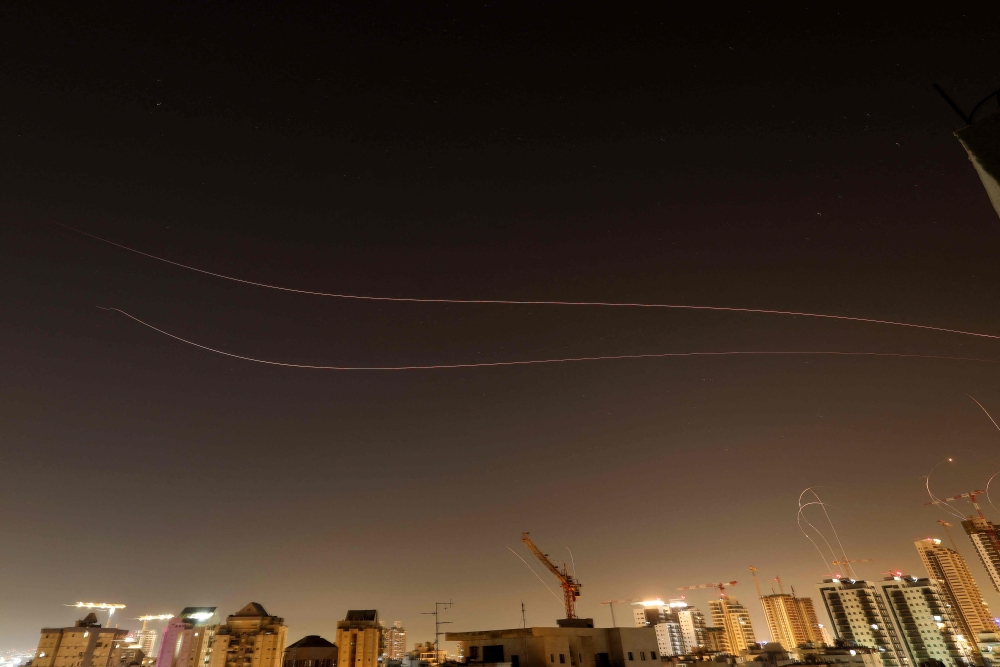
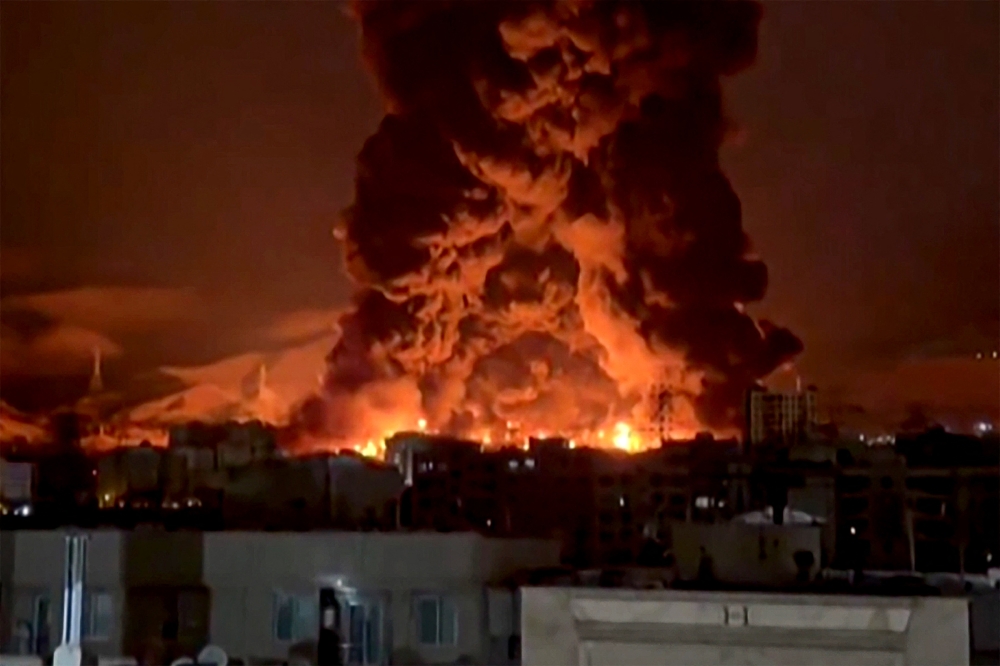
To understand the significance of this development, one must consider the broader context and historical background of US-Iranian relations, which have been characterized by decades of tension and estrangement. These tensions have escalated considerably since Washington’s withdrawal from the nuclear agreement (the Joint Comprehensive Plan of Action) in 2018 and the subsequent imposition of a “maximum pressure” campaign. These accumulated tensions culminated in the recent military confrontations, with the US and Israel launching extensive strikes last February. These events resulted in the death of Iranian Supreme Leader Ayatollah Ali Khamenei and the outbreak of a wider war in the Middle East, making a diplomatic settlement crucial to preventing the region from descending into complete chaos.
Terms of a US proposal to end the war and the nuclear issue
According to The New York Times, citing unnamed senior U.S. officials, the proposal was sent to Tehran through diplomatic channels in Pakistan, which has acted as a trusted mediator in the crisis. The proposal explicitly calls for a cap on uranium enrichment within the Islamic Republic and requires Tehran to surrender all its enriched uranium stockpile. This move comes in response to deep concerns expressed by both Israel and the United States, with Israel's Channel 12 reporting that the enriched material could be used to develop nuclear weapons.
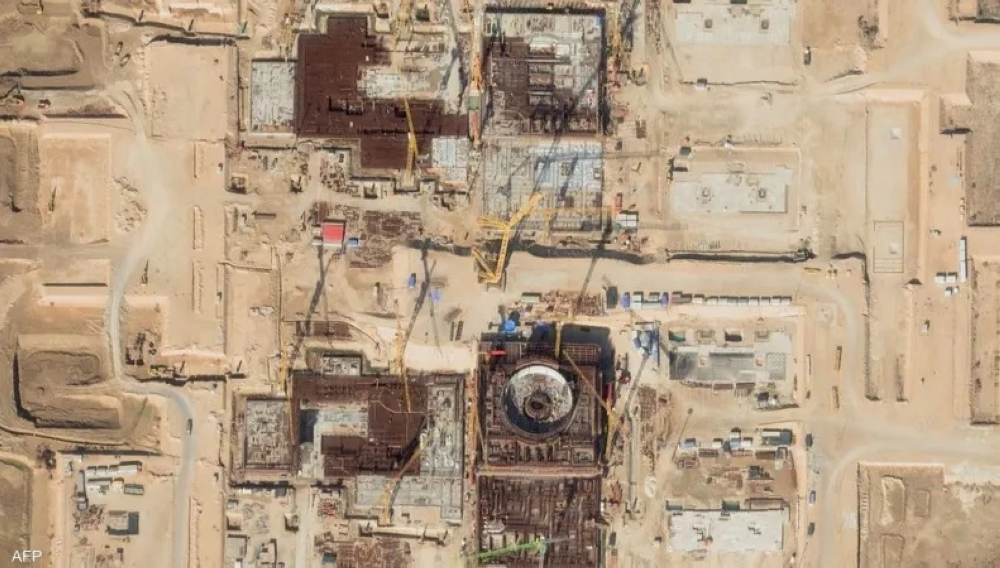
In contrast, the proposal offers major strategic incentives to Iran, most notably the complete lifting of all economic sanctions. The offer also includes technical and international assistance for developing Iran's civilian nuclear energy sector, specifically at the Bushehr nuclear power plant. This plant is a key and vital site, and it was recently targeted in a military strike that Tehran blamed on Israel last Tuesday.
Economic dimensions and the reopening of the Strait of Hormuz
The implications of this proposal extend far beyond the military and nuclear spheres, reaching into the very heart of the global economy. The proposed agreement stipulates that Iran be granted unimpeded freedom of navigation through the Strait of Hormuz. This strait is of paramount strategic importance, as approximately one-fifth of the world's daily oil production passes through it. The partial blockade previously imposed by Tehran has led to widespread disruptions in supply chains, causing a sharp and sudden surge in global energy prices. Securing this vital waterway would restore stability to international markets and mitigate global economic inflation.
Regional and international repercussions and reactions
This development is of paramount importance and is expected to have repercussions extending from the local level in Iran to the regional and international arenas. The success of this initiative could redraw the geopolitical map of the Middle East and pave the way for long-term economic and security stability. To date, the White House and the US State Department have remained silent, issuing no official comments either confirming or denying these reports.
On the other hand, former US President Donald Trump expressed cautious optimism regarding the diplomatic path with Iran. In remarks to reporters at the White House, Trump described recent developments as positive.
Trump told reporters at the White House, "It was a very large gift, worth a great deal of money." #Today
For more: https://t.co/tNFqE0IaaD pic.twitter.com/pp6wWy3t6p
— Al-Youm Newspaper (@alyaum) March 25, 2026