Polar storm kills 21 and plunges America into darkness
A severe polar storm has struck the United States, claiming the lives of at least 21 people in separate incidents and leaving more than 800,000 homes and businesses without power, leaving hundreds of thousands facing freezing temperatures in darkness. This storm is an extension of the polar vortex phenomenon, which has pushed a mass of icy air from the Arctic deep into the South, blanketing vast areas of the country.
Background to the phenomenon: the polar vortex and climate change
The polar vortex is a broad, low-pressure system of cold air that typically circulates over the poles. Under normal conditions, a powerful jet stream keeps this air contained in the polar regions. However, scientists link global warming, particularly the Arctic's faster warming rate compared to the rest of the planet, to a weakening of the jet stream. This weakening allows the polar vortex to undulate and expand southward, leading to unusually severe cold waves in areas such as the United States and Europe. This storm is the latest in a series of extreme weather events that have struck the country in recent years, reigniting the debate about how well infrastructure is prepared to meet the challenges of a changing climate.
Widespread impacts on daily life and infrastructure
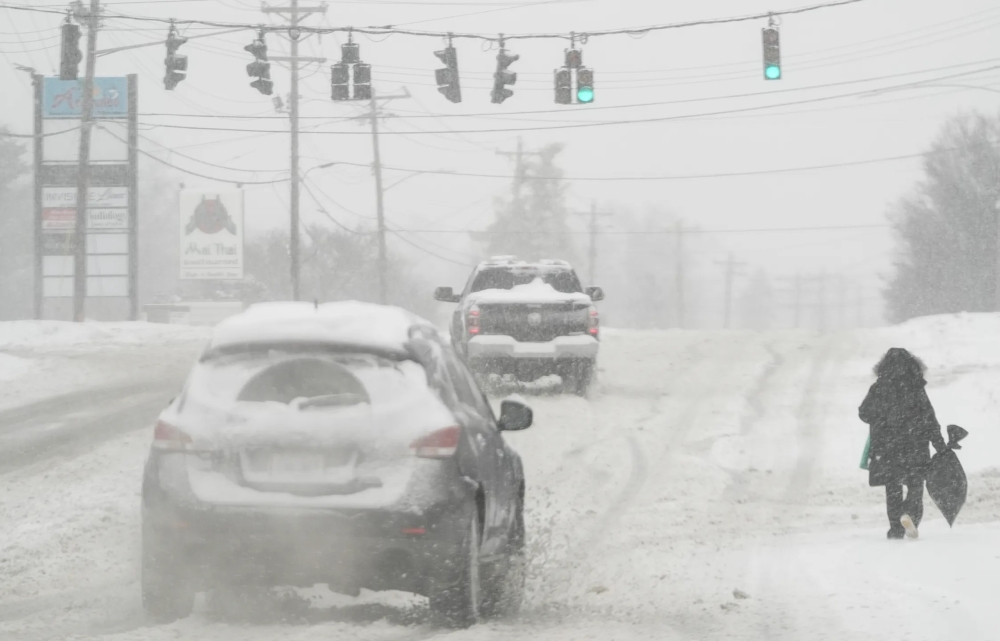
The storm's impact extended to approximately 20 states, which declared a state of emergency. In the Great Lakes region and the northern part of the country, the National Weather Service recorded temperatures plummeting to below -20°C, and reaching as low as -30°C in parts of Minnesota and Wisconsin. With the wind chill, residents felt temperatures as low as -45°C, posing a potentially fatal risk of exposure to extreme cold.
Heavy snowfall and ice accumulation caused power lines to collapse under the weight, particularly in southern states like Tennessee and Mississippi, which lack the infrastructure to handle such conditions. According to the specialized website PowerOutage, the most severe outages were concentrated in these areas, where emergency crews faced significant challenges in repairing damage as the storm continued. Meteorologist Alison Santorelli warned that power outages could persist for several more days, given that these regions lack the resources to quickly clear snow and debris.
Paralysis in transportation and loss of life
Severe weather conditions have brought transportation to a near standstill. More than 19,000 flights have been canceled since Saturday, with thousands more delayed, affecting major airports in Washington, Philadelphia, and New York. Roads have also become slippery and dangerous, leading to fatal traffic accidents.
The 21 deaths were spread across several states. Authorities in Texas confirmed three deaths, while two people died in Louisiana from hypothermia, and five homeless people perished in New York, highlighting the danger faced by the most vulnerable populations during these natural disasters. Amid the crisis, former President Donald Trump stirred controversy with a tweet on his Truth Social platform, mocking global warming by asking, "Can these environmentalists explain to me what happened to warming?" This statement ignores the scientific consensus linking climate change to the increased frequency and intensity of such storms.