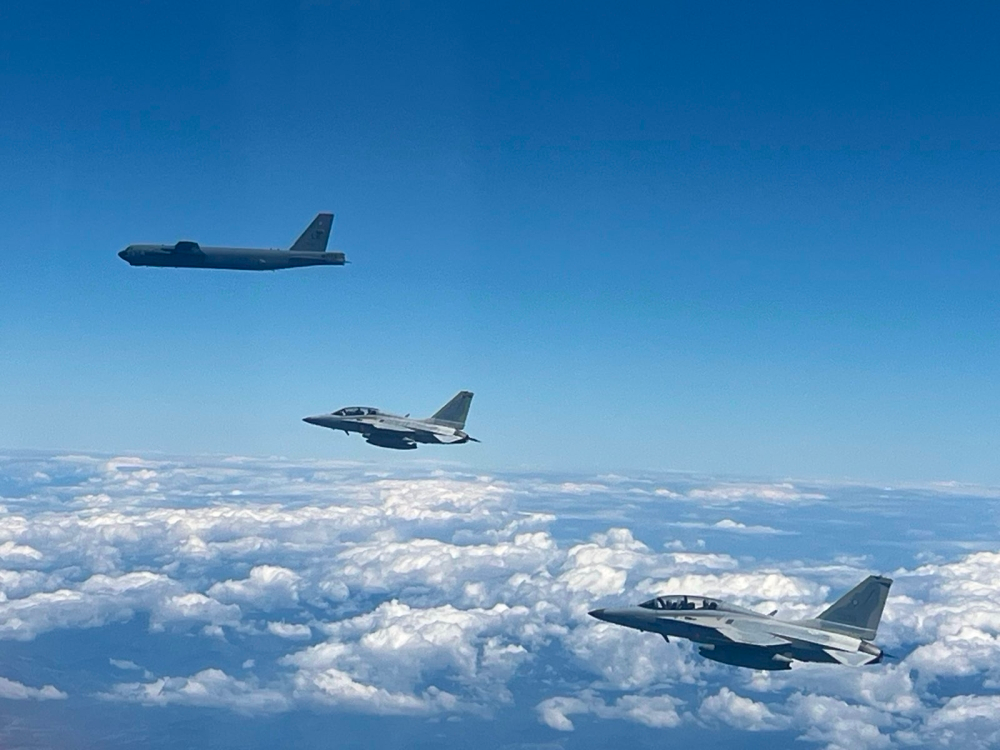
The Philippine Air Force announced it conducted a series of joint military exercises with its US counterpart between February 2nd and 6th at multiple locations on the strategic island of Luzon and over the waters of the West Philippine Sea. These maneuvers come at a time of escalating geopolitical tensions in the South China Sea, underscoring the growing importance of the long-standing security alliance between Washington and Manila.
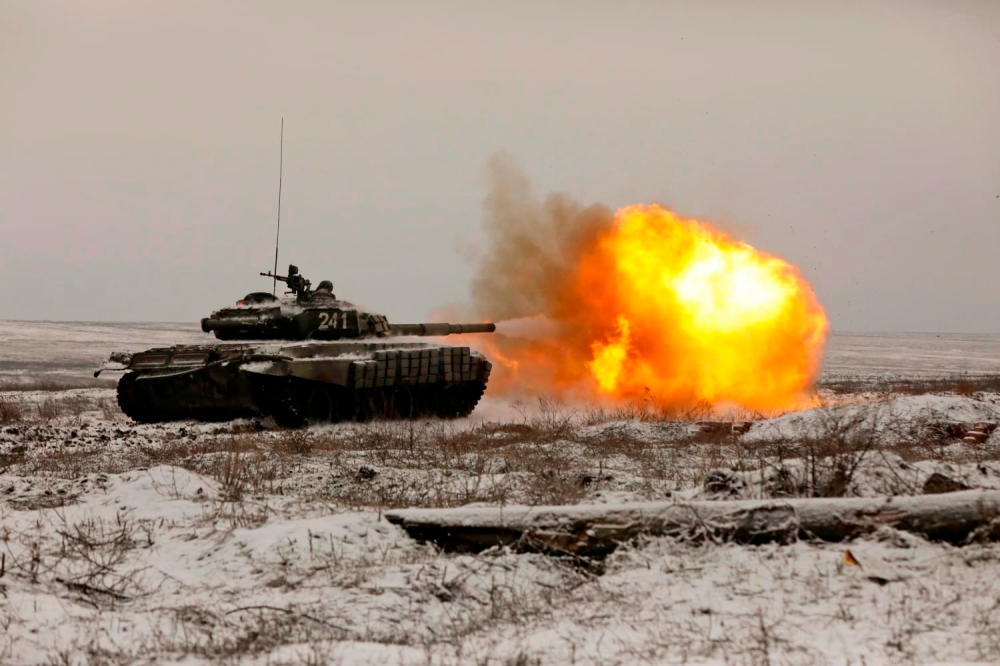
In an official statement, Philippine Air Force spokesperson Cristina Pascua explained that the bilateral exercises included coordinated air activities aimed at “enhancing cooperation and interoperability between Philippine and U.S. forces.” The exercises included joint bomber air patrols and live-fire drills conducted at Ernesto Rabena Air Base in Tarlac and over the western Philippine Sea, with support from U.S. Special Operations Command and U.S. Marines.
Historical background and regional context
The defense relationship between the United States and the Philippines is based on the 1951 Mutual Defense Treaty, which obligates both parties to defend each other in the event of an armed attack. This partnership has grown significantly in recent years, a direct response to China’s more assertive policies in the South China Sea. Beijing claims sovereignty over nearly 90% of this vital waterway, a claim rejected by the Philippines and other countries in the region, based on international law and a 2016 ruling by the Permanent Court of Arbitration in The Hague that invalidated China’s historical claims.
Strategic importance and expected impact
These exercises are of major strategic importance on several levels. Domestically , they contribute to modernizing the Philippine Armed Forces' defense capabilities and enhancing their ability to protect their sovereignty and exclusive economic zones. Regionally , these maneuvers represent a clear deterrent message to China, underscoring the strength of the US-Philippine alliance and Washington's commitment to the security of its allies in the Indo-Pacific region. They also reassure other neighboring countries that have similar disputes with Beijing. Internationally , these exercises are part of the broader US strategy to ensure freedom of navigation and overflight in international waterways, counter China's growing influence in the region, and maintain a rules-based international order.