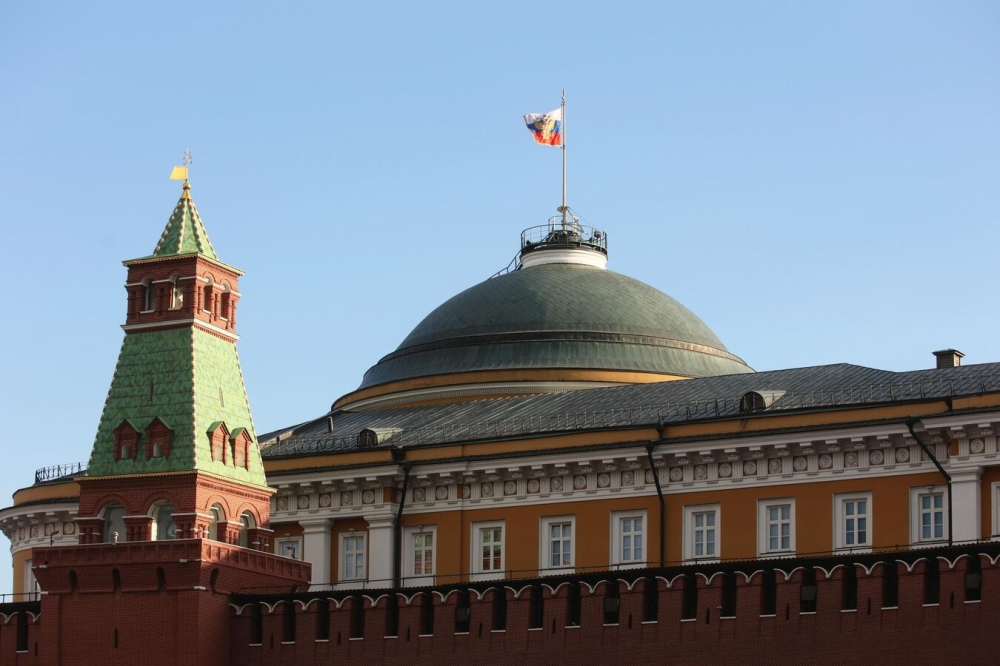
أعلن الكرملين رسمياً عن استلام موسكو لأحدث نسخة من خطة السلام الأمريكية المقترحة لإنهاء الحرب في أوكرانيا، في تطور يفتح الباب أمام مرحلة جديدة من التكهنات الدبلوماسية حول مستقبل الصراع الذي دخل عامه الثالث. يأتي هذا الإعلان في وقت حساس، حيث تتزايد الضغوط الدولية لإيجاد مخرج سلمي للحرب التي أودت بحياة مئات الآلاف وخلفت دماراً هائلاً.
من جانبه، أبدى الرئيس الأوكراني فولوديمير زيلينسكي استعداداً مبدئياً للتعامل مع المبادرة، معتبراً أن المبادئ التي تتضمنها الخطة المعدلة قد تمثل أساساً لاتفاقيات أوسع وأكثر عمقاً في المستقبل. وفي خطابه اليومي، أكد زيلينسكي أن “الأمور أصبحت تعتمد بشكل كبير على أمريكا”، مشيراً إلى أن “روسيا تولي اهتماماً كبيراً للقوة الأمريكية”. وأضاف: “أعول على مزيد من التعاون الفعال مع الجانب الأمريكي ومع الرئيس دونالد ترامب”.
خلفية الصراع ومبادرات السلام السابقة
اندلعت الحرب الروسية الأوكرانية على نطاق واسع في فبراير 2022، لتشكل أكبر صراع عسكري في أوروبا منذ الحرب العالمية الثانية. ومنذ بدايتها، مرت الحرب بمراحل متعددة من التصعيد العسكري والمبادرات الدبلوماسية التي لم تكلل بالنجاح، بما في ذلك محادثات إسطنبول في الأسابيع الأولى من الغزو. ومع استمرار الجمود في ساحة المعركة وتزايد التكلفة البشرية والاقتصادية، عادت الجهود الدبلوماسية إلى الواجهة، مدفوعة هذه المرة بشخصيات سياسية مؤثرة مثل الرئيس الأمريكي السابق دونالد ترامب، الذي جعل إنهاء الحرب أحد وعوده الانتخابية الرئيسية.
أهمية الخطة وتأثيرها المحتمل
تكتسب هذه الخطة أهمية خاصة كونها تأتي من فريق الرئيس الأمريكي السابق دونالد ترامب، مما يعكس تحولاً محتملاً في السياسة الخارجية الأمريكية تجاه الصراع في حال فوزه في الانتخابات المقبلة. ورغم أن تفاصيل الخطة لم تُكشف بالكامل، إلا أن التسريبات تشير إلى أنها قد ترتكز على تجميد القتال على طول خطوط الجبهة الحالية كخطوة أولى نحو مفاوضات أوسع. هذا النهج يثير قلقاً في كييف وبعض العواصم الأوروبية من أنه قد يكافئ روسيا على عدوانها ويضفي الشرعية على سيطرتها على الأراضي الأوكرانية.
ومع ذلك، أشار زيلينسكي إلى وجود “نقاط حساسة” يرغب في مناقشتها مباشرة مع ترامب، مؤكداً استعداده للقائه. وقال أمام حلفاء أوكرانيا: “لدى أوكرانيا الإطار الذي وضعته فرقنا في جنيف، هذا الإطار مطروح على الطاولة، ونحن مستعدون للمضي قدماً معاً”. كما شدد الرئيس الأوكراني على ضرورة إشراك القادة الأوروبيين في أي مفاوضات تتعلق بأمن القارة، في رسالة واضحة بأن أمن أوكرانيا جزء لا يتجزأ من الأمن الأوروبي. يبقى مستقبل هذه المبادرة غامضاً، لكنها تمثل بلا شك متغيراً جديداً في المعادلة المعقدة للصراع الأوكراني.