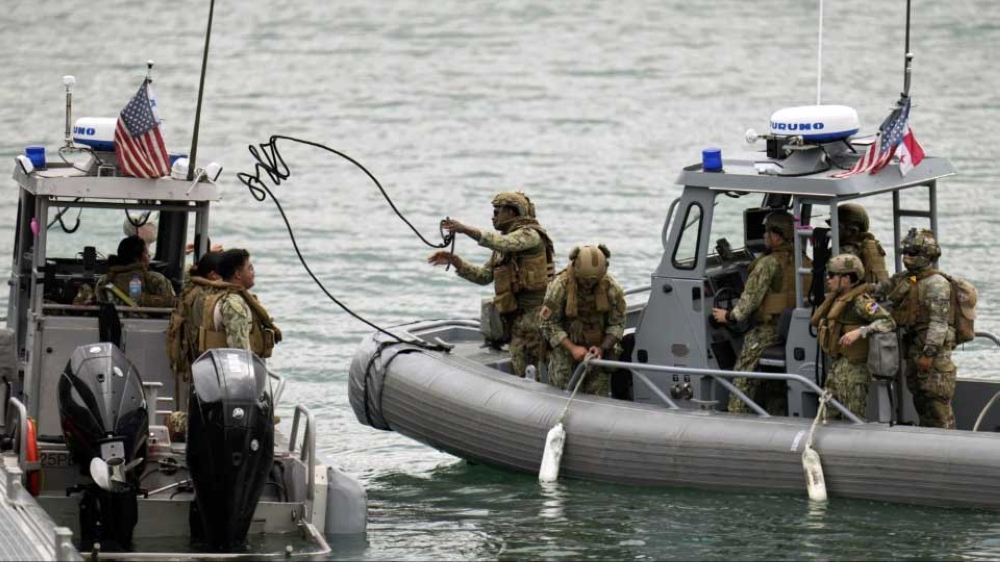
Panama's Ministry of Security announced on Monday the start of joint military exercises between Panamanian security forces and U.S. naval forces, a strategic move aimed at bolstering the protection of the vital Panama Canal. These exercises, which will continue until February 26, come at a time of significant geopolitical and security shifts in the region, necessitating heightened readiness and response to potential threats.
According to the official statement, approximately 50 U.S. Marines are participating in these operations, along with 61 specialized units from the Panamanian Navy, Air Force, and Border Police (Synafront). The intensive training program aims to enhance interoperability and standardize operational concepts for responding to emergency scenarios that could threaten the safety of navigation in this international waterway.
Strategic importance and political background
These maneuvers are particularly significant given the pivotal role the Panama Canal plays in global trade, serving as a vital artery connecting the Atlantic and Pacific Oceans. This move culminates a new diplomatic path between the two countries, with Panamanian President José Raúl Molina announcing on January 2nd that the chapter of disagreements with Washington had been closed. Relations had been noticeably strained following US President Donald Trump's threats in 2025 to reclaim control of the canal, citing concerns about growing Chinese influence in the management of this vital facility.
Diplomatic efforts culminated in the signing of a security cooperation agreement in April 2025, marking a turning point in bilateral relations. This three-year agreement, renewable for further three years, allows the United States to use Panamanian air and naval bases for training and joint operations—a move observers considered a strategic concession by Panama to ensure stable relations with Washington and protect the canal from international disputes.
A tense regional context and drug control
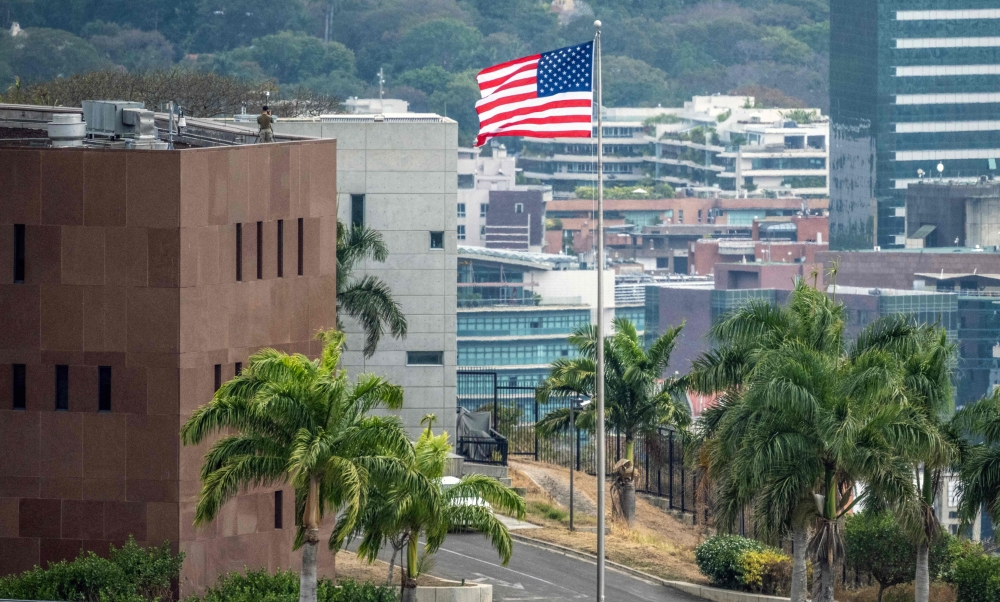
These maneuvers cannot be separated from the broader security context in the Caribbean and Latin America. The exercises coincided with the deployment of a US naval fleet to the region as part of a broader campaign against drug trafficking and organized crime. This campaign saw a significant escalation with the military operations targeting the regime of Venezuelan President Nicolás Maduro, culminating in his arrest and transfer to the United States to stand trial on charges related to “narco-terrorism.”.
The data indicates that US operations in the region are characterized by extreme resolve, with air and naval strikes in the Pacific and Caribbean Seas since last September resulting in the deaths of at least 115 individuals whom Washington described as drug traffickers. Therefore, the current maneuvers in Panama are not limited to protecting the canal in the traditional sense, but are part of a comprehensive US strategy to reshape security in the Western Hemisphere and ensure control over strategic waterways.