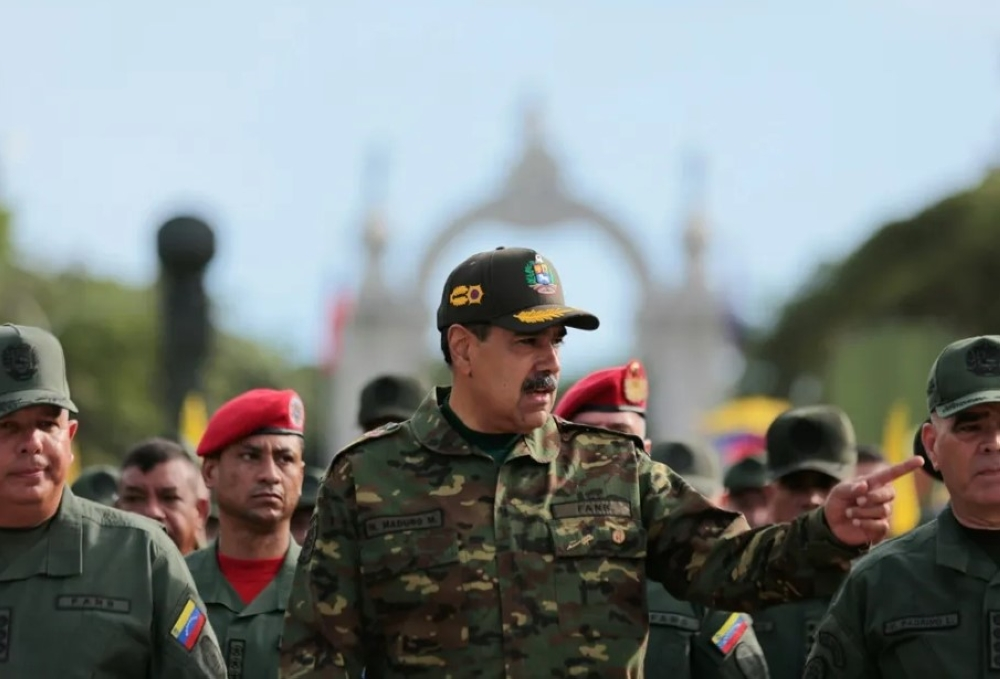
Republican Senator Marquin Mullen revealed that the United States offered Venezuelan President Nicolás Maduro safe passage out of the country, a statement that underscores the depth of the political crisis and escalating tensions between Washington and Caracas. This revelation comes as the administration of former US President Donald Trump pursued a policy of “maximum pressure,” including the deployment of military forces to the Caribbean, aimed at forcing Maduro to relinquish power.
Background to the ongoing Venezuelan crisis
The roots of the Venezuelan crisis go back many years, but it worsened dramatically after the death of President Hugo Chávez and the rise of Nicolás Maduro to power in 2013. Despite possessing the world's largest proven oil reserves, Venezuela faced a catastrophic economic collapse that led to hyperinflation, severe shortages of food and medicine, and the mass exodus of millions of its citizens. The political crisis escalated after the 2018 presidential election, which the opposition and many countries, including the United States and the European Union, deemed fraudulent and illegitimate. As a result, Washington recognized opposition leader Juan Guaidó as the country's interim president and imposed a series of harsh economic sanctions on the Maduro government and the vital oil sector.
Maximum pressure policy and military dimension
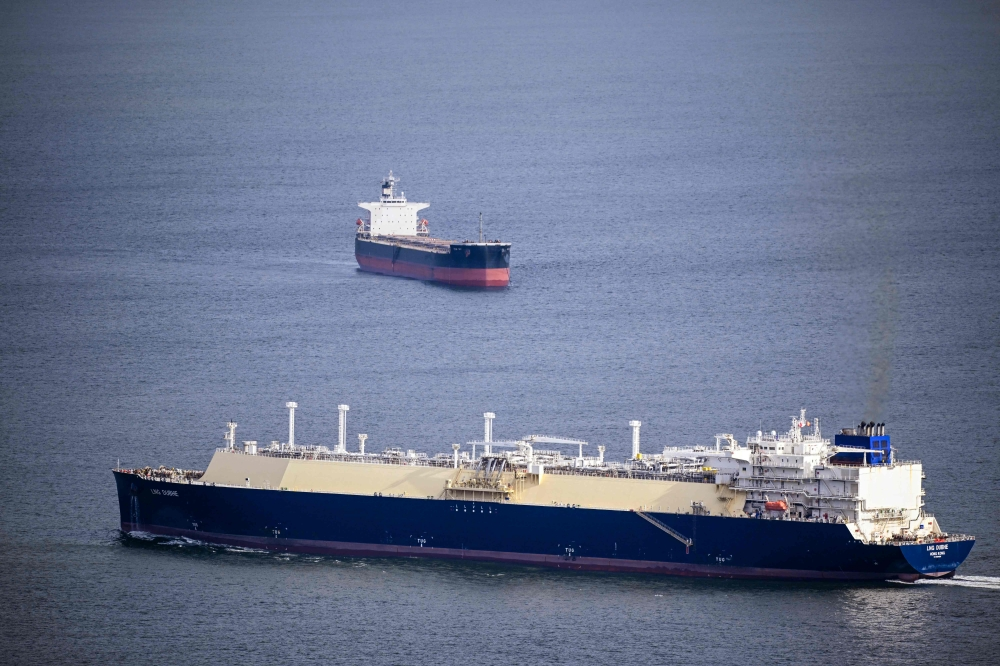
Senator Mullen's statement, in which he affirmed that Maduro should be given "a chance to leave for Russia or another country," reflects the hardline US policy. These remarks coincided with significant US military movements in the region. President Trump ordered the deployment of naval vessels to the Caribbean, including destroyers and surveillance ships, under the pretext of combating drug trafficking operations in which Washington accuses senior officials in Maduro's government of involvement. Caracas, for its part, condemned these moves as a "colonial threat" and a pretext for a possible military intervention, and responded by conducting military exercises along its coast.
Importance and potential impacts
This escalation has significant repercussions on multiple levels. Domestically , it further isolates the Maduro regime and places additional pressure on the military, which is the main pillar of his hold on power. Regionally , it raises concerns among neighboring countries like Colombia and Brazil, which host millions of Venezuelan refugees and fear the spillover of instability. Internationally , the Venezuelan crisis is emerging as an arena for geopolitical competition. While the United States and its allies are leading the pressure on Maduro, countries like Russia and China are providing diplomatic, economic, and military support to his government, complicating any potential solutions. Statements by prominent Republicans, such as Senator Lindsey Graham, who described Venezuela as a “narco-terrorist state” and called for “ending this madness,” indicate that the option of regime change remains firmly on the table in Washington, leaving Venezuela’s future fraught with uncertainty and risk.