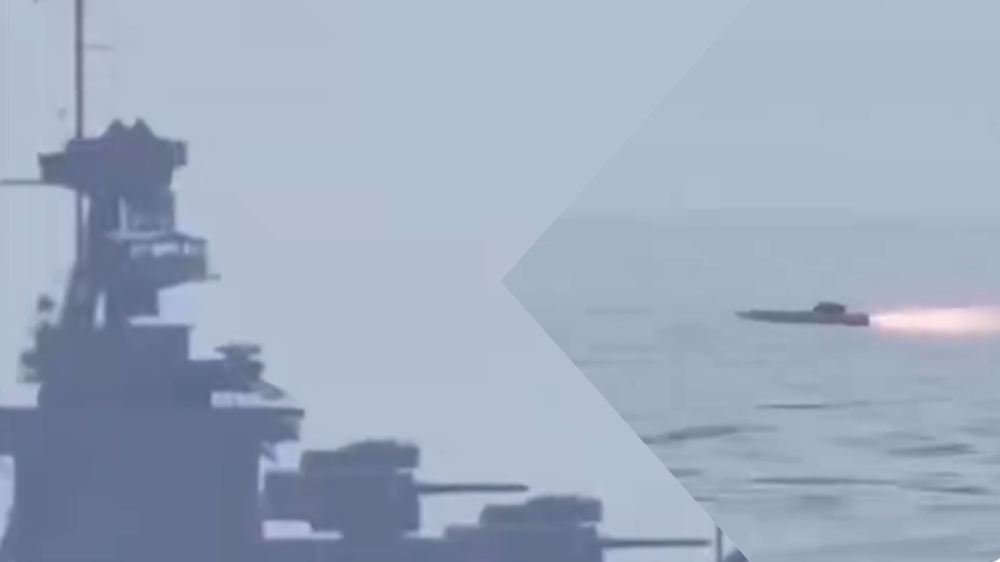
In a significant military escalation, the US Central Command announced it had conducted precision airstrikes targeting Iranian anti-ship missile sites near Strait of Hormuz . This move comes amid heightened tensions in the region, with US forces employing 5,000-pound bunker-buster bombs, among the most lethal and advanced weapons in the US arsenal, to ensure the destruction of fortified military infrastructure threatening international shipping.
Strategic importance and history of tensions in the Strait of Hormuz
The Strait of Hormuz is one of the world's most important and sensitive waterways, connecting the Persian Gulf, the Gulf of Oman, and the Arabian Sea. Its geopolitical and economic significance lies in its role as a vital artery for global energy supplies, with approximately one-fifth of the world's daily crude oil consumption passing through it. Historically, this strait has been the scene of numerous tensions and conflicts between the United States and Iran, from the "Tanker War" of the 1980s to the recurring incidents in recent years involving the seizure of commercial vessels and attacks on oil tankers. This historical context makes any military action in this sensitive region a major global event, as Washington constantly strives to ensure freedom of navigation and prevent any threat that could disrupt energy supplies.
Details of the military operation and securing international navigation
In an official statement released on its official Twitter account on Tuesday, U.S. Central Command (CENTCOM) explained that U.S. forces successfully used several advanced bunker-buster munitions to strike heavily fortified sites on the Iranian coast. The statement emphasized that Iranian anti-ship cruise missiles deployed at these sites posed a direct and imminent threat to international shipping and commercial vessels transiting the Strait of Hormuz. The use of bombs of this size and destructive capability sends a clear message of deterrence and underscores the U.S. commitment to protecting international waterways from any military threats.
Expected effects of strikes near the Strait of Hormuz
This military escalation has far-reaching consequences on several levels. Locally and regionally, the region is expected to witness a state of heightened security and military alert in anticipation of any potential reactions, further complicating the security landscape in the Middle East. Internationally, the most significant impact is felt directly in global energy markets, where such events typically lead to sharp fluctuations in oil prices due to fears of supply disruptions. Furthermore, maritime trade is significantly affected, as shipping companies may be forced to raise insurance premiums for vessels transiting the region or even seek more expensive alternative routes, ultimately impacting the global economy as a whole.
The US administration's stance and Trump's criticism of NATO
In a related development, US President Donald Trump sharply criticized several NATO member states for their refusal to assist the United States in securing the Strait of Hormuz , which has been closed due to Iranian attacks and threats amid the US-Israeli conflict, calling it a “stupid mistake.” Speaking from the Oval Office and via his Truth Social account, Trump asserted that he no longer needed allies’ help to secure this vital strategic waterway for the global economy. His criticism also extended to British Prime Minister Keir Starmer, whom he accused of making the wrong choice by not supporting Washington in the ongoing conflicts in the Middle East.