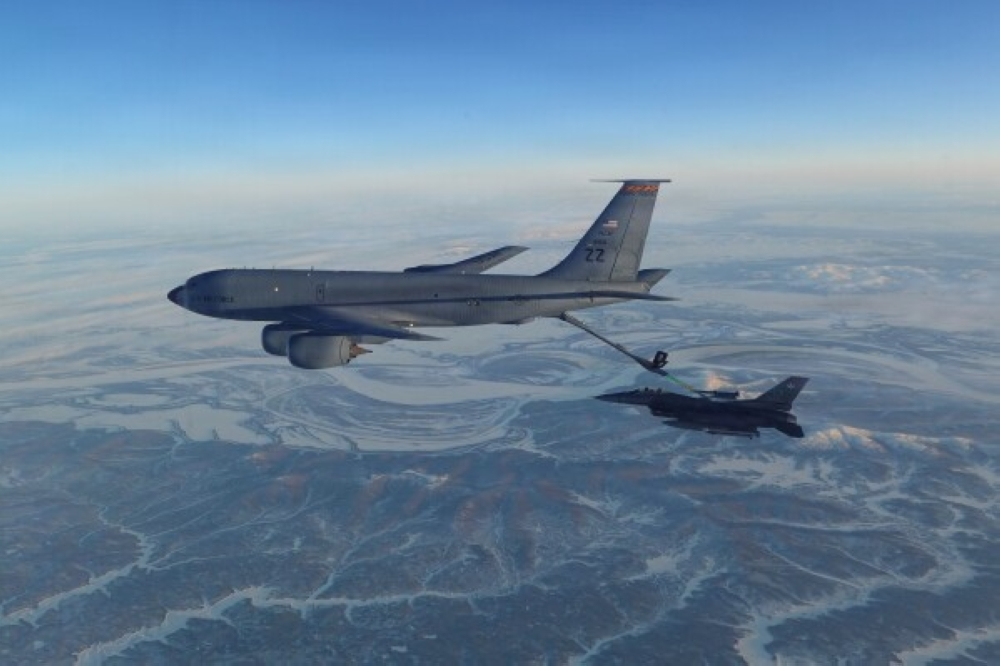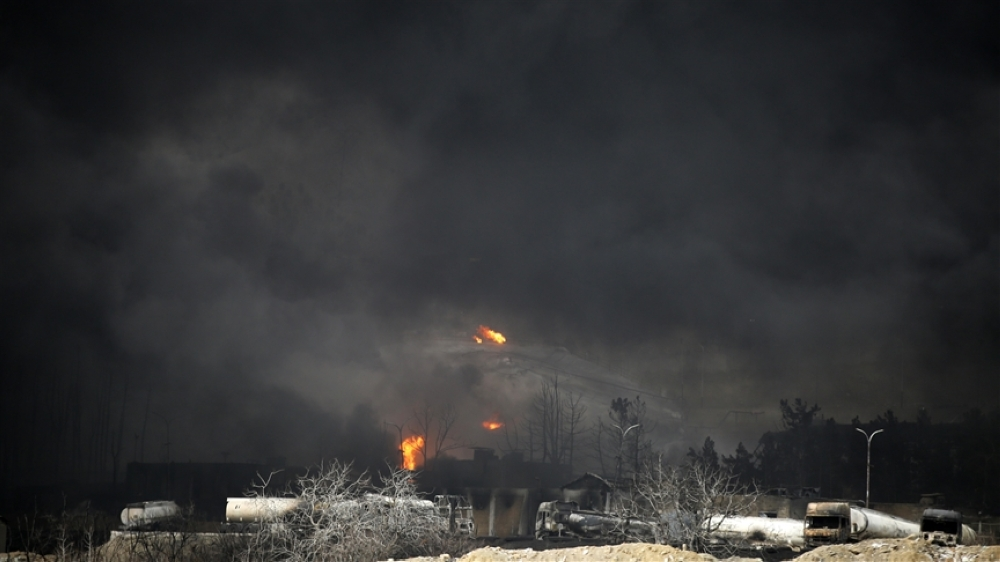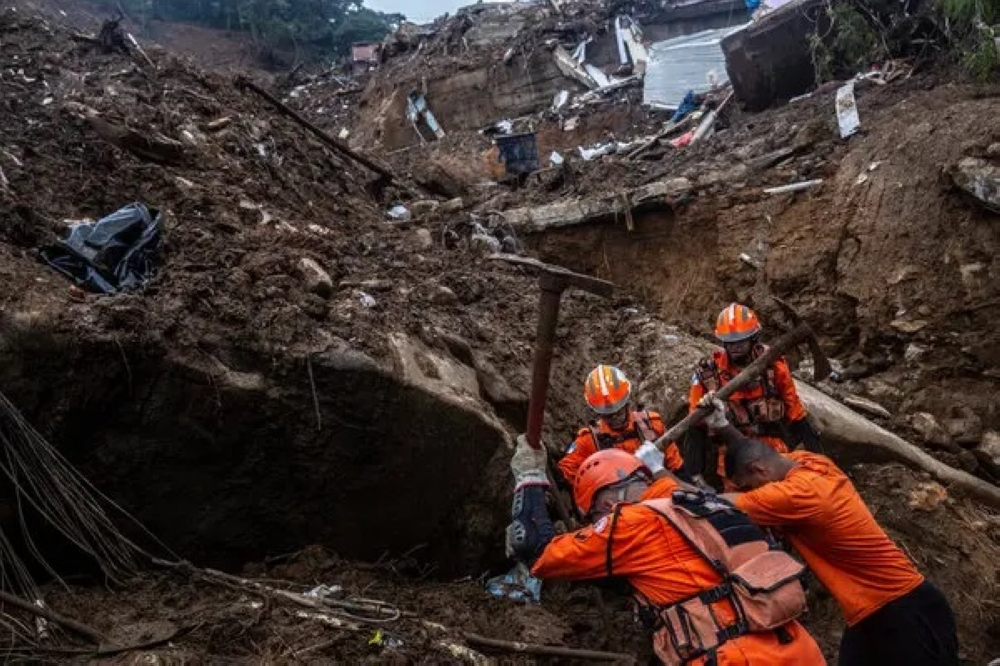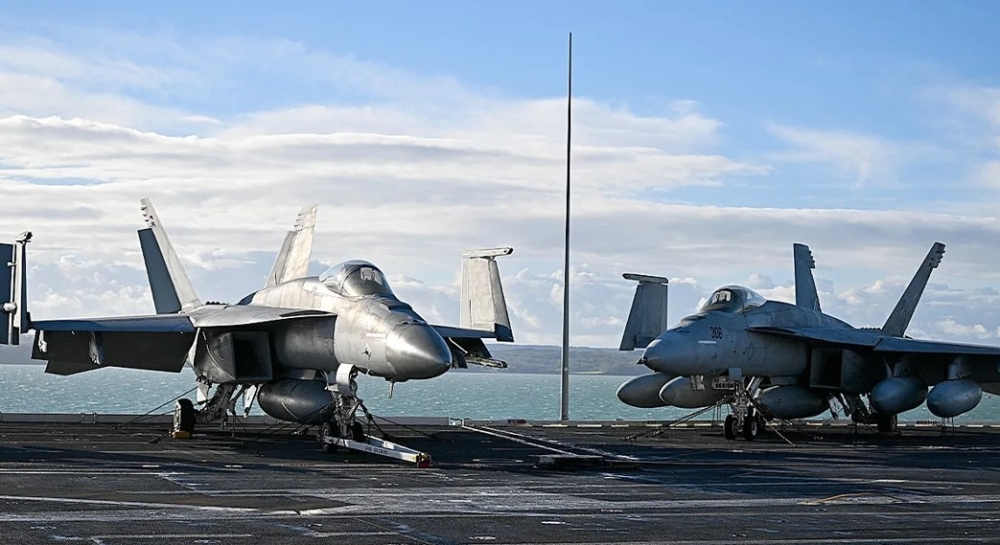
The Caribbean region has witnessed significant military developments in recent weeks, with the US military a series of intensive air sorties over the Venezuelan coast, employing a diverse arsenal that included fighter jets, strategic bombers, and reconnaissance drones. These movements come at a time of growing international concern about the potential for direct armed conflict between Washington and Caracas, given the diplomatic impasse between the two countries.
Details of US military movements
According to observed data, two US Navy F/A-18 fighter jets flew over the Gulf of Venezuela for over 40 minutes, approaching within just over 35 kilometers of the coast, supported by another fighter jet that was flying north at the start of the mission. The operations were not limited to fighter jets; they also included a long-range reconnaissance drone that flew 800 kilometers over the Caribbean Sea, marking the first time such signals have been detected in about a month.
Military reports also recorded five sorties by B-1 and B-52 heavy strategic bombers, as well as additional sorties by F/A-18 fighter jets, within 40 kilometers of the Venezuelan coast between late October and late November. Images released by the US military showed bombers escorted by advanced F-35 stealth fighters, which did not appear on standard civilian radar tracking systems.
The context of the anti-drug operation and political tension
Washington frames these moves as part of a broader effort to combat drug trafficking in the region. The United States has amassed a large fleet of warships in the Caribbean and, since September, has launched strikes against suspected drug-trafficking vessels, resulting in the deaths of approximately 90 people. The US administration accuses Venezuelan President Nicolás Maduro of leading a drug trafficking ring and has offered a substantial reward of $50 million for information leading to his capture.
Background of the conflict and its geopolitical dimensions
This military escalation cannot be separated from the historically tense backdrop of US-Venezuelan relations, which have deteriorated sharply in recent years. Caracas views these moves with suspicion, with leftist President Nicolás Maduro accusing Washington of using the pretext of combating drug trafficking as a cover for attempting to forcibly change the regime in Venezuela and seize control of the country's oil resources.
This military buildup carries strategic implications that extend beyond regional borders, as it is seen as a show of force directed not only at the Venezuelan regime but also at its international allies. Political circles fear that any miscalculated clash between US and Venezuelan forces could ignite a war that would destabilize all of Latin America.
In a statement reflecting the severity of the situation, US President Donald Trump told Politico that “Maduro’s days are numbered,” and did not rule out the option of a ground invasion, which puts the region in front of open scenarios and serious security challenges in the near future.