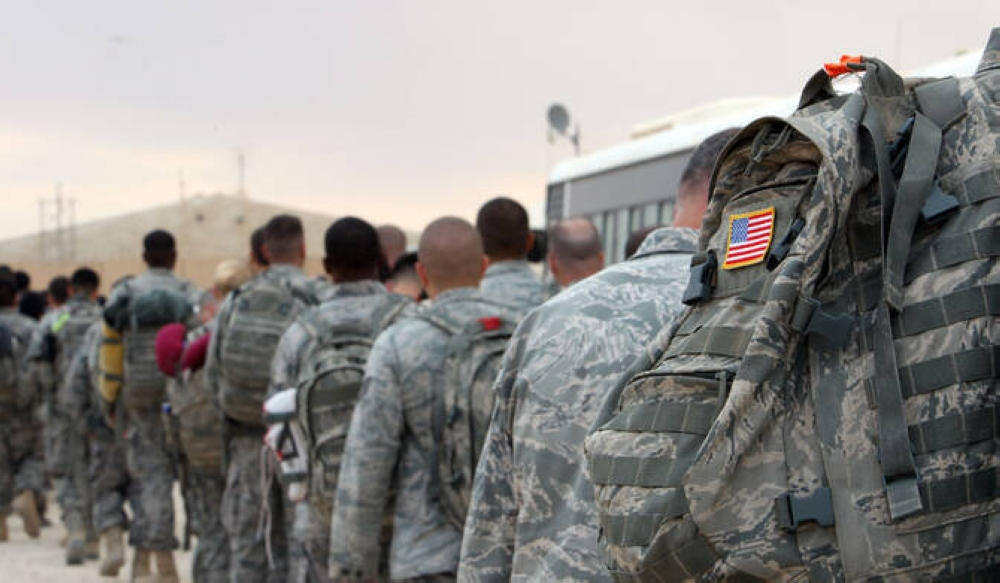
A U.S. military spokesman announced on Monday that nearly 200 American troops stationed in the Middle East have been wounded since the start of the conflict with Iran. These developments come amid escalating military tensions in the region. Captain Tim Hawkins, spokesman for U.S. Central Command, detailed the injuries, stating that “most of these injuries are classified as minor, and more than 180 have already returned to duty, while 10 remain in serious condition and are receiving necessary medical care.”.
The roots of tension and military escalation in the Middle East
The recent events were not spontaneous, but rather the culmination of decades of simmering tensions between Washington and Tehran. This conflict stems from clashing strategic interests in the Middle East, and its intensity escalated significantly after the United States withdrew from the Iran nuclear deal in 2018 and imposed crippling economic sanctions on Tehran. Since then, the region has witnessed a shadow war punctuated by proxy attacks in various countries. With the current escalation, these tensions have transformed into direct and indirect targeting of US military bases across the region, explaining the rising number of casualties among American soldiers.
Huge economic and military losses in the war on Iran
On the other hand, Tehran is suffering heavy losses as a result of this ongoing escalation. Israeli estimates indicate that Tehran has incurred approximately $20 billion in economic and military losses due to the war on Iran, according to a report broadcast by Al Arabiya. Reports and analyses suggest that the intense fighting in Iran could last for about six weeks, with expectations that the increasing military and economic pressure could have serious repercussions for the stability of the Iranian regime, with some suggesting that it may not be long before the regime falls.
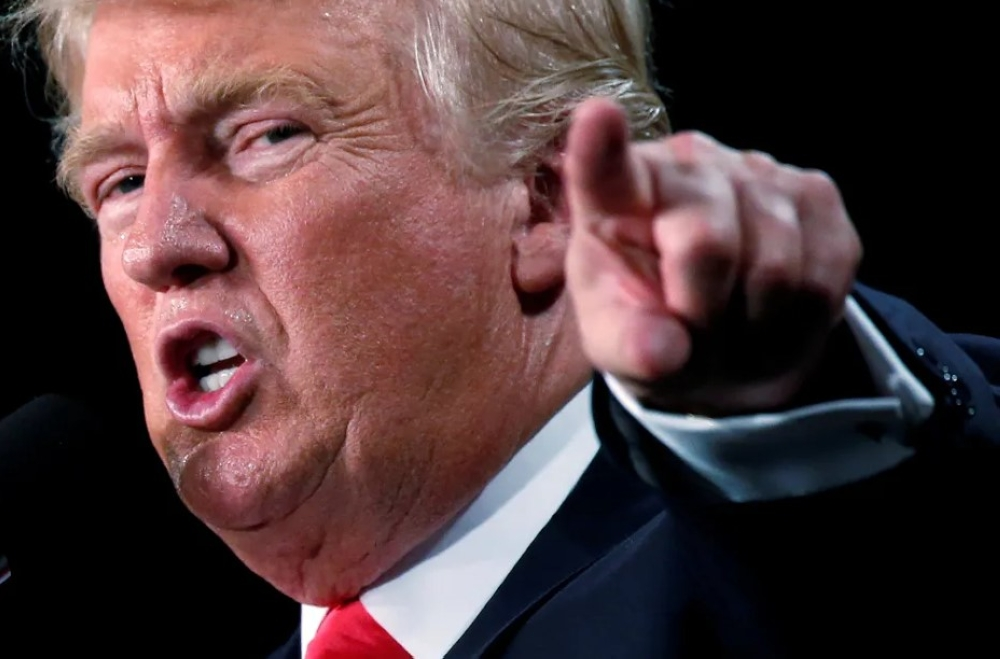
#Trump : #Iran is using #artificial_intelligence to search for false victories, and this is the truth behind Israel's intention to strike #Tehran with a nuclear bomb.
For more | https://t.co/O1whwGU2fk #Today pic.twitter.com/IOfyL72iuT
— Al-Youm Newspaper (@alyaum) March 16, 2026
Regional and international repercussions of the conflict
This armed conflict has dimensions that extend beyond the geographical borders of the two countries, threatening serious repercussions at both the regional and international levels. Economically, these confrontations raise global concerns about the security of energy supplies, especially since the Arabian Gulf region and the Strait of Hormuz represent a vital artery for the flow of global oil. Any further escalation could lead to unprecedented spikes in energy prices. From a security perspective, the continuation of military operations threatens to plunge the entire region into deeper crises, potentially prompting other international powers to intervene to protect their strategic interests.
Revolutionary Guard threats to American companies
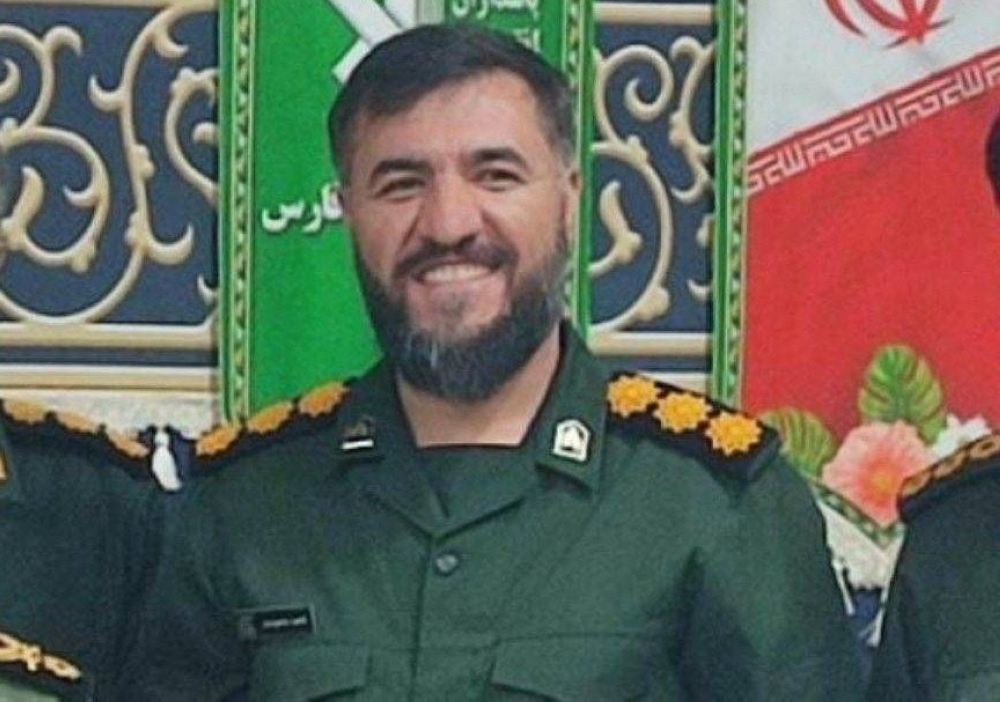
In a dangerous escalation reflecting the scale of the conflict, Iran’s Revolutionary Guard warned American companies operating in the region on Monday, threatening to target them directly and urging their employees to evacuate immediately. This came on the seventeenth day of the conflict in the region. The Revolutionary Guard stated in an official statement published on its website, Sepah News: “Employees of American companies… are required to leave these locations immediately. These sites will soon become targets for the Islamic Revolutionary Guard Corps.” This explicit threat places American commercial and economic interests in direct danger and poses unprecedented security challenges for the US administration in how to protect its citizens and assets in the Middle East.