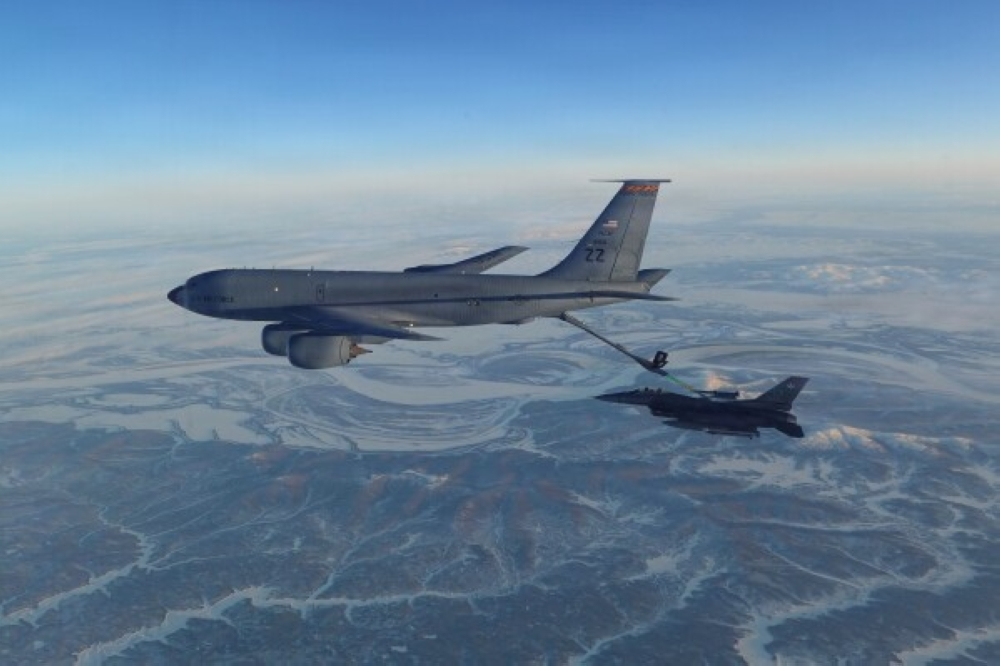
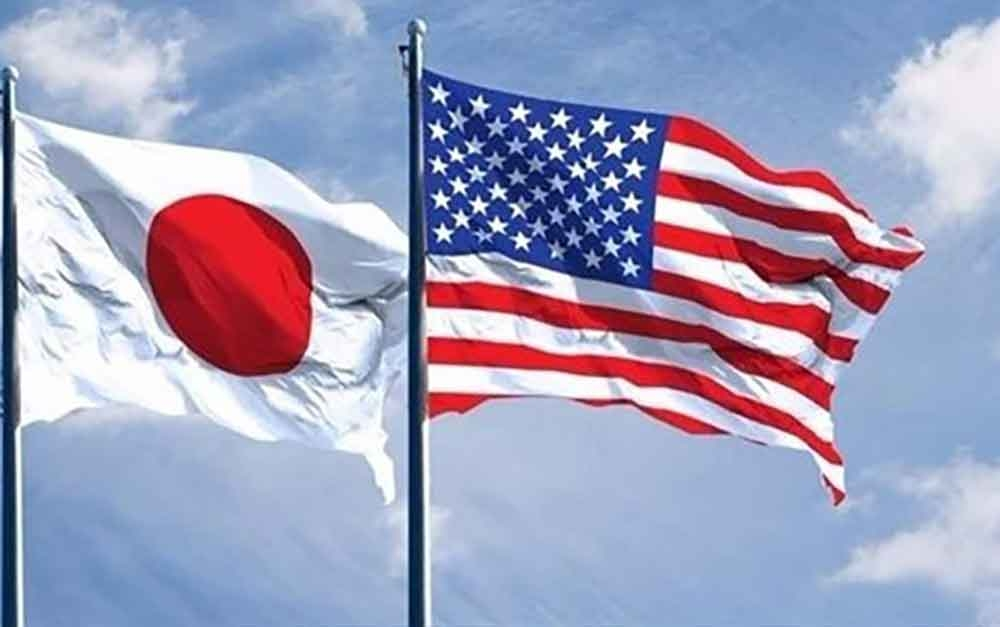
Tokyo announced on Friday that Japanese Defense Minister Shinjiro Koizumi and his US counterpart, Pete Higseth, agreed during high-level telephone talks that China's recent military moves "do not contribute to regional peace," amid escalating geopolitical tensions in East Asia.
The Japanese Ministry of Defense stated in an official statement that the two sides "exchanged frank and in-depth views on the alarming deterioration of the security situation in the Indo-Pacific region." The discussions focused particularly on the serious incident on December 6, in which Chinese military aircraft locked their fire control radar onto Japanese Self-Defense Force aircraft—an act considered a hostile precursor to direct engagement in military terms.
Dangerous escalation and regional tension
The two ministers expressed their "deep concern" over any unilateral actions that could forcibly alter the status quo or escalate regional tensions. This intensified US-Japanese coordination comes at a time of noticeably strained relations between Tokyo and Beijing, exacerbated by Japanese Prime Minister Sanae Takaichi's remarks last month regarding Taiwan, which China deemed interference in its internal affairs.
Strategic background of the alliance
These talks are particularly important given the historical context of the US-Japan security alliance, a cornerstone of Washington's Indo-Pacific strategy. Both countries seek to strengthen their joint deterrence capabilities in the face of China's growing maritime expansion, especially around the disputed Senkaku (Diaoyu) Islands and the Taiwan Strait, a vital artery for global trade.
Repercussions of the situation on international security
Observers believe that the continuation of these military provocations could lead to dire consequences not only at the local level but also extending to global economic security. Trillions of dollars in maritime trade pass through the Indo-Pacific region annually. Therefore, any ill-considered military confrontation could draw other international powers into the conflict, threatening global supply chains and increasing uncertainty in international markets.
Both sides concluded the call by emphasizing the need to maintain open channels of communication to prevent miscalculation, while stressing the United States’ unwavering commitment to the defense of Japan under the security treaty between the two countries.