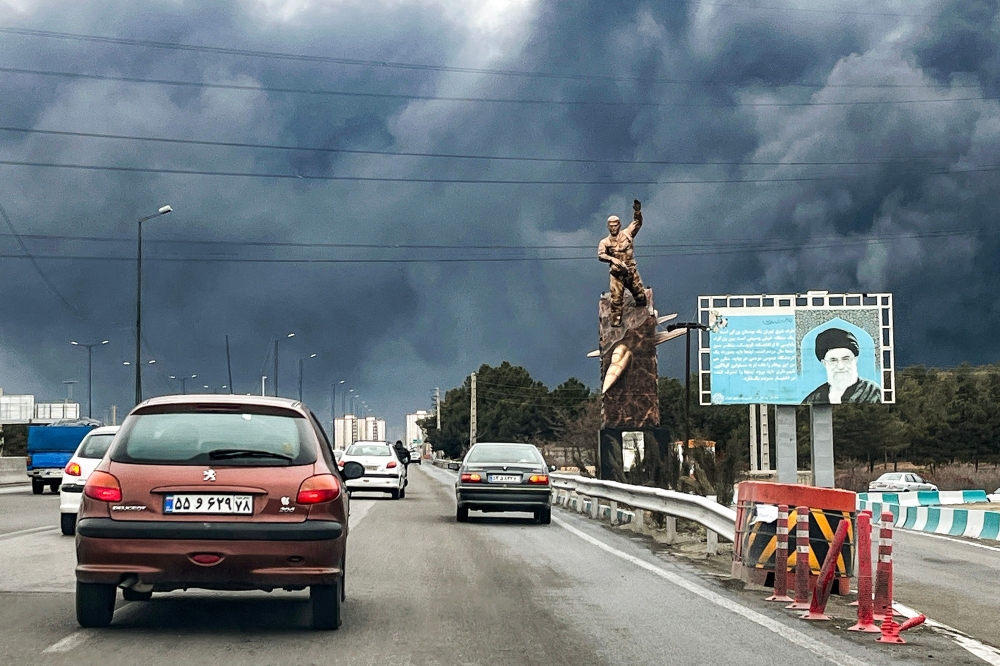
In a dangerous security development reflecting escalating tensions in the Middle East, media reports indicate that US and Israeli airstrikes targeted several strategic sites and residential areas in Iran, including the capital, Tehran, in the early hours of Wednesday. This sudden escalation raises numerous questions about the future of stability in the region.
According to local media reports, the attacks were not limited to the capital but extended to multiple locations in various provinces. Lorestan province and the city of Hamadan, located in the western part of the country, were subjected to intense airstrikes. The bombing also targeted Fars province in the south, indicating a wide geographical scope of the military operations.
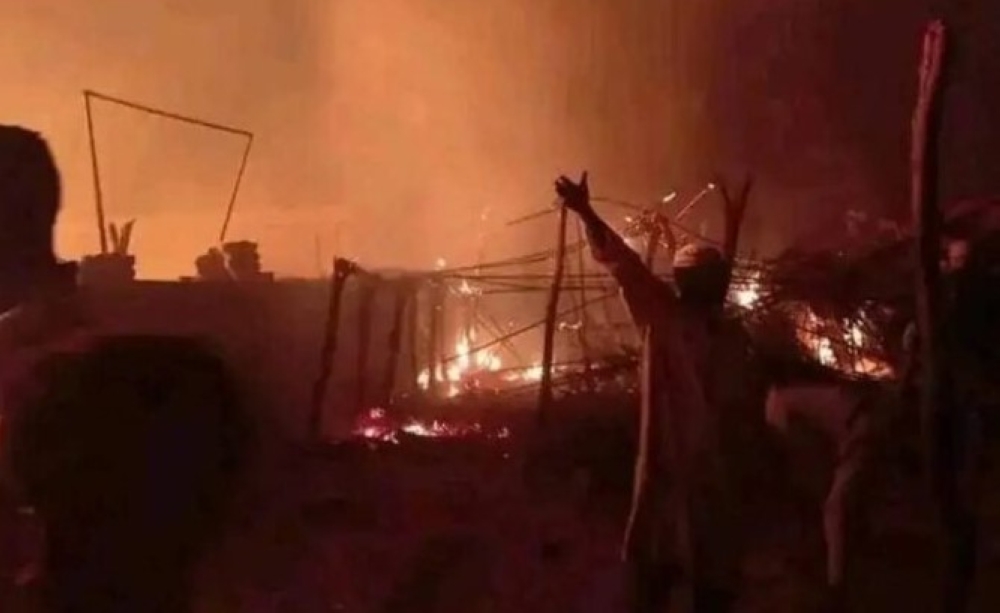
Regarding casualties and material damage, the Tasnim News Agency reported that seven people were killed and 56 others were injured, some seriously, in what it described as an “American-Zionist attack” targeting residential areas in the city of Dorud, Lorestan Province. Meanwhile, the Mizan website, affiliated with the Iranian judiciary, confirmed that airstrikes directly targeted a judicial building in Fars Province, causing extensive damage.
The roots of the ongoing tension between Tehran, Washington, and Tel Aviv
To understand the broader context of these events, one must consider the long history of indirect conflict and shadow warfare that has been raging for decades. Deep disagreements over Iran’s nuclear program have long been a focal point of international tensions, with Israel and the United States seeking to prevent Tehran from acquiring nuclear weapons capabilities. Furthermore, Iran’s continued support for armed factions in the region, known as the “Axis of Resistance,” poses a strategic threat to American and Israeli interests.
Historically, relations between the three parties have been marked by a series of covert operations, cyberattacks such as the Stuxnet virus, and assassinations targeting Iranian nuclear scientists and prominent military leaders. This history has made any direct military confrontation a potential spark that could ignite a wider conflict.
Regional repercussions following US and Israeli airstrikes on Iran
The occurrence of US and Israeli airstrikes on Iran carries serious repercussions that extend far beyond Iran's borders, impacting the entire regional and international landscape. Regionally, this attack raises grave concerns about the outbreak of a full-blown war that could draw in neighboring countries and pro-Iranian factions in countries such as Iraq, Syria, and Lebanon, threatening to shatter the fragile stability of the Middle East.
Internationally, attention immediately turns to global energy markets. Any military escalation within Iranian territory or near the strategic Strait of Hormuz, through which a large portion of the world's oil supply passes, automatically leads to sharp fluctuations in oil and gas prices, casting a shadow over a global economy already reeling from successive crises. The United Nations and major European powers typically rush to call for restraint and the avoidance of mutual military escalation.
Strategic importance of the targeted sites
The choice of targets in western and southern Iran was not arbitrary. Provinces such as Hamadan, Lorestan, and Fars contain vital infrastructure, military bases, and facilities linked to Iran’s aerospace programs. Striking these areas was primarily intended to send a strong deterrent message and weaken the logistical and military capabilities that Tehran might use in any potential retaliatory action.