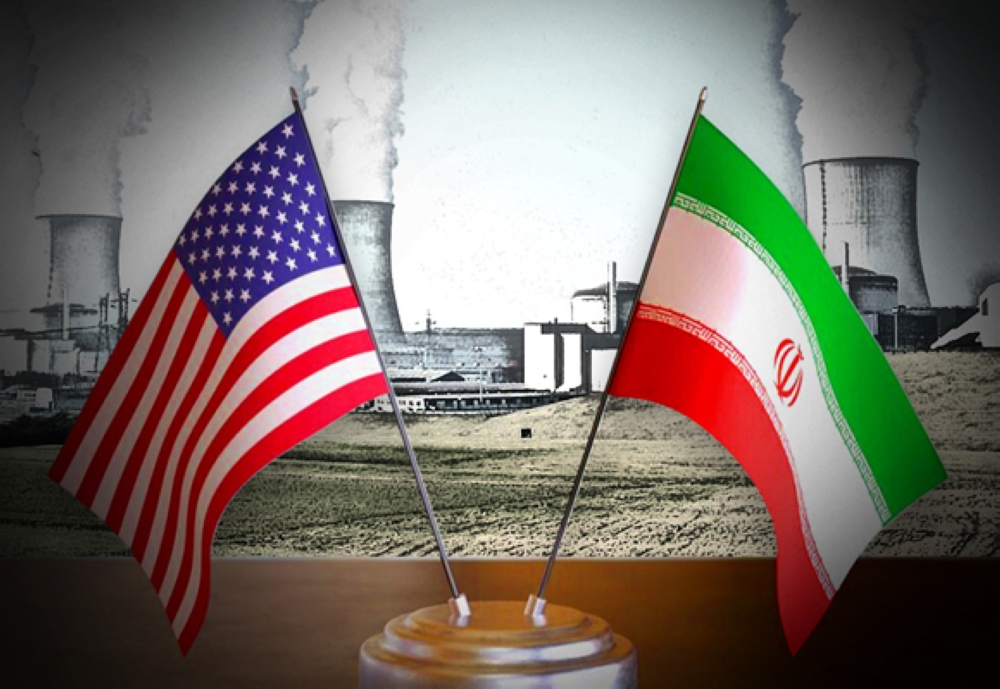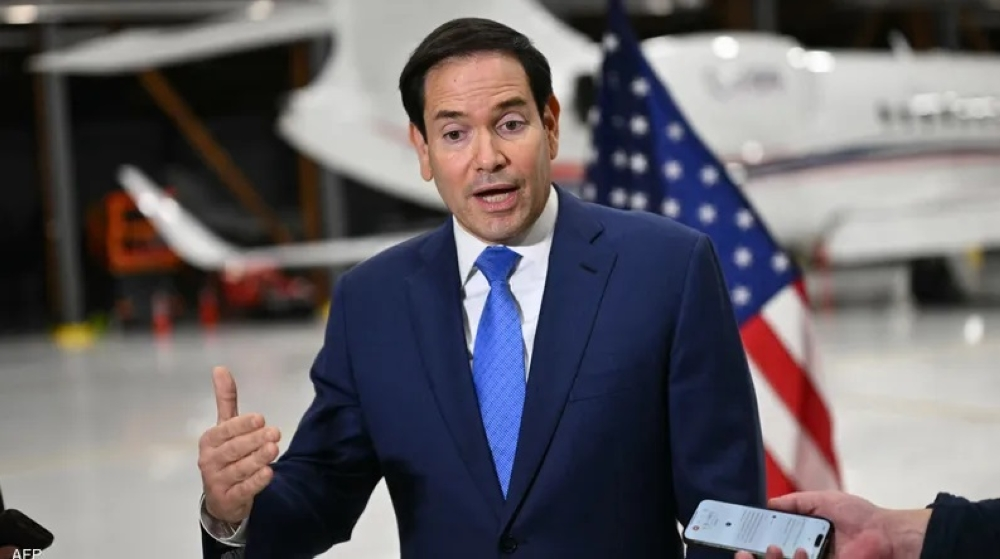
Prominent US Senator Marco Rubio affirmed the United States' readiness to enter into direct talks with Iran, but he set clear and decisive conditions to ensure the viability of these negotiations, stressing that any dialogue must go beyond the nuclear issue to include Iran's ballistic missile program and its regional activities.
In a press statement, Rubio said, “If the Iranians want to meet, we are ready.” He added, “For talks to produce tangible results, they must include specific items, such as the range of their ballistic missiles, their support for organizations designated as terrorist by Washington in the region, their nuclear program, and their treatment of their own people.”.
Background to the tension: From the nuclear agreement to the policy of maximum pressure
These statements come amid escalating tensions between Washington and Tehran, tensions that have their roots in the aftermath of the signing of the Joint Comprehensive Plan of Action (JCPOA), commonly known as the Iran nuclear deal, in 2015. This agreement, concluded between Iran and the P5+1 group, focused primarily on restricting Iran's nuclear capabilities in exchange for lifting economic sanctions. However, the agreement faced widespread criticism within the United States, particularly from Republicans like Rubio, who argued that it ignored other threats, most notably Iran's development of its ballistic missile program and its interference in the affairs of other countries in the region.
Tensions reached their peak with former President Donald Trump’s 2018 decision to unilaterally withdraw from the nuclear agreement and reimpose harsh economic sanctions as part of a strategy he called the “maximum pressure campaign,” aimed at forcing Tehran back to the negotiating table to reach a new, more comprehensive agreement.
The importance of conversations and their potential impact
Rubio’s call for comprehensive talks carries significant weight both regionally and internationally. From the perspective of the United States and its Middle Eastern allies, such as Israel and Saudi Arabia, Iran’s missile program poses a direct threat to their security. Furthermore, Iranian support for armed groups in countries like Lebanon, Syria, Iraq, and Yemen is considered a major destabilizing factor in the region. Therefore, any future agreement that fails to address these issues will be seen as incomplete and insufficient to guarantee long-term security.
On the other hand, Iran has consistently maintained that its missile program is defensive and non-negotiable, deeming it essential for deterring any external aggression. This rigid stance represents the greatest obstacle to any future negotiations. The success of any potential dialogue will depend on the two sides' ability to find common ground, which seems unlikely given the deep mistrust between them.
Expected negotiations in the Sultanate of Oman
Despite the hardline rhetoric, diplomatic channels remained open, with Iranian media reports indicating that talks might be held in Oman, which has historically played the role of a neutral mediator between Tehran and Washington. Rubio explained that the US envoy was prepared to meet with Iranian officials, reflecting the administration's willingness to explore diplomatic solutions, but on its own terms, ensuring a comprehensive approach to all concerns regarding Iranian policies.