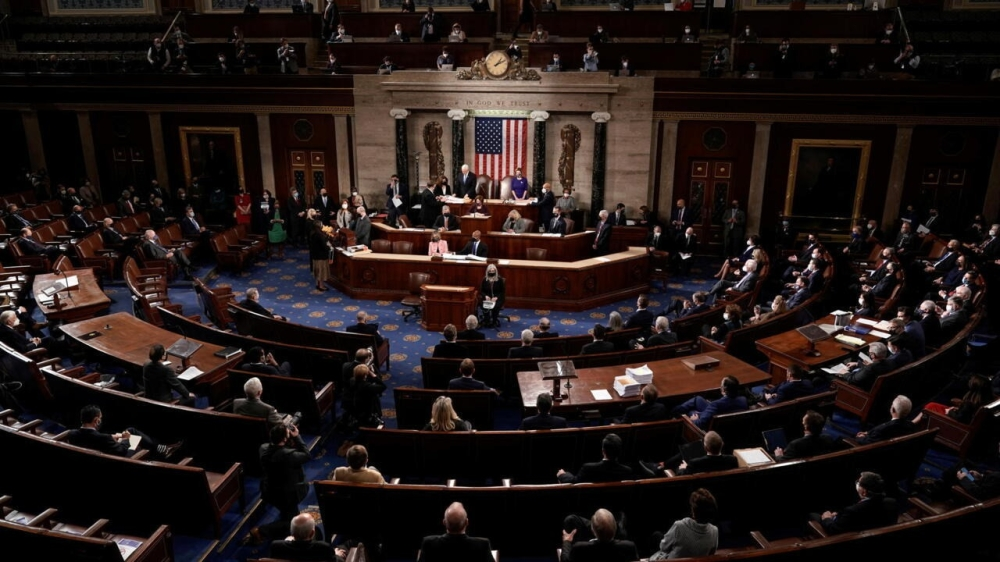
In a significant political move, the US House of Representatives passed a resolution to repeal tariffs imposed by former President Donald Trump's administration on steel and aluminum imports from Canada. This bipartisan vote represents a rare setback for Trump's protectionist "America First" trade policies and reflects deep divisions within Washington over the future of US international trade relations.
Historical background and context of the decision
These tariffs trace their roots back to 2018, when President Trump decided to impose tariffs of 25% on steel and 10% on aluminum imported from most countries worldwide, including close allies such as Canada, Mexico, and the European Union. The Trump administration based its decision on Section 232 of the Trade Expansion Act of 1962, a rarely used provision that allows the president to impose trade restrictions to protect “national security.” This justification sparked widespread controversy, with many, including Canada, considering it a flimsy pretext for targeting trusted trading partners, leading to strained diplomatic relations between the two neighboring countries.
Economic importance and expected impacts
This mini-trade war has had tangible economic repercussions for both sides. Canada immediately retaliated with tariffs on a wide range of American goods, including agricultural and industrial products, hurting American farmers and manufacturers. The American tariffs also increased production costs for American companies that rely on Canadian steel and aluminum, such as the auto and construction industries, ultimately leading to higher prices for consumers. Those who advocate lifting the tariffs argue that this step is essential to repairing relations with a vital trading partner, easing the burden on American industries, and restoring stability to integrated North American supply chains.
Political implications of the move
The House vote carries profound political implications. Domestically, the resolution demonstrates bipartisan opposition to Trump’s trade policies, with several Republican representatives joining their Democratic colleagues in directly challenging the president’s authority. This vote reflects the broader constitutional debate surrounding Congress’s power to shape trade policy versus the executive branch. Internationally, the move sends a message to US allies that there are political forces within America seeking to preserve a rules-based, cooperative global trading system, rather than unilateral confrontations. While the resolution faces a difficult path in the Senate and the possibility of a Trump veto, the vote itself represents a powerful symbolic stance against the administration’s economic policies.