A new funding crisis in Washington
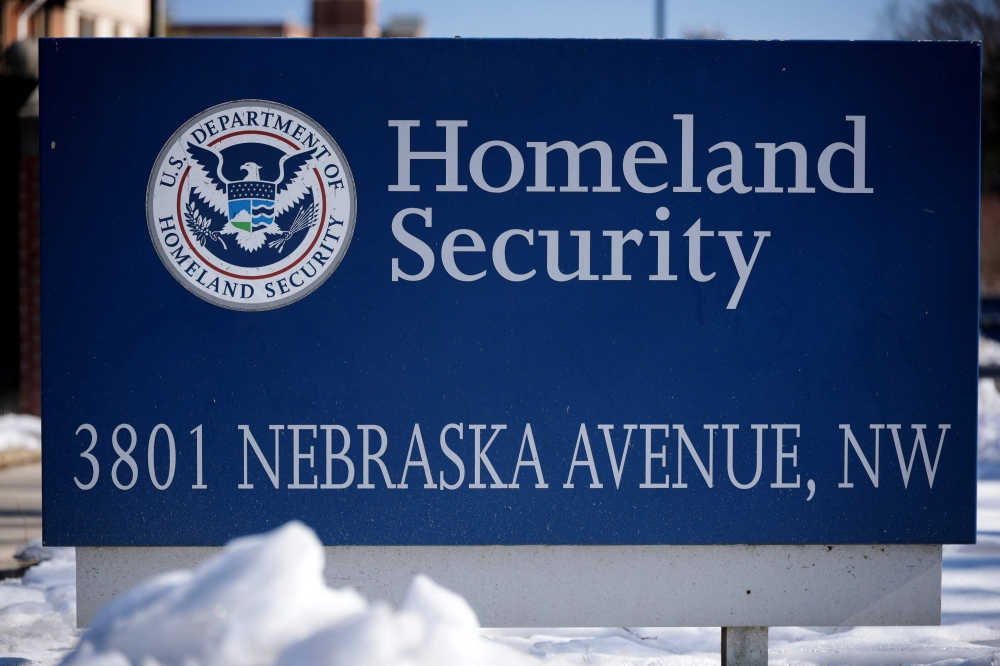
The U.S. Department of Homeland Security (DHS) entered a partial shutdown at the start of the weekend after Congress failed to reach an agreement on funding its operations. This shutdown, which is expected to last for an extended period, threatens to disrupt vital services and affect thousands of federal employees, amid deep political polarization between Democrats and Republicans over immigration and law enforcement policies.
Under the shutdown, thousands of employees whose jobs are deemed “non-essential” will be furloughed without pay, while “essential” employees, such as airport security officers and border patrol agents, will have to continue working without pay until a budget is approved. This measure affects vital agencies within the department, such as the Transportation Security Administration (TSA) and the Federal Emergency Management Agency (FEMA), raising concerns about disaster response and air travel safety.
Historical background and context of the crisis
Government shutdowns are a recurring tool of political pressure in the United States, occurring when Congress fails to pass spending bills necessary to fund government operations. This practice is based on the Anti-Deficiency Act, which prohibits federal agencies from spending funds not allocated to them. Recent decades have seen several high-profile shutdowns, most notably the 2013 shutdown over the Affordable Care Act (Obamacare) and the longest shutdown in the nation's history, lasting 35 days in 2018-2019 over funding for a border wall with Mexico. This current crisis demonstrates the continued deep partisan divide as a major factor in paralyzing the government's ability to perform its essential functions.
The core of the dispute: immigration policies and the role of ICE
The current dispute centers on the practices of Immigration and Customs Enforcement (ICE), a key arm of the Department of Homeland Security. Democrats are demanding stricter controls on the agency's operations, citing what they describe as "violent and unrestrained tactics." Opposition has intensified following several high-profile incidents. House Minority Leader Hakeem Jeffries stated, "Taxpayer dollars should be used to make life easier for the American people, not to torture or kill them." Republicans, however, reject these demands, viewing them as an attempt to "defund the police" and undermine immigration enforcement efforts at the border. White House spokeswoman Carolyn Leavitt accused Democrats of obstructing funding for "purely political and partisan reasons.".
Expected impacts at the local and international levels
The impact of the shutdown extends far beyond federal employees, directly affecting the economy and citizens. The Transportation Security Administration warned that a prolonged shutdown could have “severe consequences” for the aviation industry, including staffing shortages, longer airport queues, and flight delays and cancellations. Economically, the shutdown could slow growth due to reduced spending by affected employees and delays in government contracts. Internationally, the recurring government paralysis in Washington damages the United States’ image as a stable political power and raises questions about its ability to effectively manage its domestic affairs, potentially impacting its relationships with both allies and adversaries.