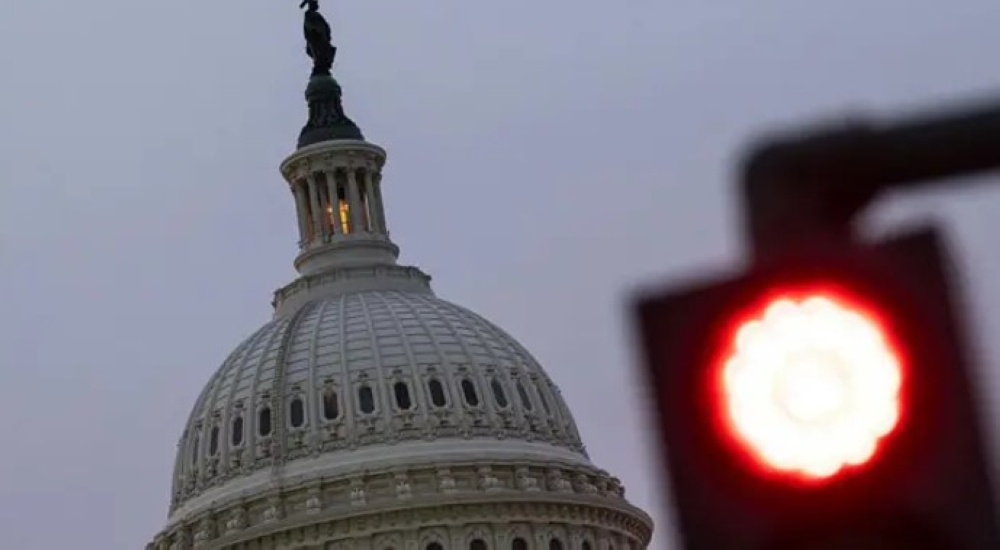
تتجه الأنظار إلى واشنطن حيث يكثف مجلس الشيوخ الأمريكي جهوده لتمرير حزمة ميزانية حاسمة، في محاولة لتفادي شبح الإغلاق الحكومي الجزئي الذي يلوح في الأفق. وتأتي هذه المساعي المحمومة قبل ساعات فقط من الموعد النهائي لتمويل عدد من الوزارات الفيدرالية، مما يضع الإدارة الأمريكية والمشرعين في اختبار حقيقي للتعاون وتجنب شلل مالي قد تكون له عواقب وخيمة.
خلفية الأزمة: نزاع حول ميزانية الأمن الداخلي
يكمن جوهر الخلاف الحالي في تفاصيل ميزانية وزارة الأمن الداخلي، حيث يواجه الاتفاق المبدئي الذي تم التوصل إليه بين البيت الأبيض والقيادات الديمقراطية عقبات كبيرة. يطالب الديمقراطيون بإصلاحات وضوابط إضافية على عمليات إدارة الهجرة والجمارك (ICE)، معتبرين أن ممارساتها الحالية تفتقر إلى الرقابة الكافية. هذا الخلاف يعطل إقرار الميزانية الكاملة، ويهدد بتوقف تمويل وزارات حيوية بعد منتصف ليل الجمعة، مما سيجبر مئات الآلاف من الموظفين الفيدراليين على الحصول على إجازات غير مدفوعة الأجر.
ما هو الإغلاق الحكومي الأمريكي؟ سياق تاريخي
الإغلاق الحكومي ليس ظاهرة جديدة في السياسة الأمريكية، بل هو نتيجة متكررة للانقسامات الحزبية العميقة. يحدث الإغلاق عندما يفشل الكونغرس، المنقسم عادة بين الحزبين الجمهوري والديمقراطي، في إقرار مشاريع قوانين الإنفاق (الميزانية) التي تمول عمليات الحكومة. بدون هذا التمويل، تضطر الوكالات الفيدرالية إلى إيقاف جميع المهام التي تعتبر “غير أساسية”، مما يؤثر على مجموعة واسعة من الخدمات العامة. شهدت الولايات المتحدة عدة إغلاقات حكومية بارزة في العقود الأخيرة، كان أبرزها الإغلاق الطويل في 2018-2019 الذي استمر 35 يومًا، مما يوضح حجم المخاطر السياسية والاقتصادية المترتبة على مثل هذه المواجهات.
التأثيرات المتوقعة: من واشنطن إلى العالم
تمتد تداعيات الإغلاق الحكومي إلى ما هو أبعد من مجرد إزعاج مؤقت. على الصعيد المحلي، يؤدي إلى تعطيل خدمات حيوية مثل معالجة جوازات السفر، وإغلاق المتنزهات الوطنية، وتأخير الأبحاث العلمية. كما أنه يلحق ضرراً بالاقتصاد، حيث يفقد الموظفون الفيدراليون رواتبهم، وتتأثر الشركات المتعاقدة مع الحكومة، وتهتز ثقة المستهلكين والمستثمرين.
أما على الصعيد الدولي، فإن أي شلل حكومي في أكبر اقتصاد في العالم يرسل موجات من عدم اليقين عبر الأسواق المالية العالمية. كما أنه يضعف صورة الولايات المتحدة كشريك دولي موثوق، وقد يؤثر على قدرتها على تنفيذ التزاماتها الخارجية وقيادة المبادرات الدبلوماسية بفعالية.
محاولات الحل ومستقبل غامض
في محاولة لكسر الجمود، أشار الرئيس السابق دونالد ترامب إلى إمكانية التوصل إلى حل وسط قصير الأمد. يقضي المقترح بإقرار خمسة من البنود الستة في مشروع الميزانية بشكل فوري، مع تأجيل النقاش حول ميزانية وزارة الأمن الداخلي المثيرة للجدل لمدة أسبوعين آخرين. وقال ترامب عبر منصته “تروث سوشال”: “الشيء الوحيد الذي يمكن أن يعيق تقدم بلادنا هو إغلاق حكومي جديد طويل ومضر”. يبقى أن نرى ما إذا كان هذا الحل المؤقت سيحظى بقبول كافٍ في الكونغرس لتجنب الإغلاق، أم أن الخلافات الأيديولوجية العميقة ستدفع البلاد مرة أخرى نحو شلل مالي مكلف.