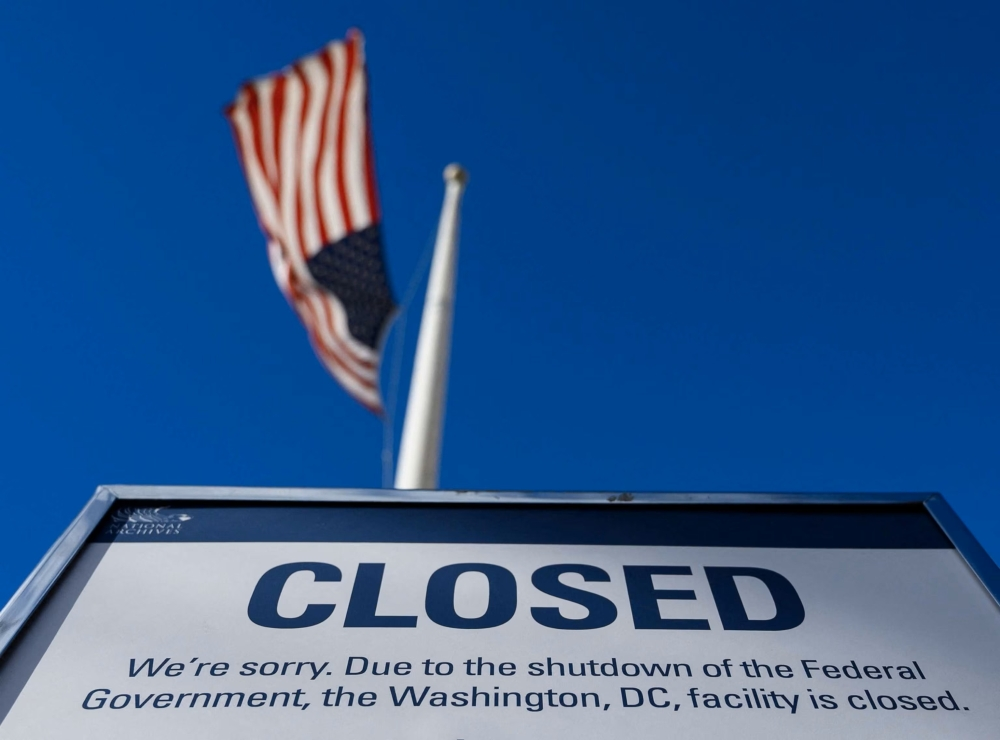
دخلت الحكومة الفيدرالية الأمريكية في حالة إغلاق جزئي مع بداية عطلة نهاية الأسبوع، في مشهد بات مألوفاً يعكس عمق الانقسامات السياسية في واشنطن. وعلى الرغم من التوقعات بتوصل المشرعين إلى حل سريع خلال الأيام القليلة المقبلة، إلا أن هذا الحدث يسلط الضوء مجدداً على التحديات التي تواجه الإدارة الأمريكية في تمرير الميزانيات التشغيلية الأساسية.
خلفية الأزمة الحالية وسياقها التاريخي
يحدث الإغلاق الحكومي، أو ما يُعرف بـ “الشلل المالي”، عندما يفشل الكونغرس الأمريكي في إقرار مشاريع قوانين الإنفاق اللازمة لتمويل عمليات الحكومة. في هذه الحالة، تتوقف جميع الخدمات الحكومية “غير الأساسية”، ويتم إرسال مئات الآلاف من الموظفين الفيدراليين إلى إجازة إجبارية بدون أجر. أما الموظفون “الأساسيون”، مثل العاملين في مجال الأمن القومي ومراقبة الحركة الجوية، فيستمرون في العمل دون الحصول على رواتبهم لحين انتهاء الأزمة.
الأزمة الحالية، التي تأتي بعد أشهر قليلة من أطول إغلاق حكومي في تاريخ الولايات المتحدة (35 يوماً في 2018-2019)، تتمحور حول خلاف بين الحزبين الديمقراطي والجمهوري بشأن تمويل وزارة الأمن الداخلي. ووفقاً للتقارير، يرفض الديمقراطيون الموافقة على الميزانية دون فرض قيود إضافية على سياسات إدارة الهجرة والجمارك (ICE)، خاصة بعد تزايد الجدل حول ممارساتها. هذا الخلاف هو مثال صارخ على استخدام الميزانيات الحكومية كورقة ضغط سياسية لتحقيق أهداف حزبية.
الأهمية والتأثيرات المتوقعة للإغلاق الحكومي
حتى لو كان الإغلاق قصيراً، فإن له تداعيات واسعة النطاق على المستويات المحلية والدولية. فعلى الصعيد المحلي، يتسبب الإغلاق في حالة من عدم اليقين الاقتصادي. يتوقف الموظفون المتأثرون عن الإنفاق، مما يضر بالشركات المحلية والمطاعم والخدمات التي تعتمد عليهم. كما تتأثر الخدمات العامة بشكل مباشر، حيث تُغلق المتنزهات الوطنية والمتاحف، وقد تتباطأ إجراءات الحصول على جوازات السفر أو الموافقات على القروض الفيدرالية، مما يعطل حياة المواطنين اليومية.
أما على الصعيد الاقتصادي الأوسع، فقد حذّر محللون من أن كل أسبوع من الإغلاق يكلف الاقتصاد الأمريكي مليارات الدولارات في صورة إنتاجية مفقودة وتراجع في ثقة المستهلك. وعلى المستوى الدولي، يبعث تكرار الإغلاقات الحكومية برسالة سلبية حول استقرار النظام السياسي الأمريكي وقدرته على إدارة شؤونه الداخلية، مما قد يؤثر على ثقة الحلفاء والمستثمرين الدوليين في الاقتصاد الأكبر في العالم. وبينما يترقب الجميع تصويت مجلس النواب يوم الاثنين كطوق نجاة محتمل، يبقى السؤال الأكبر حول قدرة النظام السياسي الأمريكي على تجنب هذه الأزمات المتكررة في المستقبل.