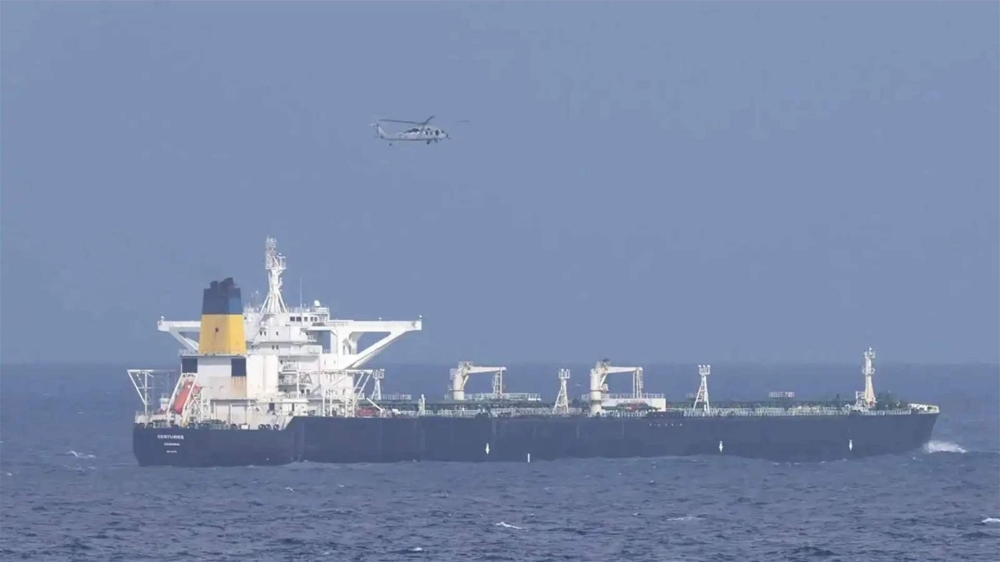
The US Department of Defense (Pentagon) announced that its forces seized an oil tanker in the Indian Ocean after a lengthy pursuit that began in the Caribbean Sea. According to the Pentagon statement, the Panamanian-flagged tanker, the Veronica 3, attempted to violate sanctions imposed by the previous US administration under President Donald Trump by fleeing the restricted area.
The statement said that US forces pursued the ship across vast distances, from the Caribbean Sea to the Indian Ocean, where they managed to close the gap and halt its movements in preparation for intercepting and boarding it. This operation highlights the global reach the United States can employ to implement its policies and impose its economic sanctions.
The general context of US sanctions policy
Economic sanctions are a key tool of U.S. foreign policy, used to pressure countries and entities deemed a threat to its national security or interests. The U.S. Treasury Department, through its Office of Foreign Assets Control (OFAC), administers and implements these sanctions, which target vital sectors such as energy and finance, with the aim of influencing the behavior of targeted governments.
Historically, Washington has imposed sanctions on countries like Iran, Venezuela, and North Korea, specifically targeting their oil exports, which constitute their primary source of income. These sanctions are often extraterritorial in nature, meaning they are not limited to US companies but extend to any international entity that deals with those subject to the sanctions, thus giving them a broad global impact.
The importance of the process and its potential impact
The interception of the tanker Veronica 3 is particularly significant because it demonstrates the resolve and capability of the U.S. military to enforce its decisions on the high seas, regardless of distance. This operation sends a strong deterrent message to companies and individuals who might consider circumventing sanctions, and underscores that U.S. surveillance networks extend across the oceans.
Regionally and internationally, such operations contribute to tightening the economic noose around targeted countries, but at the same time, they can provoke geopolitical tensions with other countries, especially those that rely on oil imports from these sources or that oppose unilateral sanctions. They also place additional pressure on the global maritime shipping sector, which finds itself having to navigate a complex regulatory environment fraught with political and financial risks.