Global markets and investors are focused on Washington today, Wednesday, awaiting the release of the minutes from the Federal Reserve's January meeting. These minutes are of paramount importance as they will provide analysts with deeper insights into the discussions of monetary policymakers, the reasons behind their decision to hold interest rates steady, and, most importantly, clues about the future trajectory of interest rates in the world's largest economy.
Historical context: The Federal Reserve's battle against inflation
This anticipation follows one of the fastest monetary tightening cycles in US history. Since early 2022, the Federal Reserve has embarked on a series of sharp interest rate hikes to curb inflation, which had reached a four-decade high, fueled by global supply chain disruptions and massive fiscal stimulus during the COVID-19 pandemic. This tight policy has succeeded in significantly reducing inflation, but it has also raised concerns about a sharp economic slowdown. Now that prices have stabilized somewhat, the market's focus has shifted from "When will the rate hikes stop?" to "When will the rate cuts begin?".
Global and regional importance and influence
The Federal Reserve's decisions don't remain confined to the United States; they resonate globally. Higher interest rates bolster the strength of the US dollar, impacting the cost of imported goods and dollar-denominated debt for many emerging markets. Regionally, the currencies of the Gulf Cooperation Council (GCC) countries, such as the Saudi riyal and the UAE dirham, are pegged to the US dollar, often prompting their central banks to mirror the Fed's decisions to maintain stable monetary policies. Therefore, any hint in today's minutes of a rate cut will directly affect borrowing and investment costs in the region.
Powell's statements and market expectations
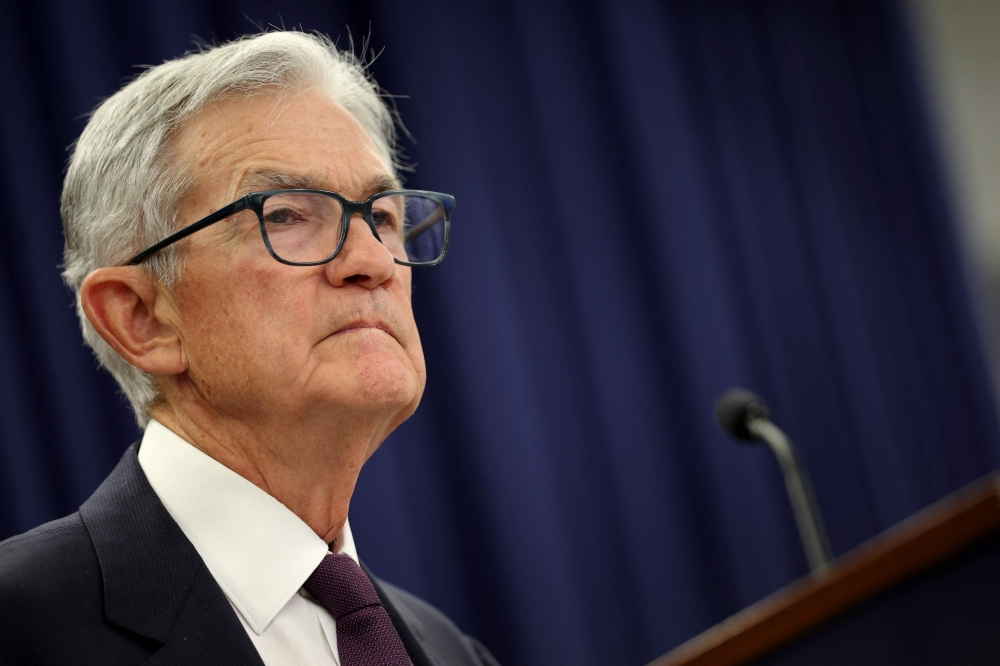
Following the January meeting, Federal Reserve Chairman Jerome Powell stated that the risks to inflation and job growth had diminished, emphasizing that there was broad support within the Federal Open Market Committee (FOMC) to maintain interest rates at their current levels. Powell stressed that future decisions would be entirely dependent on incoming economic data. These remarks, interpreted as cautious, disappointed markets that had anticipated an early rate cut in March, making today's minutes crucial in determining future policy direction.
3 possible scenarios awaiting the markets
Based on the tone revealed in the minutes, markets are considering three main scenarios that will determine asset movements in the coming period:
Scenario 1: Hawkish
If the minutes reveal that Federal Reserve members are concerned about persistent inflationary pressures and are in no hurry to cut interest rates, this will strengthen the US dollar and put pressure on gold prices, which are negatively affected by rising interest rates. Stock markets could also experience sharp volatility as the likelihood of a near-term reduction in borrowing costs diminishes. This is the scenario the markets least want.
Scenario Two: Neutral Position
This is the most likely scenario. If the minutes show that members discussed the possibility of a future interest rate cut but without specifying a clear timetable, emphasizing the need to wait for more positive data on declining inflation, then gold prices may stabilize, while stock markets remain in a wait-and-see mode, moving only in limited numbers based on upcoming economic data.
Scenario 3: A tendency towards monetary easing (Dovish)
If the minutes strongly suggest that interest rate cuts may be imminent, and that a majority of members favor initiating a monetary easing cycle soon to support growth, this scenario would lead to an immediate decline in the value of the dollar, a sharp rise in gold and silver prices, and a significant rally in global stock markets.