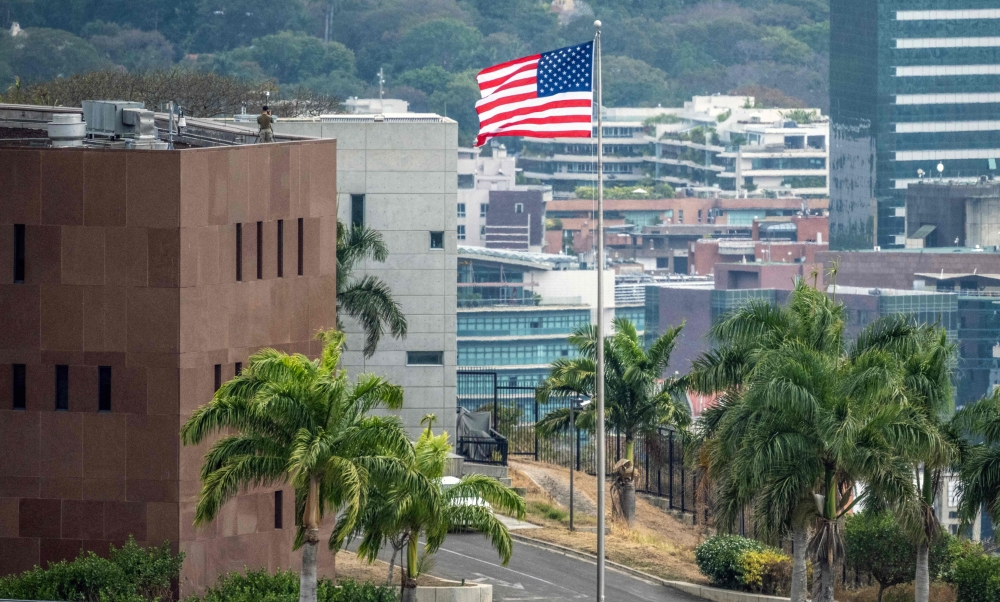
In a significant diplomatic event reflecting profound political shifts, the U.S. flag was raised again at the U.S. Embassy in Venezuela on Saturday for the first time in seven years. This historic step follows dramatic developments, including the intervention of U.S. special forces and the arrest of leftist leader Nicolás Maduro, paving the way for the resumption of diplomatic relations between the two countries. "A new era has begun. We will stand with Venezuela," wrote U.S. Chargé d'Affaires Laura Dugu, the embassy's top diplomat, in a post on the X platform, accompanied by a photo documenting the moment the American flag was raised outside the embassy compound.
The date of the US embassy closure in Venezuela and the diplomatic crisis
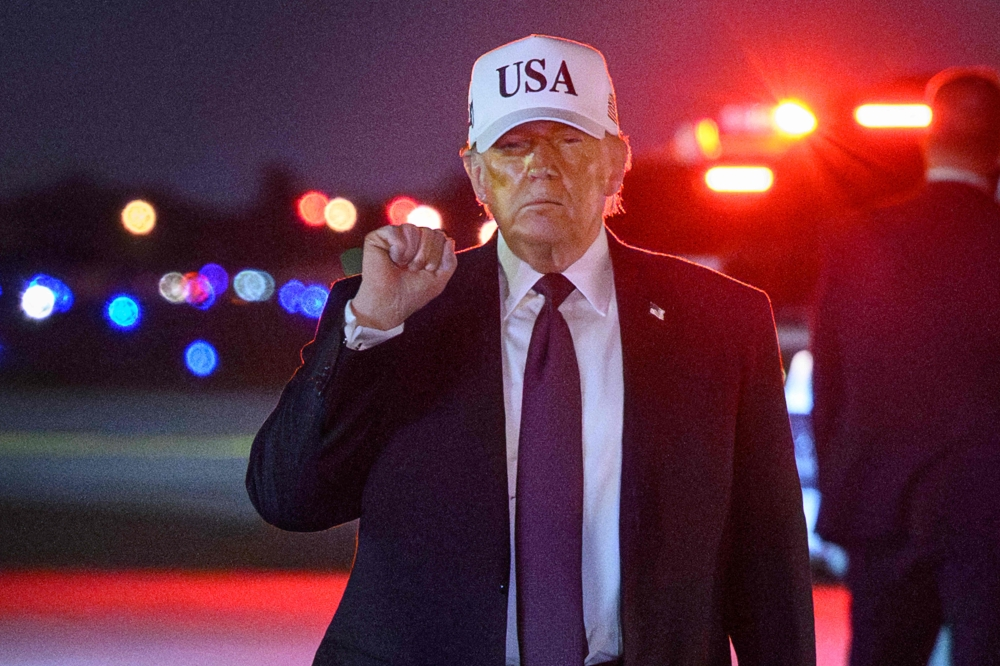
To understand the significance of reopening the US embassy in Venezuela, one must return to the historical roots of the crisis. Tensions began to escalate sharply when Caracas downgraded its relations with Washington after the US administration refused to recognize the legitimacy of Maduro's 2018 re-election, deeming the elections unfair. As a result, the US flag was lowered on March 14, 2019, and the embassy was closed. During this period, the administration of former US President Donald Trump imposed harsh economic and oil sanctions aimed at pressuring the Venezuelan regime, leading to a near-total paralysis of the oil sector, the lifeblood of the Venezuelan economy.
The strategic and economic importance of restoring relations
This diplomatic development carries profound significance that extends far beyond local borders, encompassing broad regional and international implications. Domestically, it marks the beginning of the end of Venezuela's years-long economic isolation, potentially improving living conditions and mitigating the mass migration crisis that has impacted neighboring Latin American countries. Internationally, Venezuela possesses the world's largest proven oil reserves, and the legal and regulated return of its oil to global markets could play a crucial role in stabilizing global energy prices, particularly given current geopolitical tensions. Furthermore, the direct US diplomatic presence restores strategic balance in the region and limits the expansion of other international powers' influence.
Implications of the new political landscape and the future of sanctions
Amid this rapid thaw in relations, the political landscape has undergone radical changes, with recent events resulting in Maduro and his wife being transferred to New York to face trial on drug trafficking charges. In this transitional context, reports indicate that the US administration is now playing a pivotal role in managing the country's vast oil resources to ensure its stability. For her part, Venezuela's interim president, Delcy Rodríguez, has called on Washington to completely and unconditionally lift all sanctions imposed on her country.
In response to these developments, the United States has already begun easing the strict oil embargo that had been in place for seven years. US authorities have issued new licenses allowing several multinational companies to resume operations in Venezuela's energy sector under specific conditions and criteria. These rapid steps not only pave the way for the restoration of diplomatic relations but also outline a new economic and political phase that could reshape the entire face of South America in the coming years.