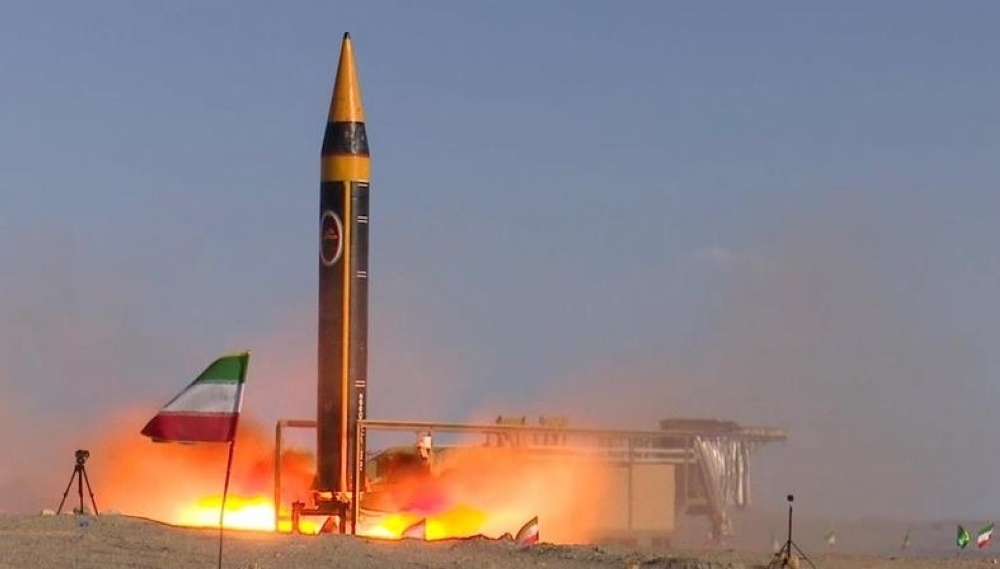
In a development reflecting the continued high tension in the strategic waterways of the Middle East, the US Central Command (CENTCOM) announced that one of its fighter jets shot down an Iranian drone that approached the US aircraft carrier USS Abraham Lincoln in a hostile manner while it was transiting the Arabian Sea.
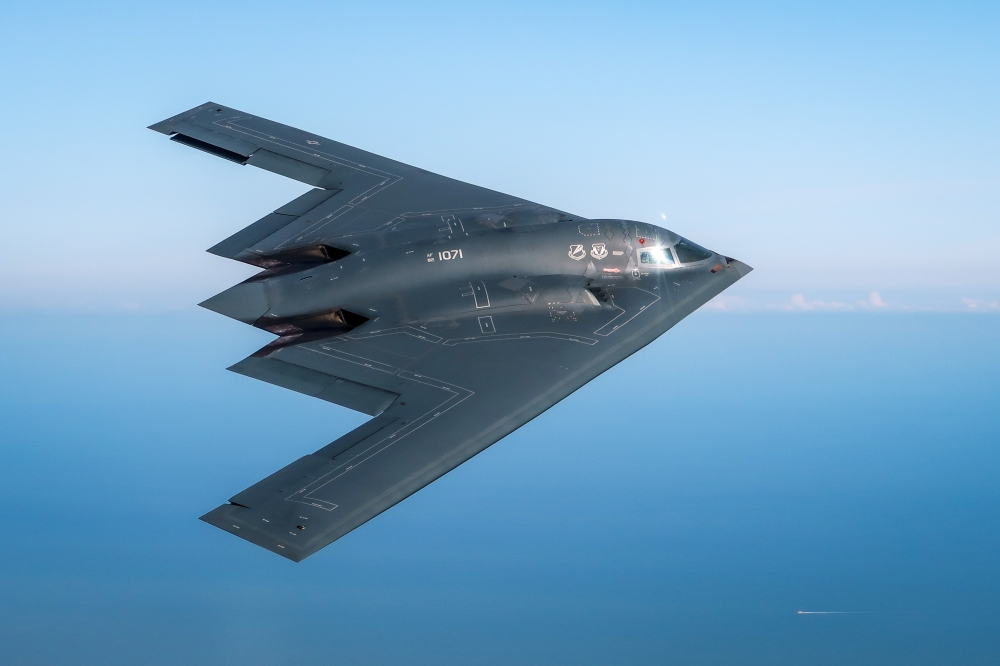
According to an official statement issued by Captain Tim Hawkins, spokesman for U.S. Central Command, an F-35C stealth fighter jet was launched from the aircraft carrier and conducted the interception and downing. The statement emphasized that this action was “purely defensive” and aimed at protecting the safety of the aircraft carrier and its crew from a potential threat, noting that the Iranian drone ignored repeated warnings and continued its approach in a manner described as “unsafe and unprofessional.”.
A context of ongoing tensions
This incident is part of a long series of confrontations and skirmishes between US and Iranian forces in the waters of the Arabian Gulf, the Arabian Sea, and the Strait of Hormuz, a crucial shipping lane for global oil shipments. These tensions have escalated significantly in recent years, particularly after the US withdrawal from the Iran nuclear deal in 2018 and the reimposition of economic sanctions on Tehran.
Among the most notable past incidents was Iran's downing of a sophisticated US Global Hawk reconnaissance drone over the Strait of Hormuz in June 2019, which nearly triggered a direct US military response. There have also been repeated instances of Iranian Revolutionary Guard Corps fast boats approaching US warships in a hostile manner, increasing the risk of miscalculation and direct engagement.
Strategic importance and potential impacts
This incident sends a clear message from Washington that it will not tolerate any threat to its military assets and freedom of navigation in the region. It also highlights the advanced capabilities of the US military, exemplified by the F-35 fifth-generation fighter jets, which are highly effective in countering aerial threats. On the other hand, the incident reflects Iran's growing drone capabilities, which have become a key component of its asymmetric warfare strategy, used for surveillance, reconnaissance, and even direct attacks or attacks carried out through its proxies in the region.
Regionally, this escalation exacerbates instability in an area already plagued by multiple conflicts. The incident could impact commercial shipping and global energy markets, raising concerns about a wider confrontation that could disrupt oil supplies. Internationally, this confrontation comes at a sensitive time, as diplomatic efforts to revive the nuclear agreement remain stalled, and the incident could further complicate negotiations and deepen mistrust between the parties.