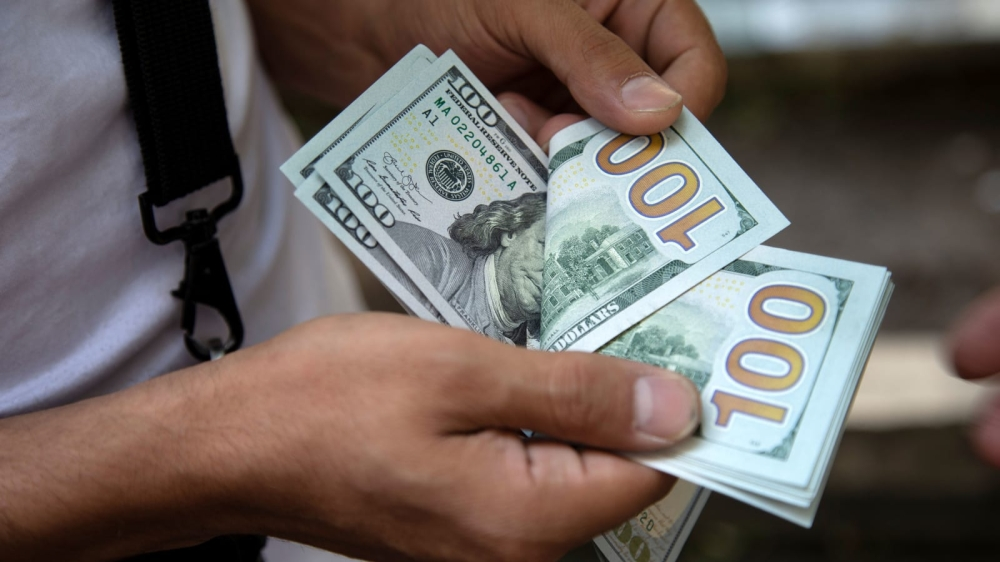
The US dollar recorded a negative milestone in its annual performance at the close of 2025, ending the year with its biggest decline in 8 years, specifically since 2017. The Bloomberg Dollar Index fell by nearly 8% since the beginning of the year, in a strong corrective move that reflects a radical shift in investor sentiment and global market expectations towards the long-dominant greenback.
The end of the era of monetary austerity
This sharp decline is primarily driven by continued downward pressure stemming from the US interest rate cut cycle. With Federal Reserve Chairman Jerome Powell's term nearing its end in May, market uncertainty is intensifying. Investors are now focused on the future trajectory of US monetary policy, particularly given expectations that the incoming administration will appoint someone inclined towards more accommodative monetary policies to support economic growth.
The succession struggle and the new federalist orientations
The race for the next Federal Reserve chair in Washington's monetary policy circles is heating up. Following former President Donald Trump's explicit calls for a lower-interest-rate candidate, markets are pricing in at least two rate cuts next year. Among the leading contenders to succeed Powell are Kevin Hassett, director of the National Economic Council, and Kevin Warsh, a former Fed governor, both seen as potential candidates who might push for a weaker dollar to boost trade competitiveness.
Global monetary policy gap
Adding to the pressure on the dollar is the clear divergence in monetary policies among major economies. While the United States is moving towards lowering interest rates, the European Central Bank is adopting a more conservative stance, keeping euro returns relatively attractive. Conversely, markets are betting on interest rate hikes in economies such as Canada, Sweden, and Australia, creating an unfavorable environment for the US dollar as a high-yield investment vehicle and prompting capital to migrate towards currencies offering better returns.
Expected economic impacts
This decline in the dollar's value has broad economic implications. Domestically, a weaker dollar could boost US exports by making them cheaper for foreign buyers, thus supporting the manufacturing sector. However, it also increases the cost of imports and travel for Americans. Globally, the dollar's depreciation offers some relief to emerging economies that have long struggled with the cost of dollar-denominated debt, potentially reshaping the landscape of global investment flows in the coming year.