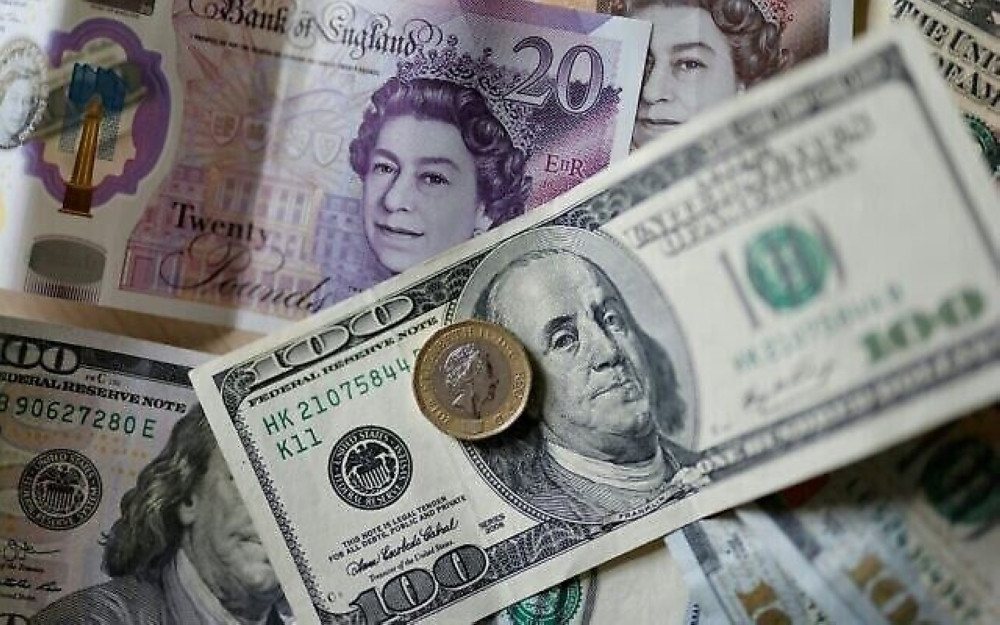
The US dollar is under increasing pressure in global markets, heading for one of its biggest drops in a short period against a basket of major currencies. This decline comes amid a combination of economic and political factors that have prompted investors to reassess their expectations regarding the strength of the US currency, which had prevailed in recent times.
Historical background and context of the current decline
Historically, the dollar's strength stems from its status as the world's primary reserve currency, underpinned by the robust US economy and stable financial markets. Over the past two years, the Federal Reserve's (the US central bank) policy of rapid interest rate hikes to curb inflation has significantly boosted the dollar's appeal. However, current indicators suggest a shift in this policy. With inflation slowing, expectations are growing that the Fed may begin a rate-cutting cycle this year, which would reduce returns on dollar-denominated assets and weaken the dollar's value.
The direct reasons behind the dollar's weakness
The most significant factor currently weighing on the dollar is the growing expectation of at least two US interest rate cuts this year. In contrast, other major central banks, such as the European Central Bank, are maintaining their relatively tight monetary policies or are hesitant to begin easing as quickly, creating a divergence in monetary policy that benefits currencies like the euro and the British pound. Furthermore, trade tensions and tariff policies are contributing to uncertainty, prompting some investors to sell US assets and seek alternative safe havens.
Expected effects on the international scene
A weak dollar has far-reaching implications beyond the United States. Globally, a declining dollar provides relief for emerging economies burdened with massive dollar-denominated debt, as servicing that debt becomes cheaper. Furthermore, commodity prices, such as oil and gold, which are priced in dollars, tend to rise when the dollar weakens, as they become cheaper for buyers using other currencies. Gold has already seen a significant surge to record highs, reflecting investors' search for assets that retain their value during times of volatility.
Financial market performance and the search for alternatives
Given these circumstances, bond markets are experiencing fragility, and volatility remains high. Investors are closely monitoring the performance of US Treasury bonds, which are influenced by interest rate expectations. As for equity markets, despite the strong performance of some global indices driven by the artificial intelligence boom, the weakening dollar could redirect investment flows to markets outside the United States, such as European and Asian markets, which may appear more attractive due to the strength of their local currencies.