في تطور لافت يعكس تحولاً جذرياً في السياسات الدولية تجاه حركات الإسلام السياسي، رحبت المملكة العربية السعودية بالقرار الأمريكي الصادر بتصنيف عدد من فروع جماعة الإخوان المسلمين في مصر والأردن ولبنان كمنظمات إرهابية. هذه الخطوة، التي تأتي في سياق تقاطع الرؤى بين الرياض وواشنطن، لا تمثل مجرد إجراء عقابي، بل تشكل لحظة كاشفة لطبيعة التنظيم الذي طالما أثار الجدل حول أهدافه الحقيقية وعلاقته بالعنف.
السياق التاريخي والتحول الاستراتيجي
لم يكن هذا القرار وليد اللحظة، بل جاء تتويجاً لمسار طويل من الرصد والتحليل لسلوك الجماعة التي تأسست عام 1928. فمنذ نشأتها، اعتمدت الجماعة استراتيجية مزدوجة تجمع بين العمل الدعوي العلني والنشاط السري المسلح، وهو ما تجلى في تأسيس “النظام الخاص” في الأربعينيات. ويأتي التصنيف الأمريكي الأخير ليؤكد القناعة المتزايدة لدى دوائر صنع القرار الغربية بأن الفصل بين الجناح السياسي والجناح الدعوي للجماعة هو فصل وهمي، وأن الأيديولوجيا المؤسسة للتنظيم تشكل الحاضنة الفكرية للعديد من حركات التطرف العنيف حول العالم.
شهادة من الداخل: ثروت الخرباوي يفتح الصندوق الأسود
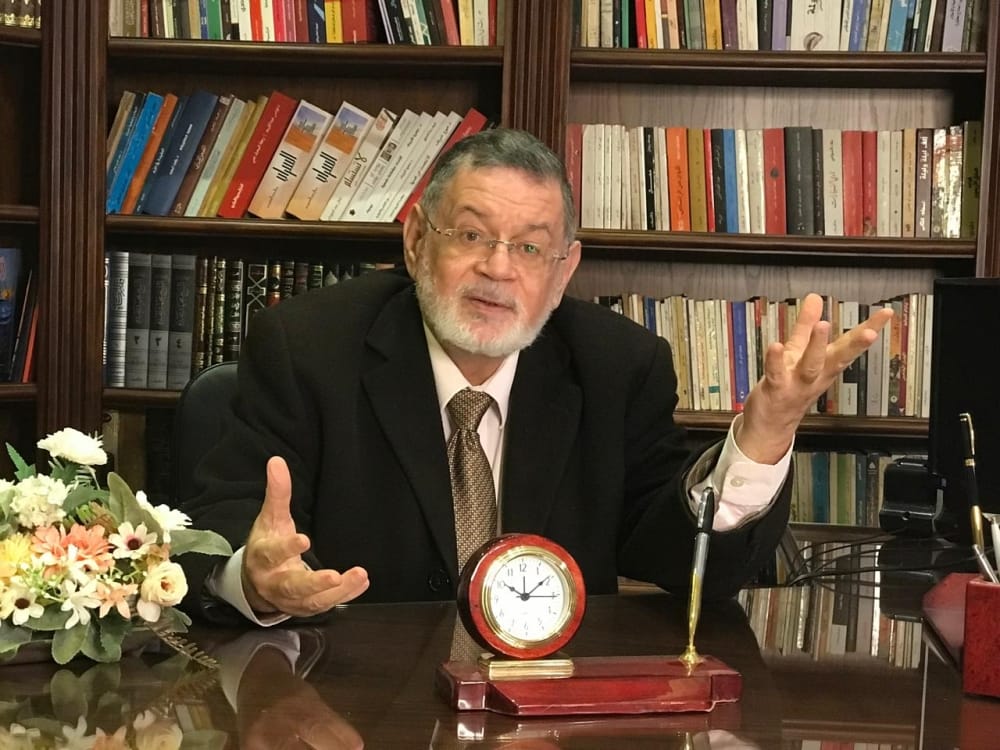
في هذا السياق، تكتسب شهادة القيادي المنشق والمحامي ثروت الخرباوي أهمية استثنائية. الخرباوي، الذي قضى سنوات طويلة في دهاليز التنظيم، يرى أن التصنيف الأمريكي وضع الجماعة أمام تهديد وجودي غير مسبوق. ويؤكد في حواره أن الجماعة تلقت القرار بحالة من “الارتباك الهيكلي”، محاولةً تصدير خطاب “المظلومية” لقواعدها لضمان التماسك الداخلي، بينما تدرس سراً مسارات قانونية للطعن في القرار.
الهيكل السري وازدواجية الخطاب
يكشف الخرباوي عن حقيقة صادمة تتعلق بآلية اتخاذ القرار داخل الجماعة، مؤكداً أن القيادات العلنية (بما في ذلك المرشد أحياناً) ليست سوى واجهة لتصدير صورة مدنية، بينما تدار الأمور فعلياً من قبل “تنظيم خاص” ونخبة ضيقة تتحكم في مفاصل الجماعة وفق منطق السمع والطاعة المطلقة. ويشير إلى أن ازدواجية الخطاب ليست تكتيكاً مؤقتاً بل عقيدة راسخة تندرج تحت ما يسمونه “فقه الاستضعاف” و”فقه التمكين”، مما يبرر استخدام الكذب والخداع السياسي كأدوات مشروعة في صراعهم مع الأنظمة.
الإخوان كـ “مفرخة” للتطرف
من أخطر المحاور التي تطرق إليها الخرباوي هي العلاقة العضوية بين الإخوان والتنظيمات الإرهابية العابرة للحدود. فوفقاً لشهادته، تُعد الجماعة “المفرخة” الرئيسية التي خرجت منها قيادات تنظيمات مثل القاعدة وداعش وجماعة التكفير والهجرة. ويستند هذا الربط إلى المرجعية الفكرية المشتركة المستمدة من كتابات سيد قطب حول “الحاكمية” و”جاهلية المجتمع”، وهي الأفكار التي شكلت الأرضية الشرعية لاستخدام العنف ضد الدولة والمجتمع.
التداعيات المستقبلية: بين التجفيف المالي والذئاب المنفردة
يرسم الخرباوي سيناريوهات قاتمة لمستقبل الجماعة بعد التصنيف، متوقعاً تحولات جذرية في سلوكها:
- التجفيف المالي: سيؤدي التصنيف إلى شلل في النظام المالي للجماعة، مما يدفعها للجوء إلى العملات الرقمية المشفرة ونظام “الحوالة” غير الرسمي للهروب من الرقابة الدولية.
- التحول العنقودي: ستضطر الجماعة لتفتيت هياكلها التنظيمية الكبيرة إلى خلايا عنقودية صغيرة جداً لتفادي الضربات الأمنية.
- خطر العنف: يحذر الخرباوي من أن الضغط الوجودي قد يدفع الجماعة نحو “الكمون الاستراتيجي” وتفعيل “الذئاب المنفردة” لتنفيذ عمليات انتقامية في الغرب، بدلاً من إجراء مراجعات فكرية حقيقية.
رسالة إلى الشباب: احذروا احتكار الدين
يختتم الخرباوي حديثه برسالة مؤثرة للشباب المتعاطف مع الجماعة، محذراً من اختزال الدين في تنظيم سياسي. ويدعوهم إلى التمسك بحقهم في التفكير النقدي وعدم تسليم عقولهم لقيادات تقدس التنظيم على حساب الوطن والدين، مؤكداً أن تجربته أثبتت أن الجماعة تسعى للسلطة تحت غطاء الدعوة، وأن الخروج منها، رغم صعوبته، هو انتصار للضمير والعقل.