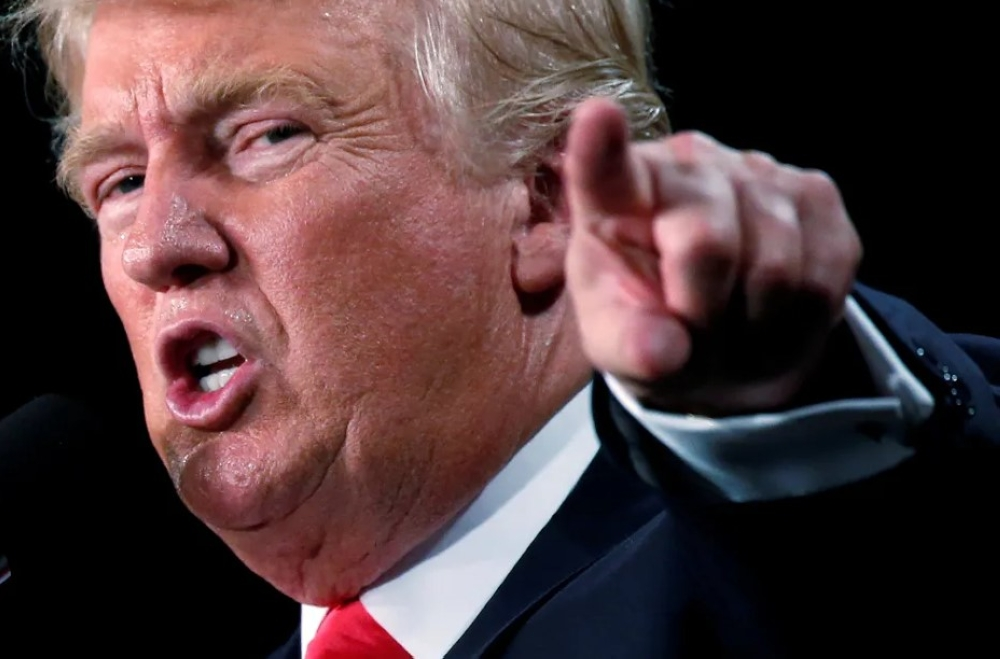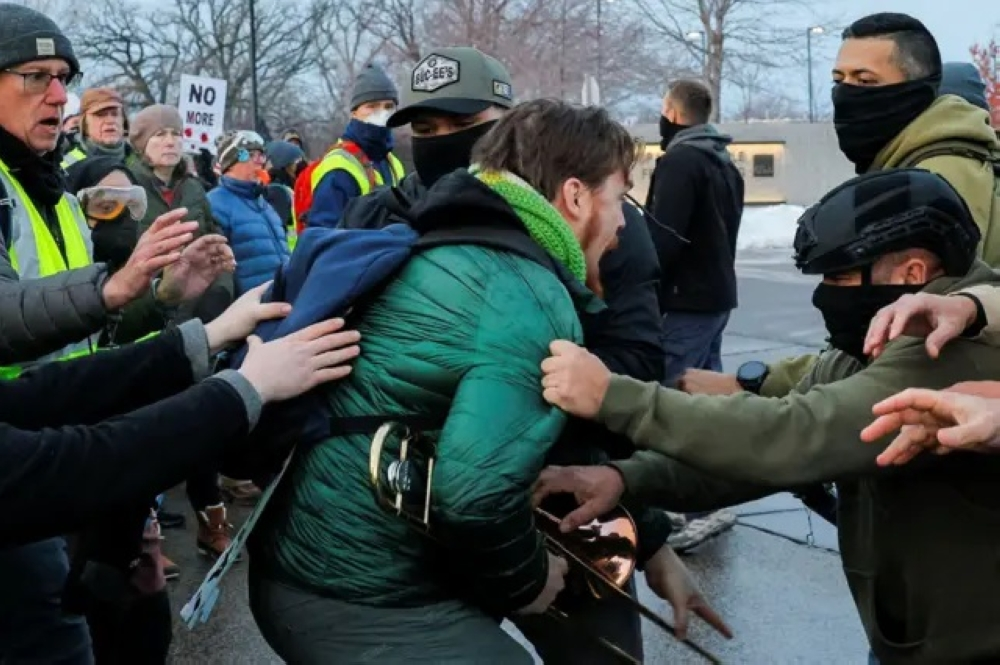
A U.S. federal appeals court on Monday issued a landmark ruling in favor of President Donald Trump's administration, temporarily allowing the continuation of deportations of undocumented immigrants to countries other than their countries of origin, known as "third countries." The decision, passed by a vote of 2-1, overturned a lower court's earlier ruling that had halted the deportations.
Developments in the policy of deporting illegal immigrants in America
The case dates back to last month when Federal Judge Brian Murphy ruled that deportations to third countries were illegal. However, he stayed his ruling to give the U.S. government an opportunity to file a legal challenge. The appeals court granted this challenge, suspending the deportation order and allowing the administration to proceed with its plans pending a final ruling. This decision was widely welcomed by the current administration; Attorney General Pam Bondi described the appeals court's decision as a "decisive victory" for President Trump's border and immigration agenda. Trump had made this issue a cornerstone of his election campaign, promising to take drastic measures to deport millions of undocumented immigrants.
The historical roots and legal trajectory of migration crises
To understand the broader context of this event, it is necessary to examine the historical background of US immigration policy. Dealing with migrants whose countries of origin refuse to accept them has long posed a significant challenge for successive US administrations. In the past, Washington sought to establish “safe haven” or “safe third country” agreements with neighboring countries to address this dilemma. However, as the number of migrants has increased, the current administration has adopted a more stringent approach, deeming the deportation of these individuals to alternative countries an imperative for maintaining national security and enforcing the law, particularly when their countries of origin refuse diplomatic cooperation in their repatriation.
The expected effects of deportation decisions on the global landscape
This legal and political trend carries significant weight and far-reaching implications on several levels. Domestically, this decision strengthens the US administration's position with its voters and underscores its commitment to its campaign promises regarding homeland security. Regionally and internationally, the implementation of these policies places new diplomatic and economic pressure on "third countries" that may find themselves compelled to receive deportees with no ties to them. This trend also raises widespread concerns among international human rights organizations regarding the safety of deportees, a point Judge Murphy addressed in his ruling, recalling that Congress had passed a policy prohibiting the deportation of any person to a country where their life might be endangered or they might be subjected to torture.
Details of those targeted for deportation and current challenges
In the current case, US authorities indicate that the group targeted consists of eight men convicted of violent crimes. This group includes individuals of various nationalities: two from Burma, two from Cuba, and one each from Vietnam, Laos, Mexico, and South Sudan. The US administration has fiercely defended the necessity of deporting them to third countries, given that their countries of origin refuse to accept them. It is worth noting that Judge Murphy, appointed by former President Joe Biden, had previously sought to prevent the deportation of migrants to South Sudan due to the unrest there, but the conservative-majority Supreme Court overturned his decision, reflecting the deep judicial and political divide over how to manage the complex issue of immigration in the United States.