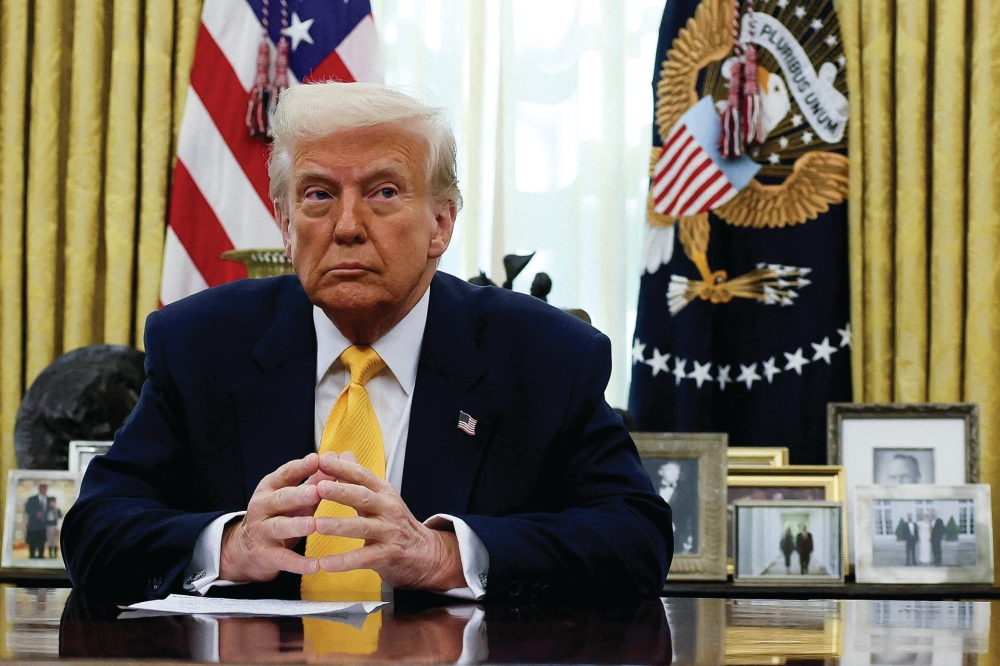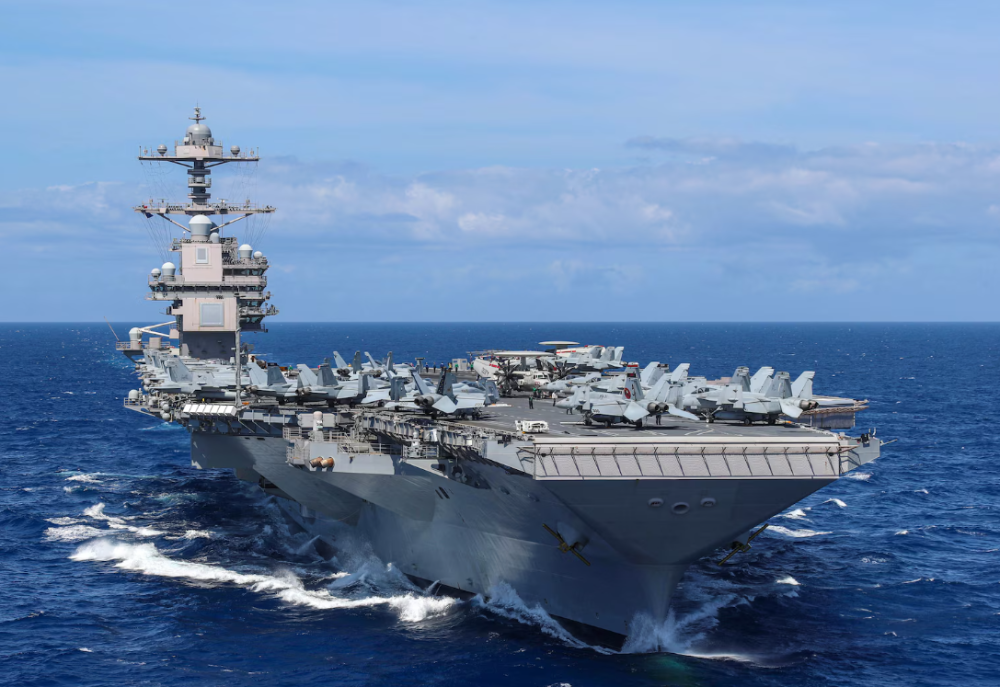
In a move reflecting escalating tensions in the Middle East, the US Department of Defense (Pentagon) has ordered the deployment of a second aircraft carrier strike group to the region, in a clear message of deterrence directed at Iran. This decision comes at a sensitive time as the administration of former President Donald Trump considers its options for dealing with what it describes as “Iranian threats” to its interests and those of its allies in the region.
A historical context of tension
Relations between the United States and Iran have been strained for decades, but they entered a new phase after President Trump’s 2018 decision to withdraw from the 2015 nuclear agreement (Joint Comprehensive Plan of Action). This withdrawal was followed by a “maximum pressure” campaign, including crippling economic sanctions, aimed at forcing Tehran back to the negotiating table to reach a new agreement that would address its missile program and regional policies. In response, Iran began reducing its commitments under the nuclear agreement, further escalating the confrontation.
Details of the military deployment and its importance
According to US media reports, the aircraft carrier USS Gerald R. Ford and its accompanying strike group will join the USS Abraham Lincoln, which was deployed to the Gulf earlier. The deployment of two aircraft carriers to the same area of operations is a significant show of force, as each strike group provides formidable offensive and defensive capabilities, including squadrons of fighter jets, guided-missile warships, and submarines. This military buildup is not only intended to deter any potential Iranian attack but also gives Washington greater flexibility and the ability to launch rapid strikes if necessary.
Expected regional and international impacts
Regionally, this military escalation is viewed with concern and caution. While Washington’s allies in the region, such as Israel and the Gulf states, may see this move as a reaffirmation of the American commitment to their security, others fear that any miscalculation by either side could ignite a wider conflict that would be difficult to contain. This tension also threatens the stability of vital waterways, such as the Strait of Hormuz, through which a significant portion of the world’s oil supply passes. Internationally, European powers, Russia, and China, which remain parties to the nuclear agreement, continue to call for restraint and a return to diplomacy, expressing concern that brinkmanship could undermine efforts to salvage the agreement and further destabilize the entire region.