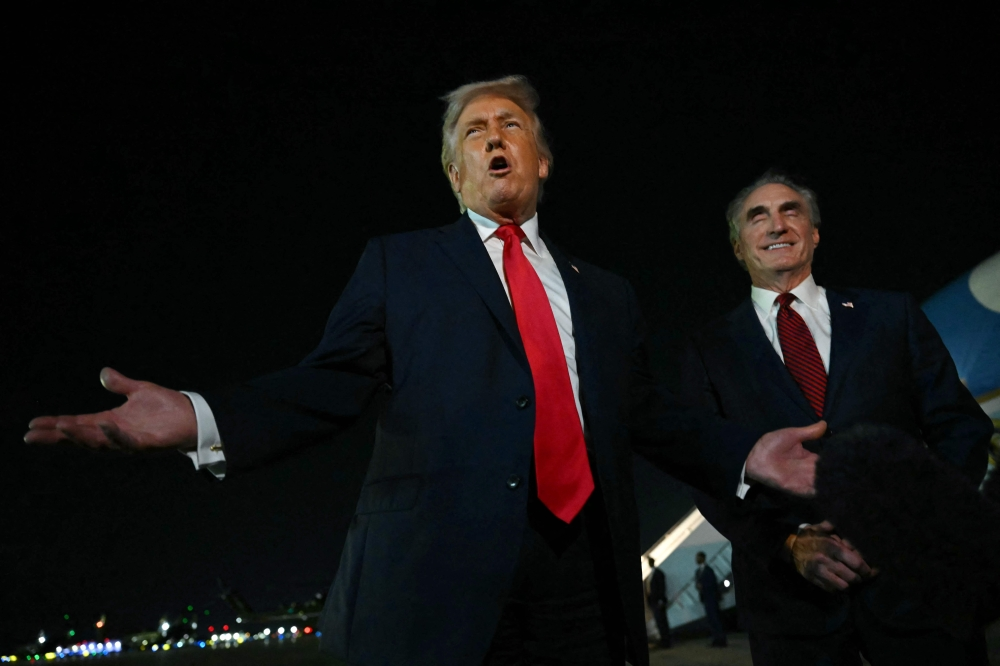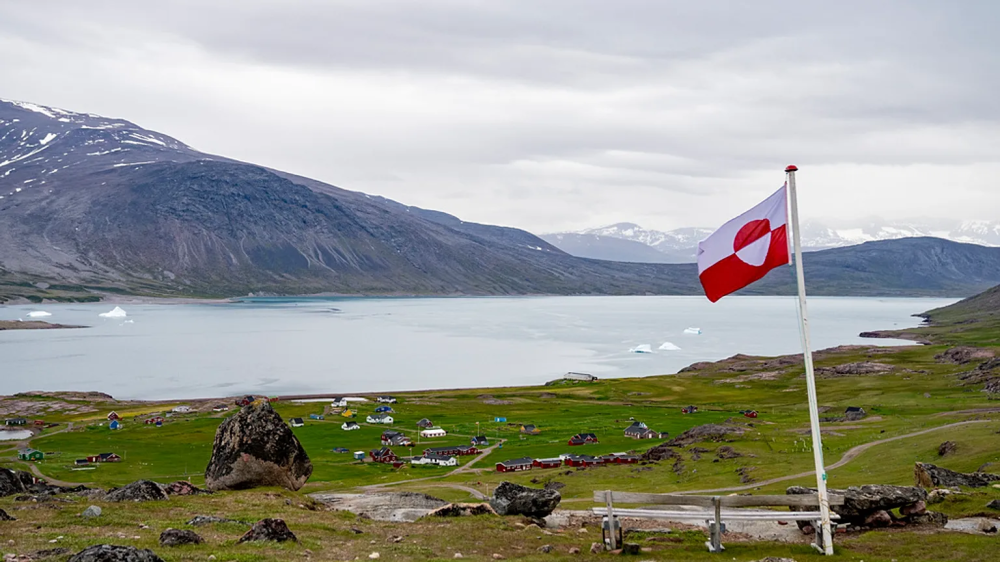
أكد وزير الخارجية الأمريكي، ماركو روبيو، يوم الأربعاء، عزمه عقد اجتماع رسمي مع مسؤولين دنماركيين خلال الأسبوع المقبل، وذلك استجابة لطلب عاجل تقدمت به كوبنهاغن. ويأتي هذا التحرك الدبلوماسي لمناقشة التصريحات المتكررة والتلويح المستمر من قبل الرئيس دونالد ترامب بشأن رغبته في السيطرة على جزيرة غرينلاند، الإقليم الذي يتمتع بحكم ذاتي تحت التاج الدنماركي.
وصرح روبيو للصحفيين بشكل مقتضب وحاسم قائلاً: "سألتقي بهم الأسبوع المقبل"، مما يشير إلى جدية الإدارة الأمريكية في طرح هذا الملف المثير للجدل على طاولة المباحثات، رغم الرفض الأوروبي المسبق للفكرة.
تحرك دبلوماسي وتضامن أوروبي
في سياق متصل، أعلنت فيفيان موتزفيلدت، وزيرة خارجية غرينلاند، أن حكومة بلادها بالتنسيق مع الدنمارك طلبتا هذا الاجتماع العاجل مع روبيو لاستيضاح النوايا الأمريكية ومناقشة التداعيات السياسية لتصريحات ترامب الأخيرة حول ضم الجزيرة القطبية الشمالية. ولم تقف الدول الأوروبية مكتوفة الأيدي تجاه هذه التطورات، حيث أصدرت كل من فرنسا، وألمانيا، وإيطاليا، وبولندا، وإسبانيا، والمملكة المتحدة بياناً مشتركاً أعربت فيه عن دعمها الكامل وغير المشروط للدنمارك في مواجهة المطالبات الأمريكية، مؤكدين على احترام السيادة الوطنية.
كما شدد وزراء خارجية دول الشمال في بيان منفصل على أن أي مسائل تتعلق بمستقبل غرينلاند يجب أن تُحل حصراً بين الدنمارك وشعب غرينلاند، رافضين أي تدخل خارجي يمس بوضع الجزيرة الدستوري.
الأهمية الاستراتيجية والاقتصادية لغرينلاند
لا تنبع رغبة واشنطن في السيطرة على غرينلاند من فراغ، فالجزيرة تتمتع بموقع جيوسياسي بالغ الأهمية في منطقة القطب الشمالي، التي تشهد تنافساً دولياً متزايداً بين القوى العظمى، وتحديداً روسيا والصين. وتستضيف الجزيرة قاعدة "ثول" الجوية الأمريكية، وهي أقصى قاعدة عسكرية للولايات المتحدة في الشمال، وتعتبر حجر الزاوية في نظام الإنذار المبكر الصاروخي والدفاع الفضائي الأمريكي.
علاوة على ذلك، ومع ذوبان الجليد نتيجة التغير المناخي، أصبحت غرينلاند محط أنظار العالم لما تحتويه من ثروات طبيعية هائلة. تشير الدراسات الجيولوجية إلى أن الجزيرة غنية بالمعادن الأرضية النادرة الضرورية للصناعات التكنولوجية الحديثة، والنفط، والغاز، واليورانيوم، مما يجعلها هدفاً اقتصادياً استراتيجياً لتقليل الاعتماد الغربي على الموارد القادمة من منافسين دوليين.
خلفية تاريخية للمطامع الأمريكية
جدير بالذكر أن اهتمام الولايات المتحدة بشراء غرينلاند ليس وليد اللحظة ولا يقتصر على حقبة ترامب فقط. ففي عام 1946، عرض الرئيس الأمريكي هاري ترومان على الدنمارك مبلغ 100 مليون دولار من الذهب لشراء الجزيرة، نظراً لأهميتها العسكرية بعد الحرب العالمية الثانية، لكن العرض قوبل بالرفض. كما سبق للولايات المتحدة أن اشترت جزر الهند الغربية الدنماركية (جزر العذراء الأمريكية حالياً) في عام 1917.
وكان ترامب قد أثار جدلاً واسعاً خلال فترته الرئاسية الأولى عام 2019 عندما طرح فكرة الشراء، وهو ما وصفته رئيسة الوزراء الدنماركية ميتي فريدريكسن حينها بأنه "أمر سخيف"، مما أدى لتوتر دبلوماسي مؤقت وإلغاء زيارة رئاسية. وتجدد الحديث الآن يعيد تسليط الضوء على النظرة الأمريكية للجزيرة كأصل استراتيجي في لعبة النفوذ الدولي.