أعربت الدنمارك عن تفاؤل كبير بعد انطلاق جولة جديدة من المحادثات الفنية مع الولايات المتحدة بشأن جزيرة جرينلاند، في خطوة تمثل تحولاً جذرياً في مسار العلاقات بين البلدين الحليفين بعد فترة من التوتر. ووصف وزير الخارجية الدنماركي، لارس لوك راسموسن، الاجتماع الأول الذي عُقد في واشنطن بأنه “بنّاء للغاية”، مؤكداً أن الأمور عادت إلى مسارها الصحيح.
وقال راسموسن في تصريحات للصحفيين: “لقد حدث تحول كبير. كانت الأمور تتصاعد، لكننا الآن عدنا إلى المسار الصحيح. أنا أكثر تفاؤلاً اليوم مقارنة بما كنت عليه قبل أسبوع”. وأضاف أن اجتماعات جديدة من المقرر عقدها، مما يشير إلى بداية مرحلة جديدة من الحوار الجاد لمعالجة القضايا العالقة، على الرغم من أن الحلول النهائية لم تتبلور بعد.
خلفية تاريخية وسياق التوتر
تأتي هذه المحادثات الإيجابية في أعقاب أزمة دبلوماسية أثارتها إدارة الرئيس الأمريكي السابق دونالد ترامب في عام 2019، عندما عبّر عن رغبته في شراء جرينلاند. قوبل هذا العرض برفض قاطع من كوبنهاجن وحكومة الحكم الذاتي في جرينلاند، التي وصفته رئيسة وزرائها آنذاك بأنه “مناقشة سخيفة”. أدى الخلاف إلى إلغاء ترامب زيارة دولة كانت مقررة إلى الدنمارك، مما ألقى بظلاله على العلاقات بين البلدين وأثار قلقاً داخل حلف شمال الأطلسي (الناتو).
لم تكن فكرة شراء جرينلاند جديدة تماماً، فقد سبق أن عرضت الولايات المتحدة شراء الجزيرة في عام 1946، لكن الأهمية الاستراتيجية للجزيرة ازدادت بشكل كبير في العقود الأخيرة.
الأهمية الاستراتيجية لجرينلاند في القطب الشمالي
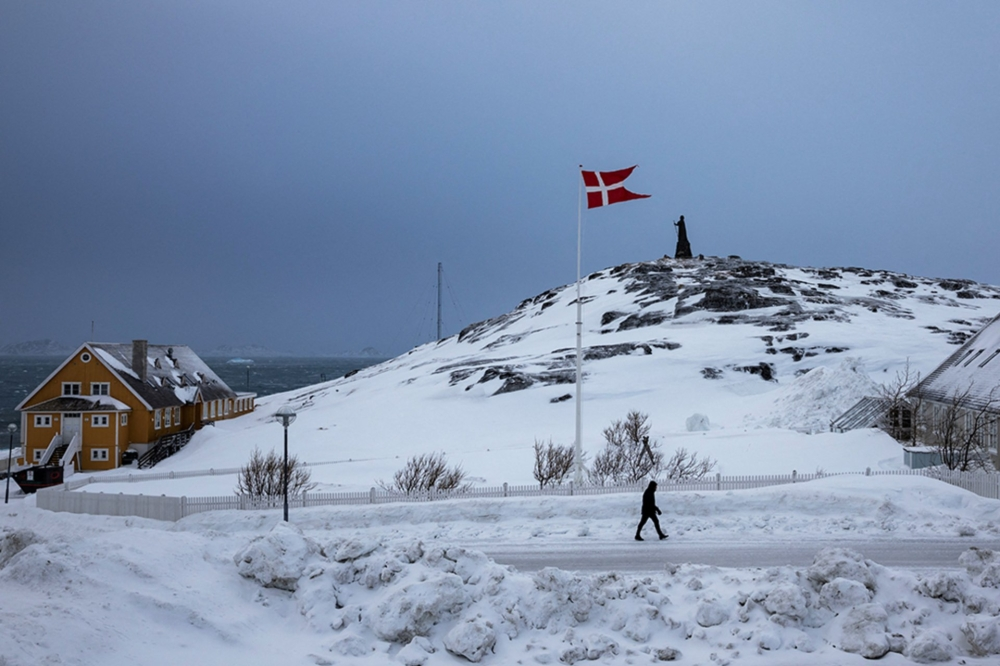
تتمتع جرينلاند، وهي أكبر جزيرة في العالم وإقليم يتمتع بحكم ذاتي ضمن مملكة الدنمارك، بموقع جيوسياسي بالغ الأهمية. فهي تقع بين المحيطين الأطلسي والقطبي الشمالي، وتستضيف قاعدة “بيتوفيك” الفضائية (المعروفة سابقاً بقاعدة ثول الجوية)، وهي منشأة عسكرية أمريكية حيوية لأنظمة الإنذار المبكر والدفاع الصاروخي ومراقبة الفضاء. وتخضع هذه القاعدة لاتفاقية دفاعية موقعة بين البلدين عام 1951، والتي قد تكون محوراً للمفاوضات الحالية لتحديثها بما يتناسب مع التحديات الأمنية المعاصرة.
ومع تسارع وتيرة ذوبان الجليد بسبب تغير المناخ، تبرز أهمية القطب الشمالي كمسرح للتنافس الدولي على الموارد الطبيعية الهائلة (مثل النفط والغاز والمعادن النادرة) وعلى الممرات الملاحية الجديدة التي تختصر المسافات بين آسيا وأوروبا. هذا الواقع الجديد دفع القوى الكبرى، وعلى رأسها روسيا والصين، إلى تعزيز وجودها في المنطقة، مما أثار مخاوف أمنية لدى واشنطن وحلفائها في الناتو.
التأثير المتوقع للمحادثات
تُظهر المحادثات الحالية رغبة مشتركة بين إدارة بايدن والحكومة الدنماركية في تجاوز خلافات الماضي والتركيز على المصالح المشتركة. وأكد راسموسن أن الدنمارك “تتشارك مع الولايات المتحدة مخاوفها الأمنية بشأن القطب الشمالي”، وأنها ترغب في حل هذه القضايا عبر “تعاون وثيق”.
من المتوقع أن تؤدي هذه المفاوضات إلى تعزيز التنسيق العسكري والأمني في المنطقة، وربما زيادة أنشطة حلف الناتو في القطب الشمالي لمواجهة النفوذ الروسي المتزايد. وعلى الصعيدين المحلي والإقليمي، يمكن أن تفتح هذه الشراكة المتجددة آفاقاً اقتصادية جديدة لجرينلاند، مع ضمان احترام سيادتها وحكمها الذاتي، وتثبيت دور الدنمارك كلاعب رئيسي في أمن المنطقة القطبية.