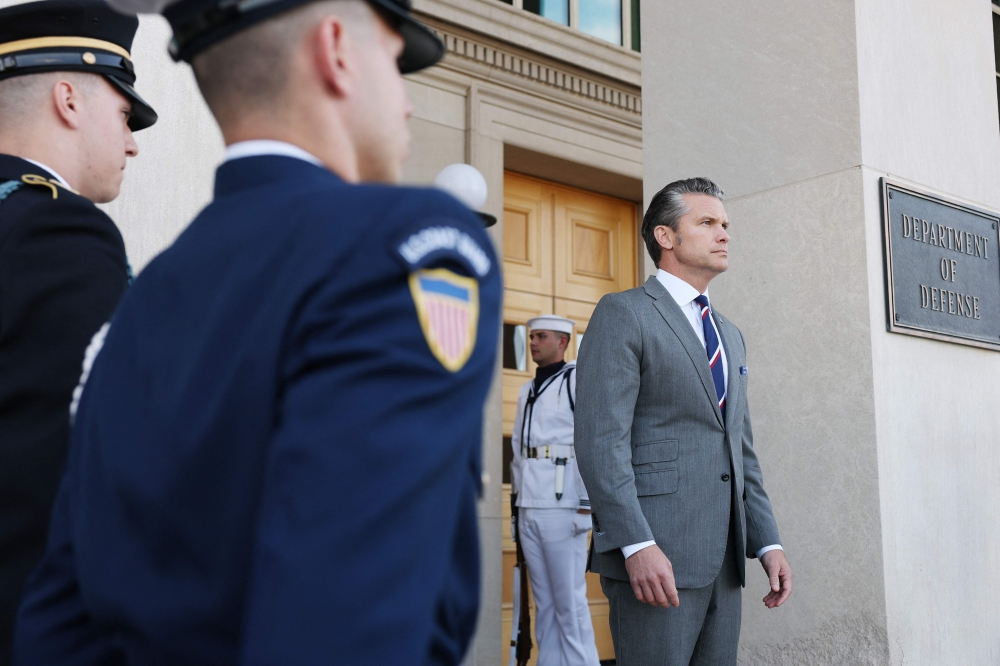
US officials announced that Defense Secretary Lloyd Austin will be unable to attend the NATO defense ministers' meeting scheduled for Brussels due to a recent hospitalization. Despite his absence, the Pentagon confirmed that the United States will be represented at a high level and that Secretary Austin may participate in some sessions via video conference if his health permits, underscoring the continued US commitment to its allies.
Context of the meeting and its strategic importance
This meeting comes at a critical juncture for European and global security. Since its founding in 1949 in response to the Soviet threat following World War II, NATO has been the cornerstone of its members' collective defense. Meetings of defense ministers are a vital platform for coordinating military policies, discussing shared security challenges, and making crucial decisions to strengthen the Alliance's deterrence and defense capabilities. With the ongoing war in Ukraine, this meeting takes on added significance, as allies focus on ways to increase military support for Kyiv, boost ammunition and weapons production, and review defense plans to deter any potential aggression against the Alliance's eastern flank.
The impact of the absence of the US Secretary of State and Washington's commitment
The United States is the largest and most influential military power in NATO, and the presence of its Secretary of Defense sends a strong message about Washington's commitment to the principle of collective defense enshrined in Article 5 of the Alliance's treaty. Therefore, Secretary Austin's absence, even if due to legitimate health reasons, is attracting attention in European capitals. However, the US administration was quick to allay any potential concerns, emphasizing that US policy toward the Alliance remains steadfast and is not affected by the temporary absence of officials. The US delegation is expected to convey clear messages about continued support for Ukraine and fulfillment of security commitments to Europe, ensuring the Alliance's continued operation and cohesion in the face of current challenges.
Expected agenda for the meeting
Several key issues are likely to dominate the agenda of NATO defense ministers. Chief among these is assessing the situation on the ground in Ukraine and coordinating future military assistance. Ministers will also discuss ways to achieve the allies' commitment to spending at least 2% of their GDP on defense, a requirement long emphasized by the United States to ensure a fair sharing of the burden. Additionally, progress in implementing the new regional defense plans adopted at the Vilnius Summit, which aim to strengthen the alliance's ability to defend every inch of its territory, will be reviewed. This focus demonstrates that the absence of a key figure will not disrupt the alliance's institutional functioning or its ability to adapt to contingency situations.