Escalating tension and a firm response
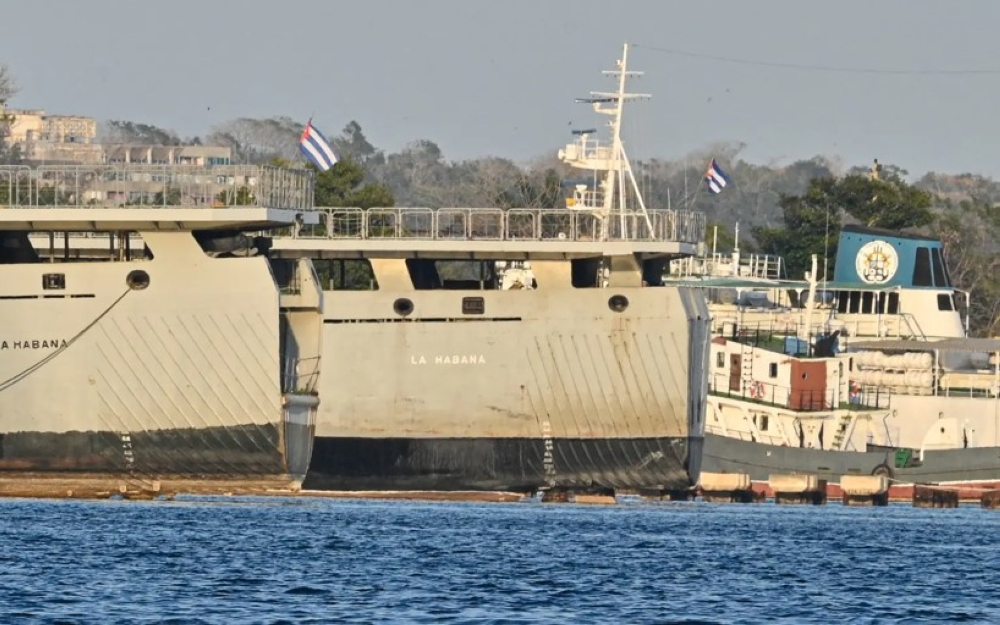
Cuban President Miguel Díaz-Canel declared that his country would respond firmly to any “terrorist attack” targeting its sovereignty, following an armed clash between the Cuban coast guard and a speedboat from the United States. This statement further escalated tensions in the already complex relationship between Havana and Washington, which has been marked by decades of hostility.
The incident occurred when Cuban authorities thwarted an attempt by armed men to infiltrate the island from the US state of Florida. A shootout ensued, resulting in the deaths of four people and injuries to six others aboard the boat. The Interior Ministry in Havana confirmed that those arrested were planning acts of violence for terrorist purposes within the island.
Historical context of hostility
This incident adds a new chapter to the strained relations between the United States and Cuba, which have spanned more than six decades. Since the success of the Cuban Revolution in 1959, led by Fidel Castro, relations between the two countries have been characterized by persistent hostility. This hostility manifested itself in the imposition of a comprehensive US economic embargo on the island, the failed Bay of Pigs invasion in 1961, and the Cuban Missile Crisis of 1962, which nearly triggered a nuclear war. Despite limited attempts at rapprochement during the administration of President Barack Obama, tensions have escalated again in subsequent years. The Cuban-American community in Florida, from which the boat involved in the recent incident departed, plays a pivotal role in shaping US policy toward Havana, as it is considered a historical stronghold of fierce opposition to the Cuban regime.
Importance and potential impacts
The repercussions of this armed clash extend far beyond its immediate borders, casting a shadow at the local, regional, and international levels. Domestically, the Cuban government may exploit the incident to bolster its narrative of an external threat and justify tightening its security grip. Regionally, the incident increases tensions in the Florida Straits, a vital waterway for migration and trade, and could lead to increased patrols and maritime surveillance by both sides. Internationally, this escalation comes at a sensitive time, as the Biden administration has taken limited steps to ease some economic restrictions. Such events could derail any future efforts at dialogue or normalization of relations and provide political ammunition for those opposed to any rapprochement between the two countries.
American investigation and cautious stance
For its part, Washington was quick to respond cautiously to the incident. The US State Department confirmed it was investigating the circumstances and would determine its official position based on the investigation's findings, while simultaneously and categorically denying any involvement of US government personnel in the operation. This stance reflects a desire to avoid a direct escalation that could lead to a wider diplomatic crisis. Such incidents place both countries in a difficult position; while Havana uses them to bolster its narrative of an external threat, Washington finds itself compelled to address the actions of its citizens or residents that violate international law.