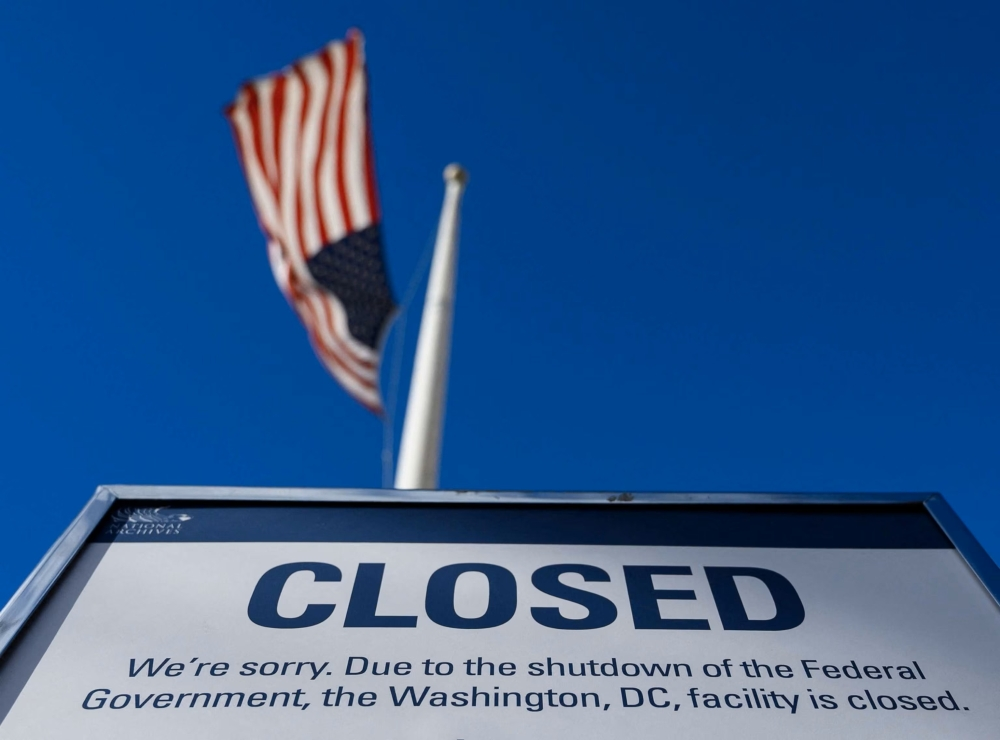
The US Congress ended a three-day partial government shutdown after leaders from both the Democratic and Republican parties reached a temporary agreement paving the way for discussions on contentious immigration issues. Both the Senate and the House of Representatives voted overwhelmingly in favor of a short-term funding bill, allowing federal agencies to reopen and hundreds of thousands of employees to return to work.
President Donald Trump is expected to sign the bill immediately, putting an end to a political gridlock that has gripped Washington and raised questions about the administration's ability to effectively manage the country's affairs.
Background to the crisis: The government shutdown and its causes
A government shutdown in the United States occurs when Congress fails to pass spending bills needed to fund government operations. In this case, the main point of contention was the Deferred Action for Childhood Arrivals (DACA) program, which protects from deportation hundreds of thousands of young immigrants who entered the country illegally as children.
Democrats have insisted that any government funding agreement must include permanent protections for these immigrants, known as “Dreamers.” Republicans, backed by President Trump, have refused to link the fate of the Dreamers to the budget, demanding funding for a wall on the Mexican border and stricter immigration enforcement as preconditions for any settlement.
The importance of the event and its expected impact
Ending the government shutdown has significant implications across various sectors. Domestically, the decision means a return to normalcy for citizens who rely on federal services, from national parks to loan applications and passport issuance. It also alleviates the economic anxiety of federal employees who faced the prospect of not receiving their paychecks.
On the political front, the crisis has exposed the deep partisan divisions in Washington. While the temporary agreement represents a breakthrough, it is merely a short-term solution that postpones the real confrontation. Democrats agreed to fund the government until February 8th in exchange for a promise from Senate Majority Leader Mitch McConnell to allow the immigration issue to be debated and voted on freely. This agreement places significant pressure on both parties to reach a permanent solution within the next few weeks, or the specter of another government shutdown will once again loom over the country.