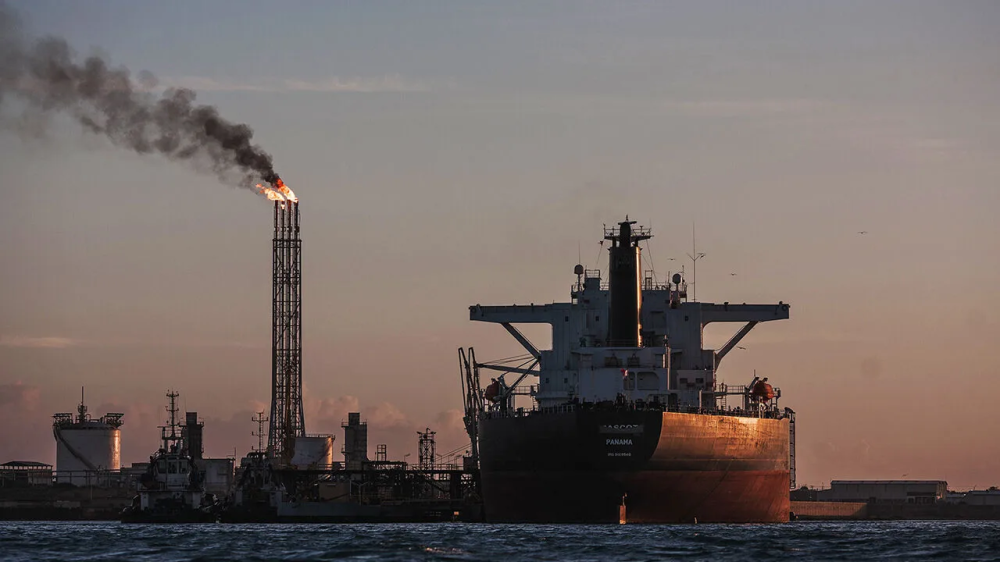
In a move that marks a radical shift in the geopolitical landscape and energy sector in Latin America, the United States has officially completed its first sale of Venezuelan oil. This follows the dramatic developments in Caracas and Washington's assumption of control over this vital sector after the arrest of President Nicolás Maduro. This step opens a new chapter in the handling of Venezuelan assets previously frozen by sanctions.
Details of the multi-million dollar deal
A senior US official revealed to AFP that Washington has successfully completed the sale of a $500 million oil shipment. While the source declined to identify the buyer, he confirmed that this transaction is not an isolated event, but rather paves the way for a series of sales expected in the coming days and weeks, indicating a systematic approach to reducing oil stockpiles under the new US administration.
Historical background: Venezuela and the oil giants
To understand the significance of this event, one must consider the historical and economic context. Venezuela possesses the world's largest proven oil reserves, exceeding 300 billion barrels, most of which are concentrated in the Orinoco Belt. Venezuelan oil, characterized by its high density (heavy crude), has long been a vital component for US Gulf Coast refineries, which are specifically designed to process this type of crude. Political instability and economic sanctions in recent years have led to a sharp decline in production and a near-complete halt to direct exports to the United States, making the resumption of oil flows an event of global economic proportions.
New energy agreement and White House statements
In response to this development, White House spokeswoman Taylor Rogers stated that President Donald Trump reached a “historic agreement” with the new Venezuelan authorities regarding the energy sector immediately after Maduro’s arrest. Rogers emphasized that this agreement was designed to be mutually beneficial to both the American and Venezuelan people, indicating that it would transform natural resources into tangible revenues rather than leaving them hostage to political conflicts.
Returns management mechanism and its expected impact
For his part, President Trump explained that the interim authorities in Venezuela were preparing to deliver between 30 and 50 million barrels of high-quality, previously sanctioned crude oil to the United States. Trump emphasized that this oil would be sold at global market prices, pledging to manage the proceeds as President of the United States to ensure they were used in ways that benefit both nations. In a later clarification regarding the fate of these revenues, he indicated they would be used to purchase American products, thereby strengthening the economic relationship between the two countries and reshaping the region's trade landscape.
Observers believe that pumping these quantities of Venezuelan oil may contribute to stabilizing global energy markets and alleviate the shortage of heavy crude supplies, while raising new questions about the future of the Venezuelan national oil company (PDVSA) and its role under direct US management of sales.